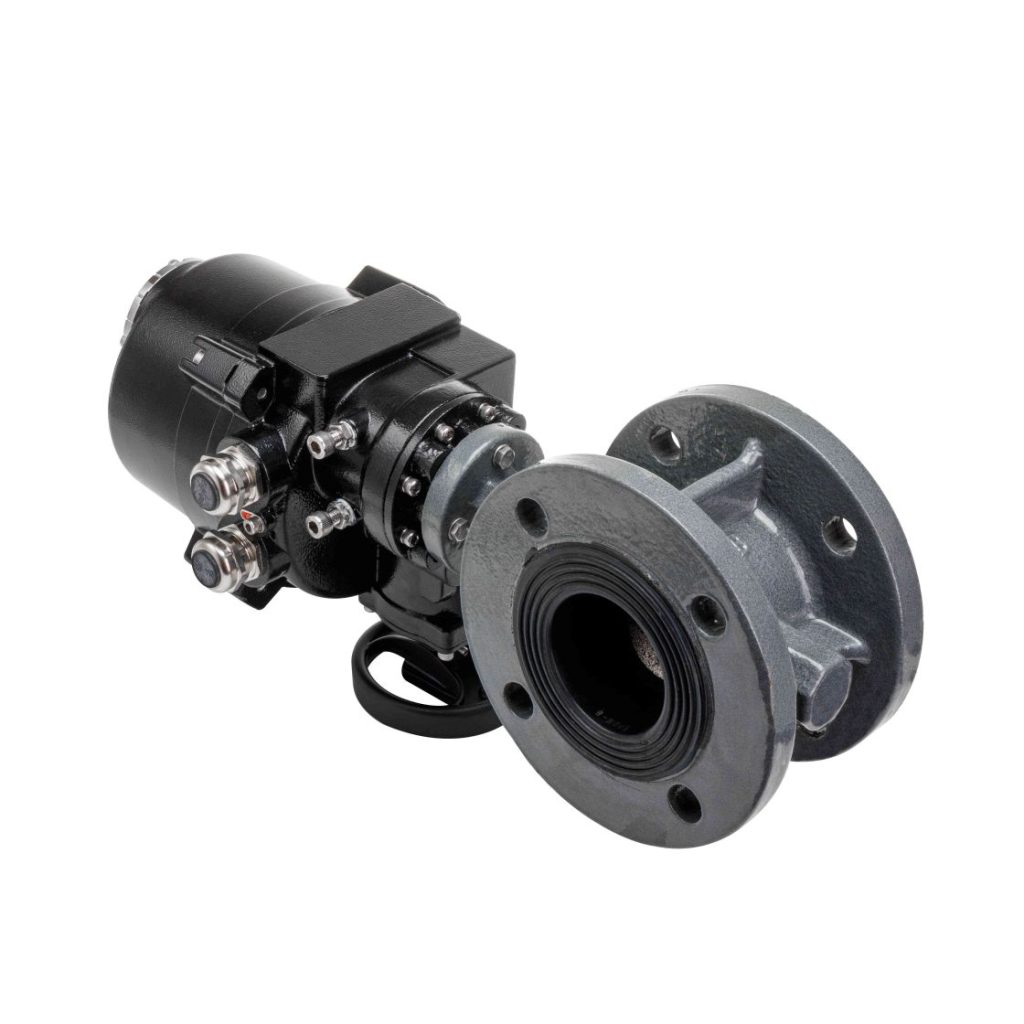
In the ever-evolving maritime industry, the need for high-performance, reliable, and durable equipment is paramount. Among the many critical components used on ships and offshore platforms, the Marine Electric Ball Valve plays a crucial role in controlling the flow of liquids and gases within complex systems. These valves, equipped with electric actuators, are an essential part of the automation systems used to ensure smooth, efficient, and safe operations in marine environments. This article explores the role of marine electric ball valve manufacturers, the features that set them apart, and the key factors to consider when selecting such valves for maritime applications.
Understanding Marine Electric Ball Valves
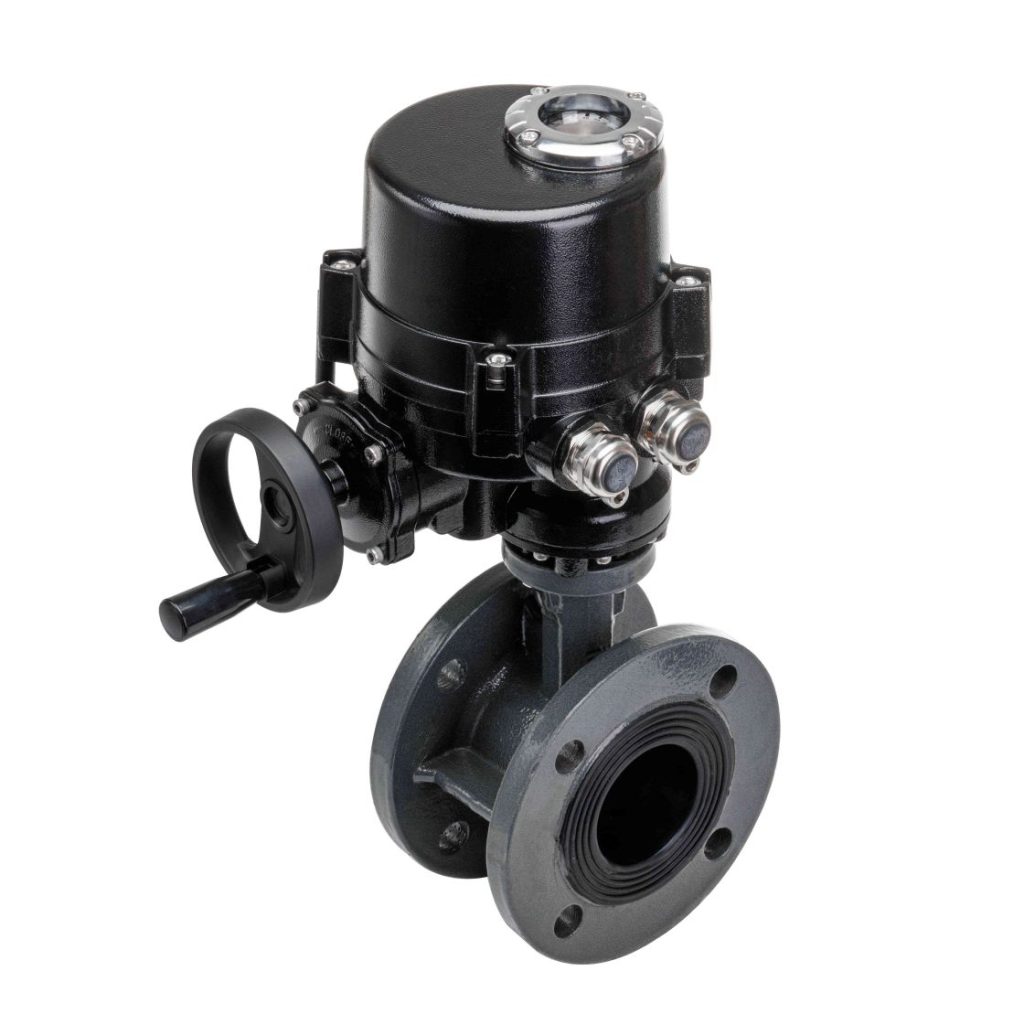
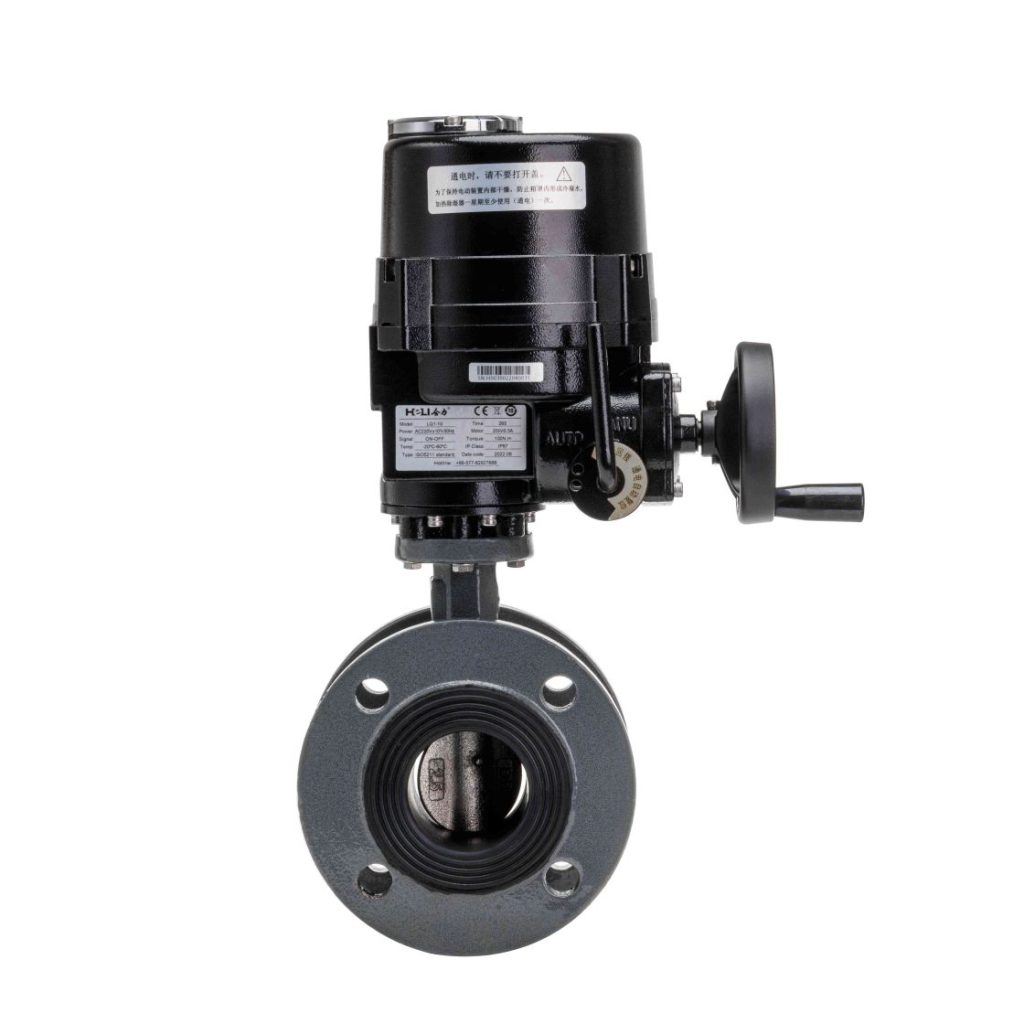
A Marine Electric Ball Valve is a type of valve designed specifically for marine and offshore applications. It consists of a spherical closure element (the ball) that can rotate 90 degrees to either allow or block the flow of fluids through the pipe. What differentiates the marine version of this valve from others is the integration of an electric actuator, which allows for remote or automated control. The electric actuator provides the necessary force to rotate the valve, opening or closing it based on commands from a control system. This is crucial for reducing manual intervention, improving operational efficiency, and enhancing safety, particularly in situations where valves are located in hard-to-reach or hazardous areas.