Lithium-ion batteries have become a cornerstone in various industries, powering everything from electric vehicles to portable electronics. As the demand for these batteries continues to grow, ensuring their safety and efficiency has become paramount. One essential component that plays a crucial role in maintaining battery integrity is the lithium battery valve. These valves are primarily used to manage internal pressure and prevent catastrophic failures. In this article, we will explore the role of a Lithium Battery Valve OEM Manufacturer, the significance of these valves, and their impact on battery safety.
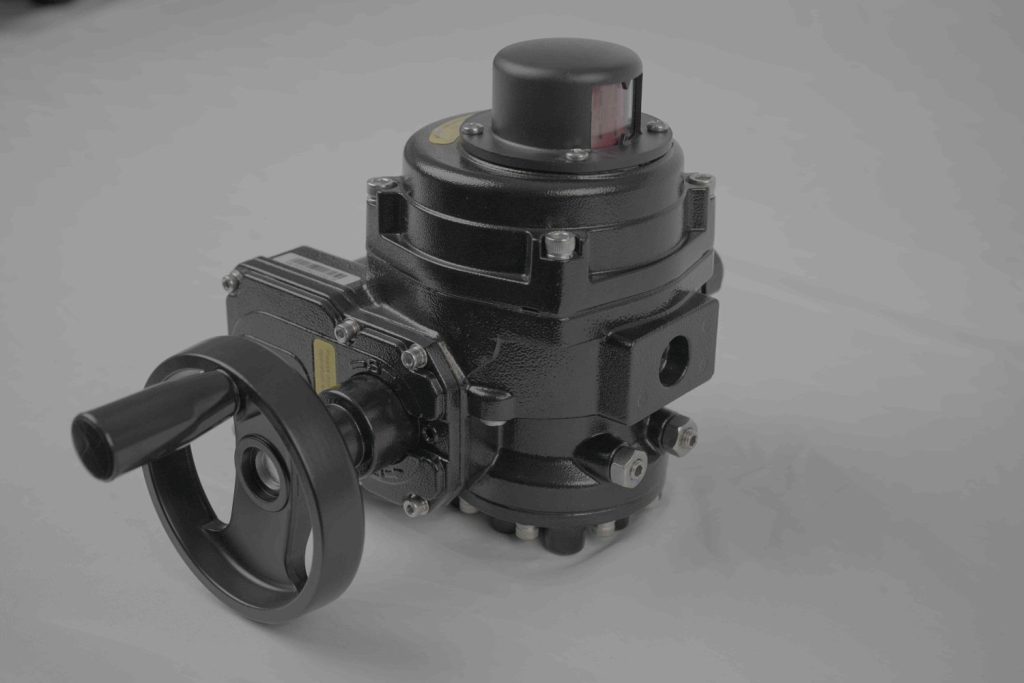
The Importance of Lithium Battery Valves Lithium-ion batteries, while efficient and high-performing, come with inherent risks. Overcharging, overheating, or physical damage can cause the battery to overheat or experience thermal runaway, leading to the release of gases and, in extreme cases, fire or explosion. A well-designed lithium battery valve addresses these risks by regulating the pressure inside the cell. This is critical in preventing hazardous situations where internal gases could cause the battery to rupture. The valve serves as a pressure relief mechanism, activating when the internal pressure exceeds safe levels. It allows gases to vent safely, protecting the battery from rupture or fire. Moreover, in some designs, valves also act as temperature regulation tools, helping to maintain the battery’s performance within optimal thermal limits.