The demand for lithium-ion batteries has skyrocketed with the rise of electric vehicles (EVs), portable electronics, and renewable energy storage systems. As these batteries power some of the most cutting-edge technologies of today, ensuring their safety has become paramount. A crucial component in maintaining the integrity and safety of lithium-ion batteries is the valve, specifically designed to regulate internal pressure and prevent catastrophic failures. In this context, Lithium Battery Valve OEM Manufacturers play a vital role in producing these essential safety components tailored to the specific needs of battery manufacturers.
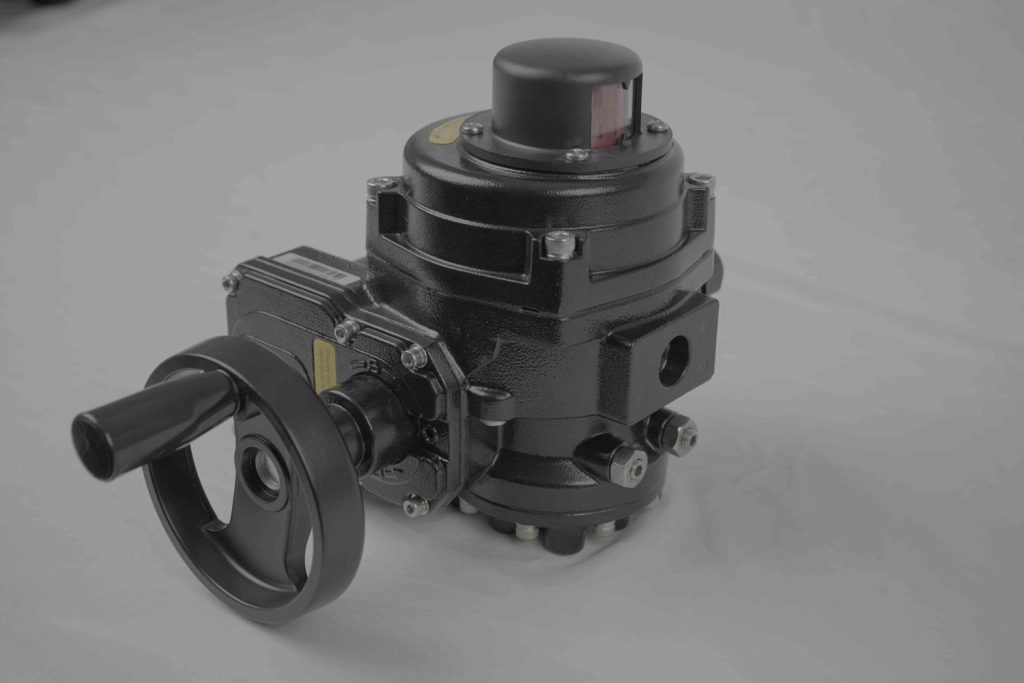
The Role of Valves in Lithium-Ion Batteries Lithium-ion batteries, while efficient and widely used, are also prone to specific risks, such as overheating, thermal runaway, and gas buildup. These risks arise primarily due to internal chemical reactions or external factors like overcharging or environmental stress. When a battery’s internal pressure increases beyond a safe limit, it can lead to dangerous outcomes, including leaks, fires, or even explosions. To mitigate these risks, battery manufacturers rely on valves, typically pressure relief valves or vented caps, which regulate the internal pressure of the battery cells. These valves allow for controlled release of gas or excess pressure, ensuring that the battery remains intact and safe to use.