The growing demand for lithium-ion batteries has revolutionized various industries, from consumer electronics to electric vehicles (EVs), renewable energy storage, and more. As these batteries continue to power our daily lives, ensuring their safety and reliability becomes paramount. One critical component in maintaining the safety of lithium-ion batteries is the battery valve, which serves as a vital part of the battery’s pressure regulation system. In this article, we will explore the role of the Lithium Battery Valve OEM Manufacturer, discussing its importance in battery design, functionality, and safety, as well as the key factors involved in choosing the right supplier.
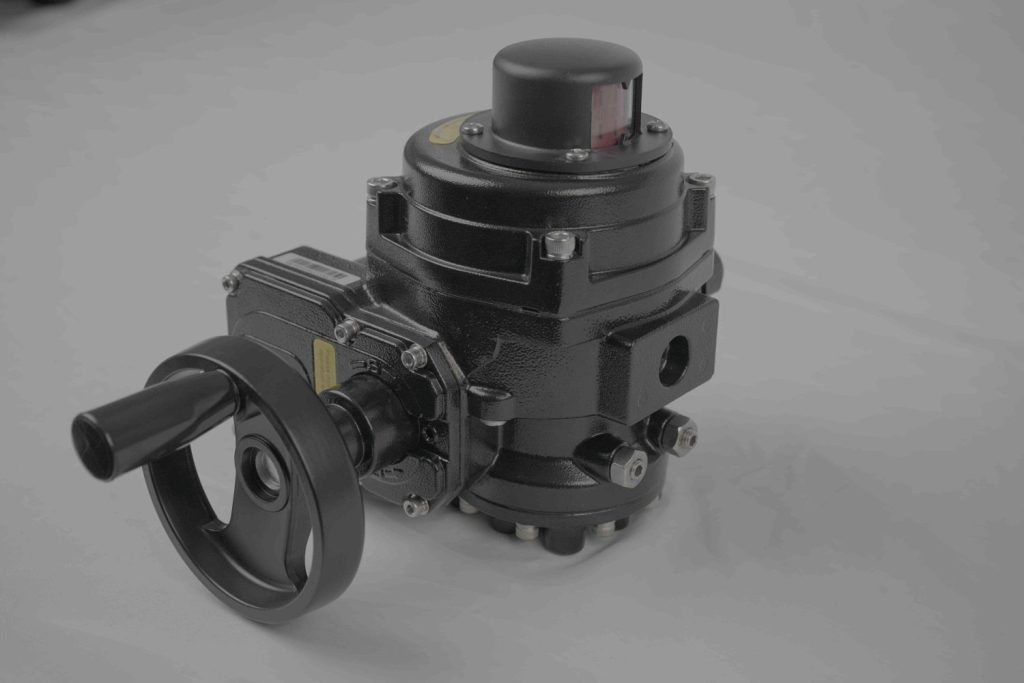
Understanding Lithium Battery Valves Lithium-ion batteries, while incredibly efficient and powerful, can pose significant risks if not properly managed. Overcharging, overheating, or short-circuiting can lead to increased pressure inside the battery, potentially causing leaks, rupture, or even thermal runaway. To mitigate these risks, manufacturers integrate valves into the battery’s safety system. These valves serve as pressure relief devices, designed to open and release excess pressure when it reaches dangerous levels, ensuring that the battery remains intact and functional. Battery valves are typically designed as part of the battery’s vent system, and their primary function is to regulate internal pressure and prevent the buildup of gases that could compromise the integrity of the battery casing. In many cases, the valve is a one-way device, allowing gas to escape in a controlled manner, while preventing contaminants from entering the battery.