In today’s rapidly evolving energy landscape, lithium-ion batteries have become the cornerstone of many technological advancements, from electric vehicles (EVs) to large-scale energy storage systems. However, as these batteries become more integral to our daily lives, the safety of their operation has gained increased attention. One essential component in ensuring the safe functioning of lithium-ion batteries is the valve. A Lithium battery valve manufacturer plays a crucial role in developing these safety devices, which are designed to protect both the battery and its users. This article explores the importance of lithium battery valves, the manufacturers behind them, and how they contribute to safer and more reliable energy storage solutions.
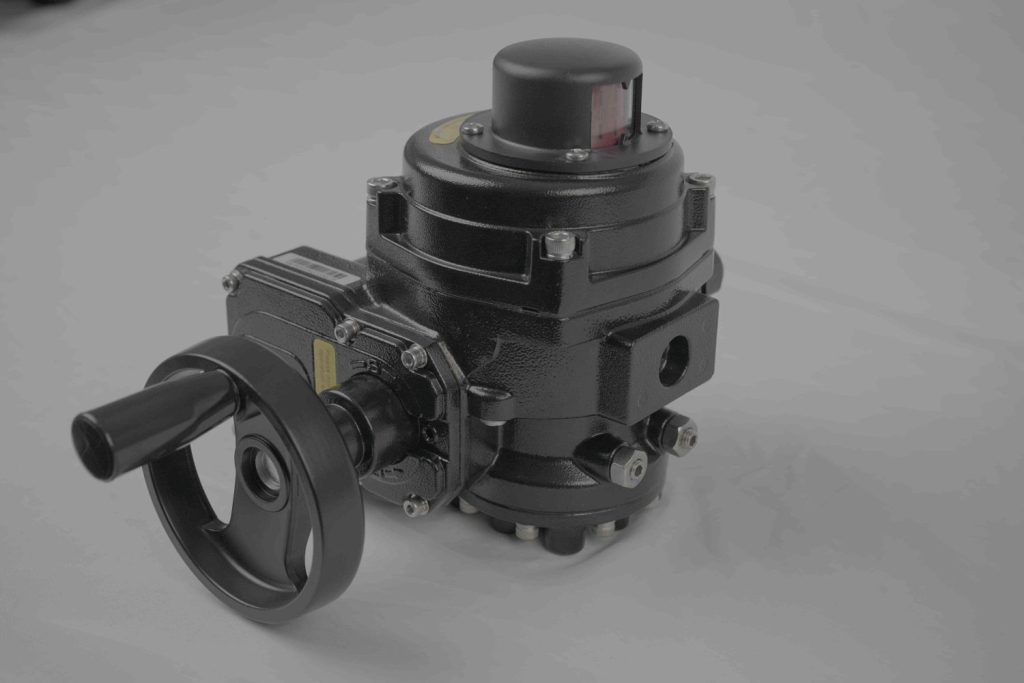
The Role of Lithium Battery Valves Lithium-ion batteries, while efficient and long-lasting, are susceptible to overheating, overcharging, and excessive internal pressure. When these conditions arise, the battery’s integrity is threatened, potentially leading to catastrophic events such as thermal runaway, fire, or even explosion. To mitigate these risks, lithium battery valves are incorporated into the design of battery packs. The primary function of these valves is to regulate the internal pressure within the battery by releasing gases when necessary. In the event of an abnormal increase in pressure—such as from thermal runaway or a short circuit—these valves open to allow the release of gases, thus preventing the buildup of pressure that could cause the battery to rupture or explode. This safety feature is particularly important in high-capacity batteries used in EVs, consumer electronics, and industrial applications.