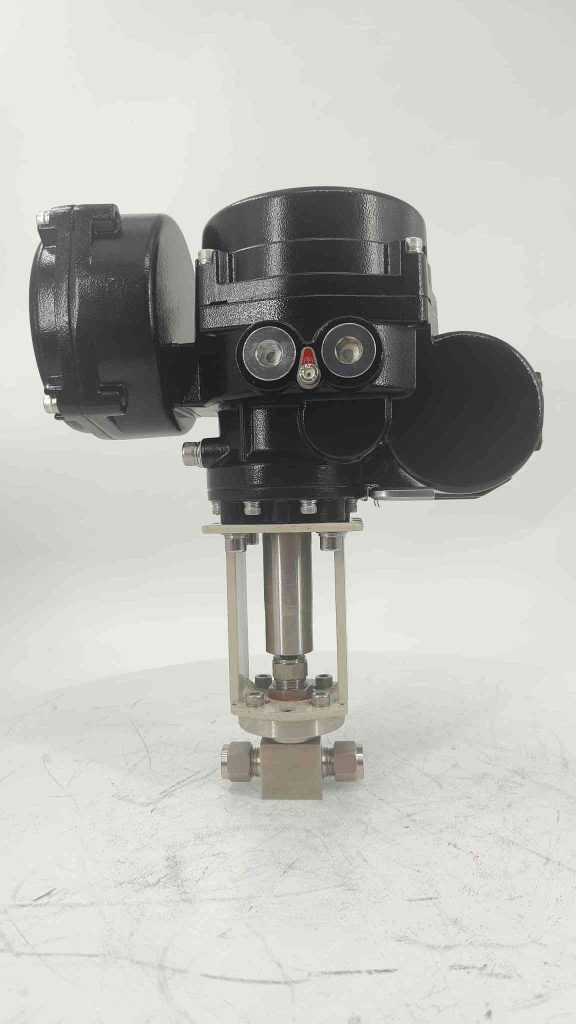
Lithium-ion and lithium-polymer batteries have become the backbone of modern energy storage systems, from powering our smartphones and laptops to enabling electric vehicles and renewable energy storage. While these batteries offer high energy density and long cycle life, they also come with inherent safety risks, especially in cases of overcharging, thermal runaway, or mechanical damage. To mitigate these risks, a crucial component has been developed – the Lithium Battery Valve. This valve plays a significant role in maintaining the safety and integrity of lithium batteries by controlling internal pressure, ensuring that the batteries operate within safe limits.
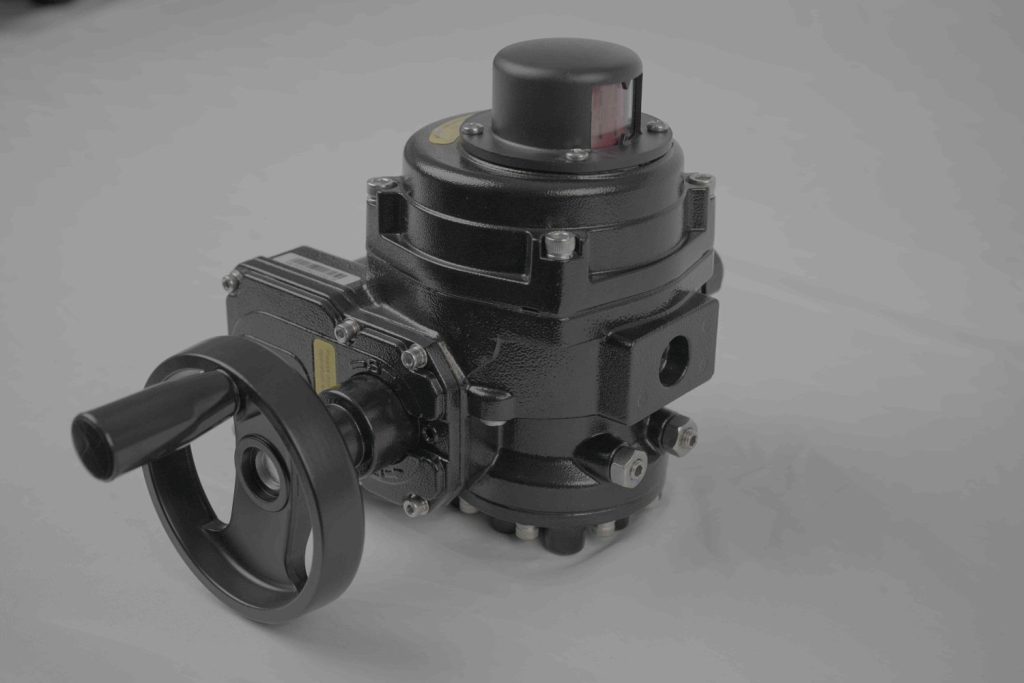
The Role of Lithium Battery Valve
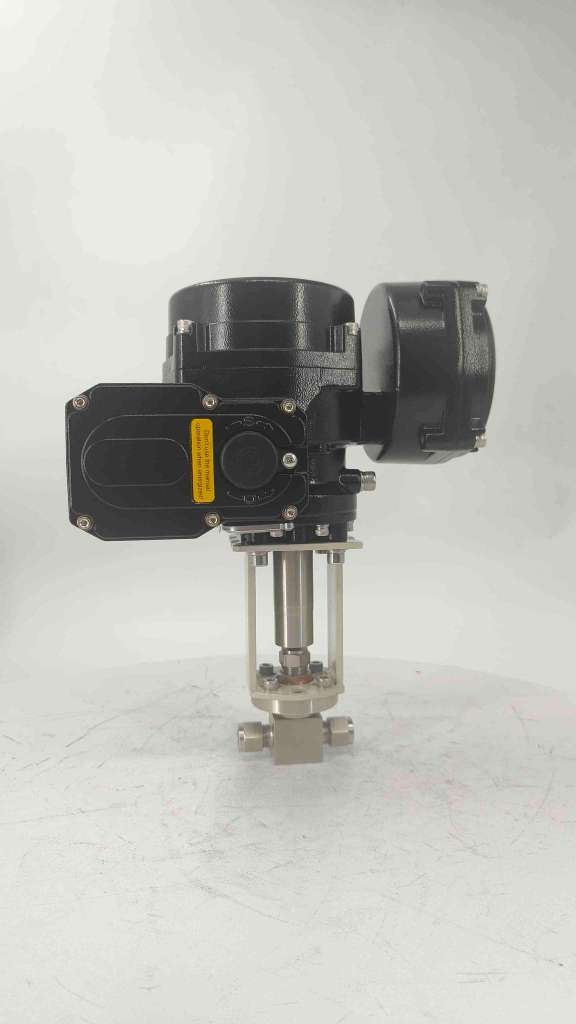
Lithium batteries operate by moving lithium ions between the anode and cathode within the electrolyte. During the charging and discharging cycles, gases are sometimes released as a byproduct of chemical reactions or due to heat generated by the battery’s internal components. In certain conditions, such as overcharging, short circuits, or internal failure, excessive gas buildup can lead to an increase in internal pressure. If the pressure is not managed, it can result in battery swelling, leakage, or even catastrophic failure, such as explosion or fire. The Lithium Battery Valve acts as a safety measure to prevent these dangerous outcomes. When the internal pressure reaches a predetermined level, the valve opens to release the excess gas, ensuring that the pressure inside the battery remains within a safe range. This protective mechanism is especially important for batteries used in applications where high power output or large capacity is required, such as in electric vehicles (EVs), large-scale energy storage systems, and high-performance electronics.