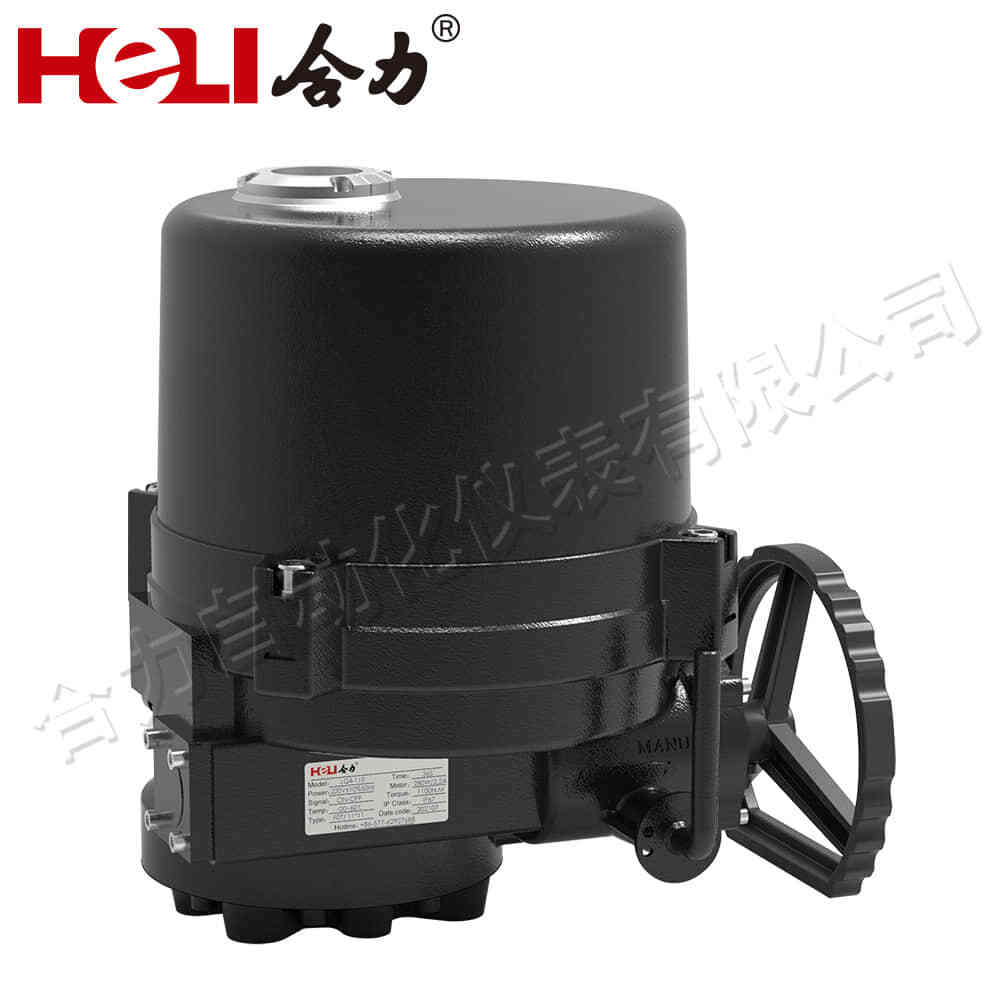
The world of automation is constantly evolving, and one of the most exciting advancements in recent years is the development of intelligent control wireless electric actuators. These devices offer a seamless combination of intelligent control systems, wireless communication, and efficient energy usage, making them highly versatile and applicable in a wide range of industries. From industrial automation to smart homes, intelligent control wireless electric actuators are revolutionizing the way we manage and control mechanical systems.
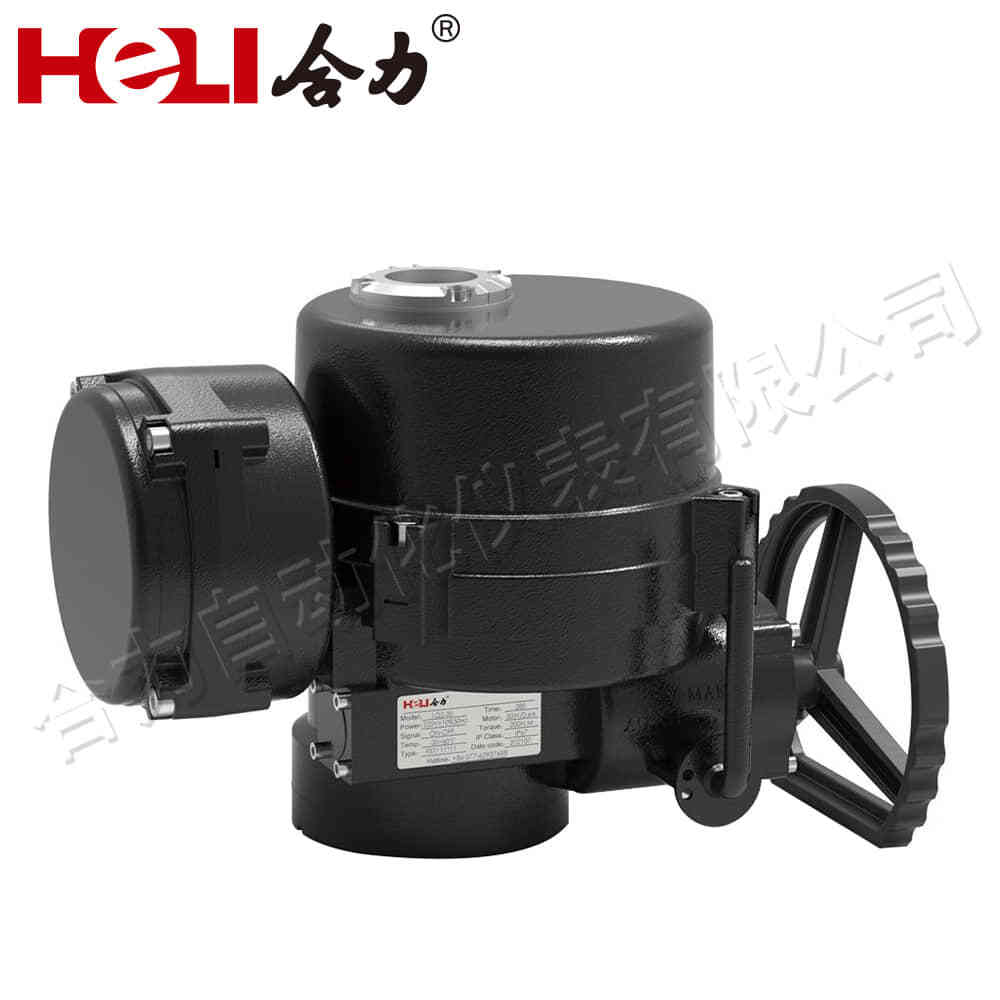
1. What is an Intelligent Control Wireless Electric Actuator?
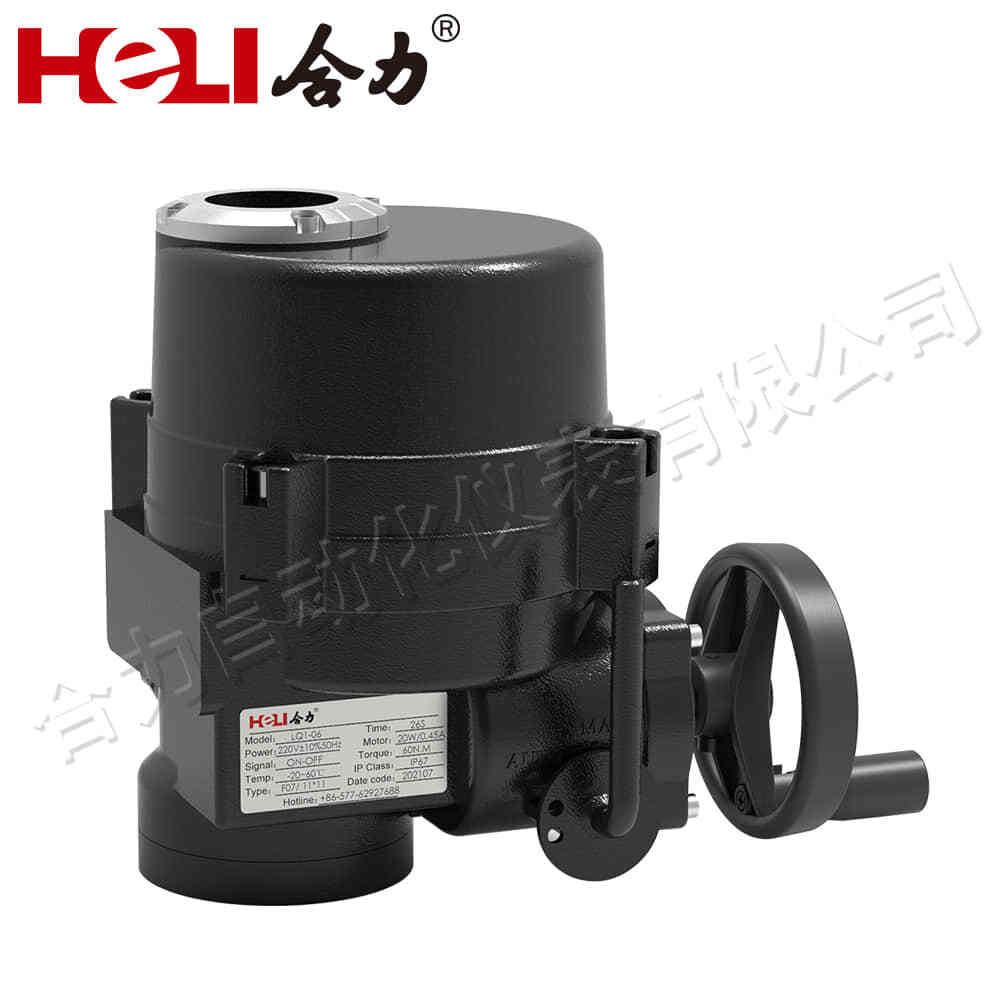
An intelligent control wireless electric actuator is a device that converts electrical energy into mechanical motion, with the added capability of wireless communication and smart control. Unlike traditional actuators, which rely on wired connections for control signals, wireless actuators communicate using protocols such as Wi-Fi, Bluetooth, Zigbee, or LoRa. This enables users to control the actuator remotely, eliminating the need for extensive wiring and improving installation flexibility. The “intelligent” part of these actuators refers to their built-in control systems. These systems typically include microcontrollers or smart processors that allow the actuator to respond autonomously to changes in its environment or system. For example, an actuator can adjust its operation based on input from sensors, optimizing its performance in real-time without requiring constant human supervision.