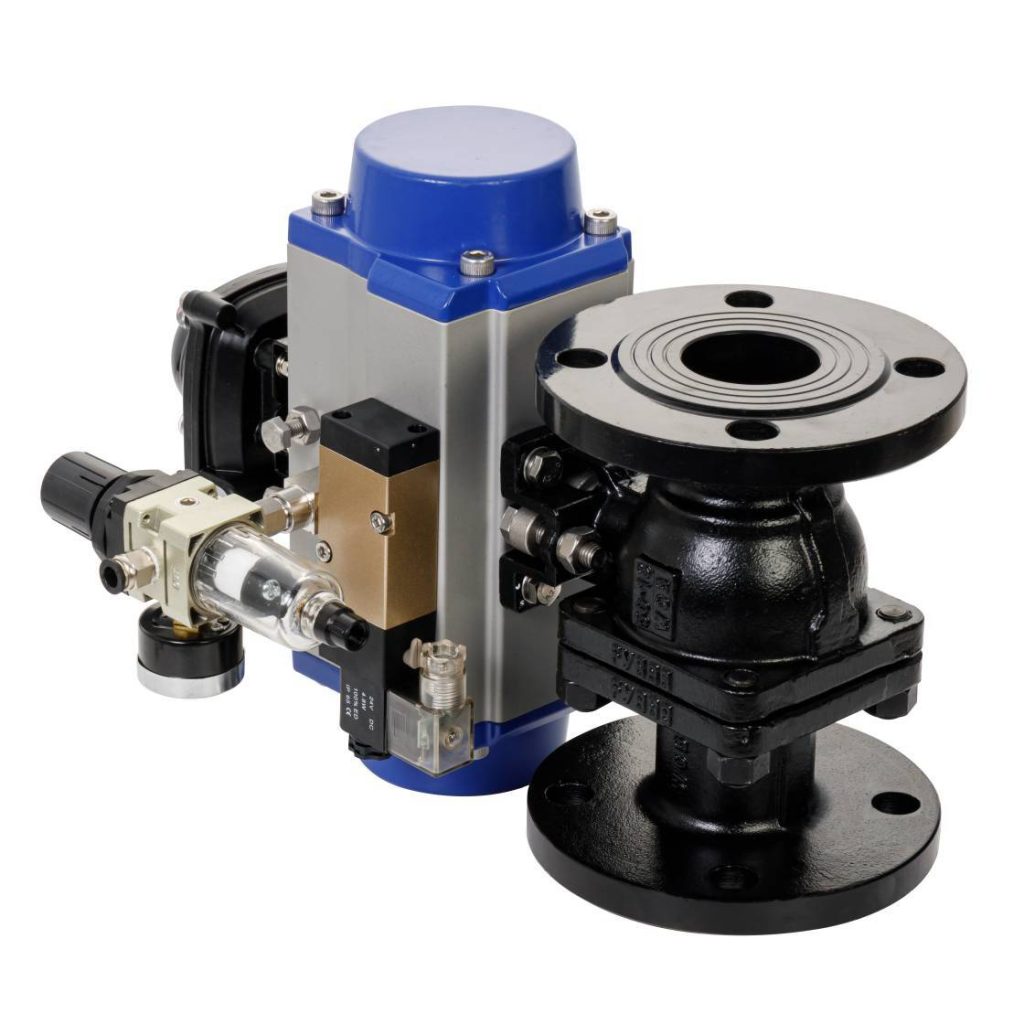
The world is rapidly shifting towards renewable energy sources as the urgency to combat climate change intensifies. Among the most promising alternatives to conventional fossil fuels is hydrogen energy, which offers a cleaner, sustainable solution. As hydrogen energy systems gain traction, the need for reliable, efficient, and robust control mechanisms becomes paramount. One such essential component is the Hydrogen Energy Pneumatic Ball Valve, which plays a critical role in regulating the flow of hydrogen in various applications. This article explores the significance of these valves in hydrogen energy systems, their functionality, and why they are indispensable for the future of clean energy.
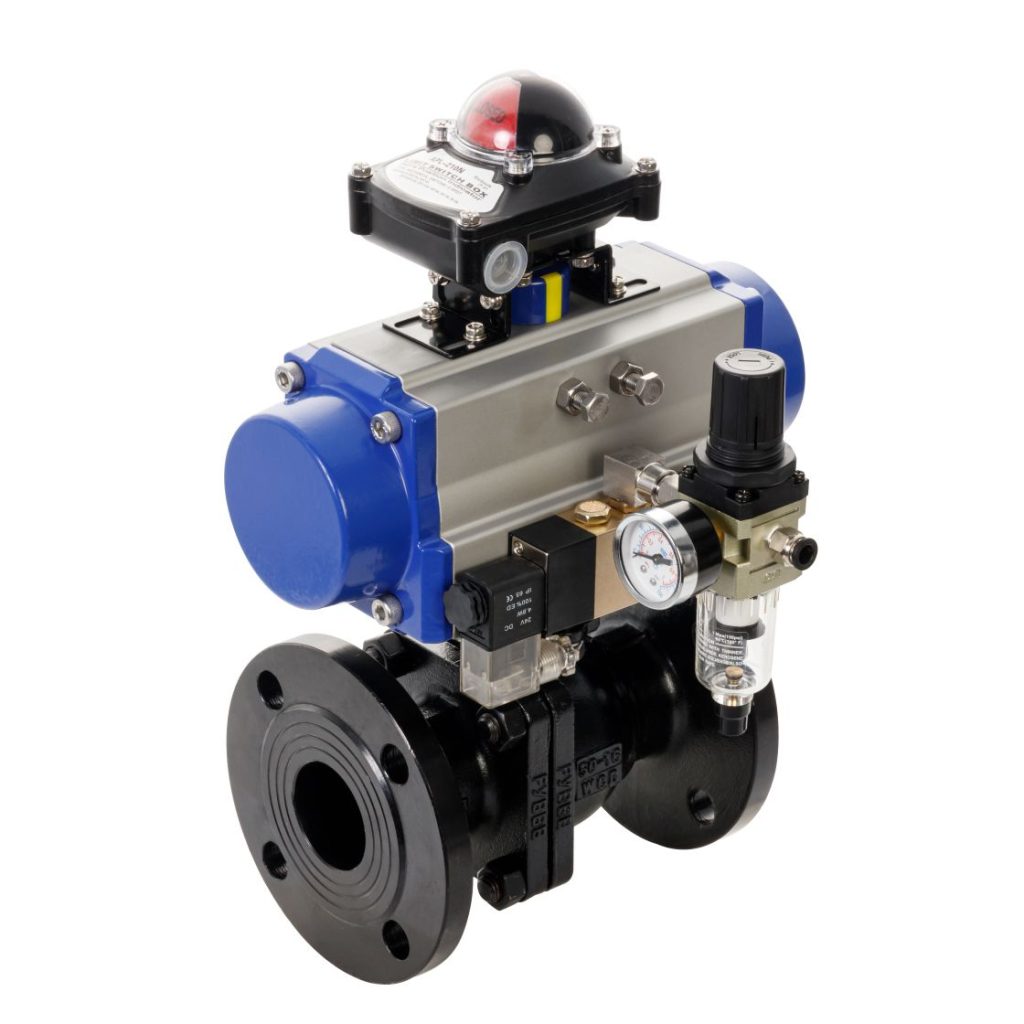
Understanding Hydrogen Energy
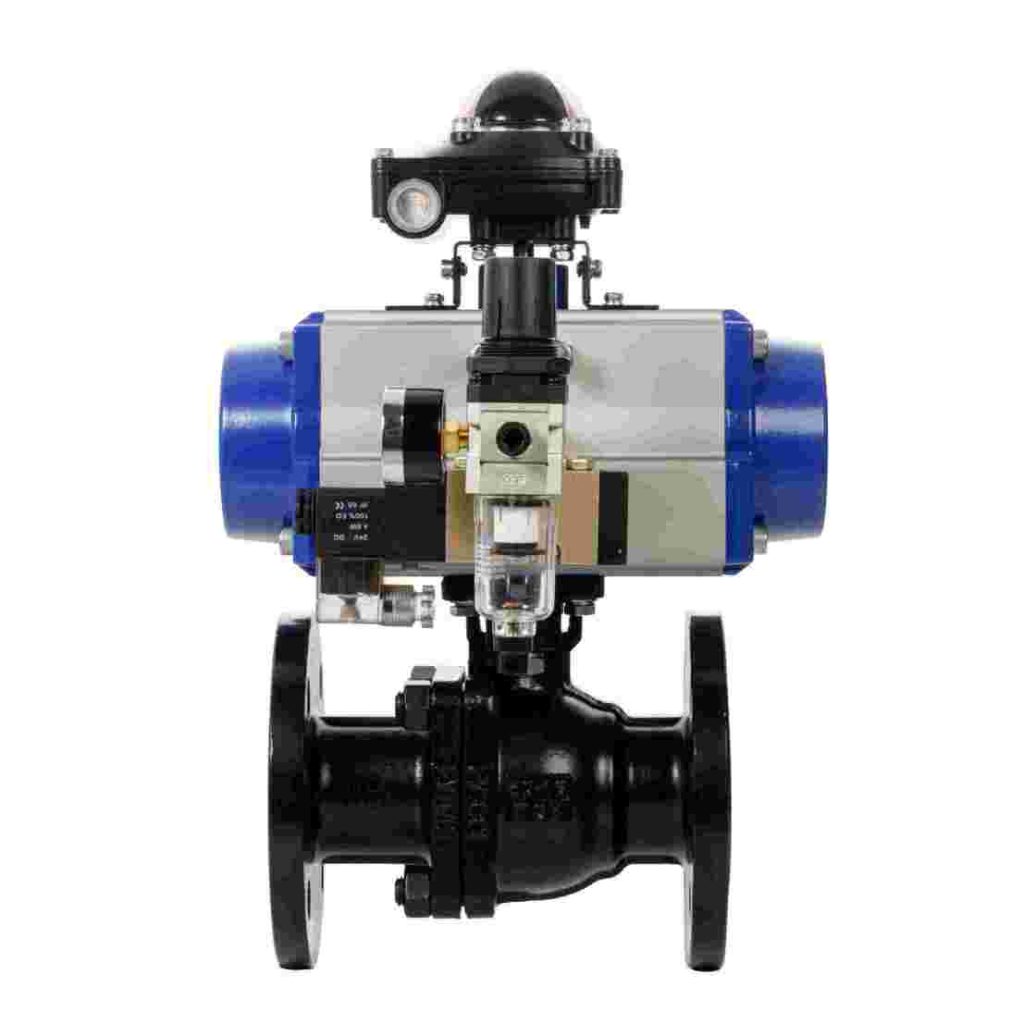
Hydrogen energy is produced by harnessing hydrogen, the most abundant element in the universe. When hydrogen reacts with oxygen, it generates electricity, water, and heat, emitting zero harmful pollutants. This makes hydrogen fuel cells an attractive option for clean energy applications, ranging from vehicles to stationary power generation and even large-scale industrial use. As the hydrogen industry expands, infrastructure development, such as hydrogen production plants, storage facilities, and distribution networks, must evolve to meet the growing demand. One crucial element in these systems is ensuring that hydrogen is safely transported, stored, and utilized. This is where specialized components like valves come into play.