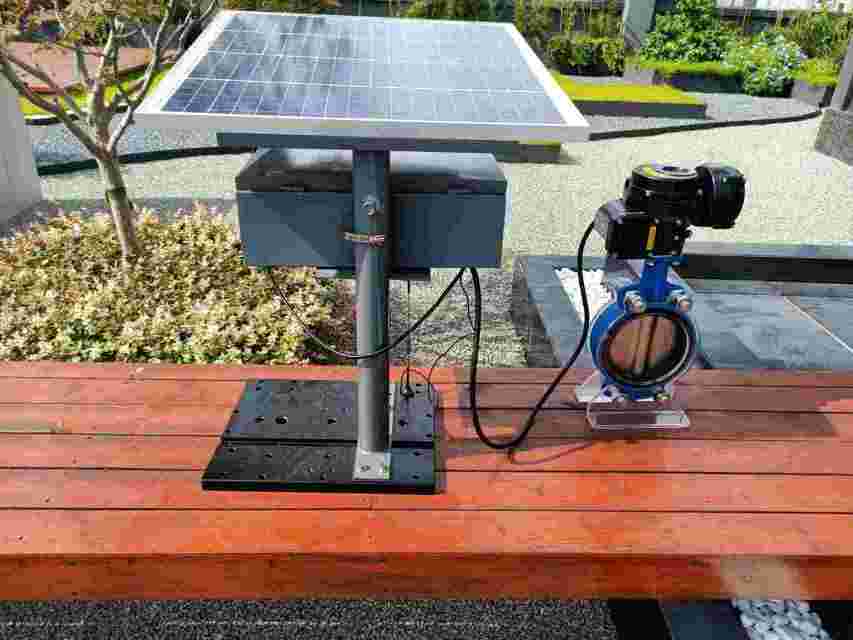
In the pursuit of sustainable energy solutions, innovative technologies continue to emerge, offering new ways to reduce environmental impact while meeting growing energy demands. One such groundbreaking development is the combination of hydrogen energy, photovoltaic systems, and electric valves. Together, these elements represent a cutting-edge solution that could revolutionize the way we generate, store, and manage clean energy. The integration of these technologies holds immense promise for both the energy industry and global sustainability efforts.
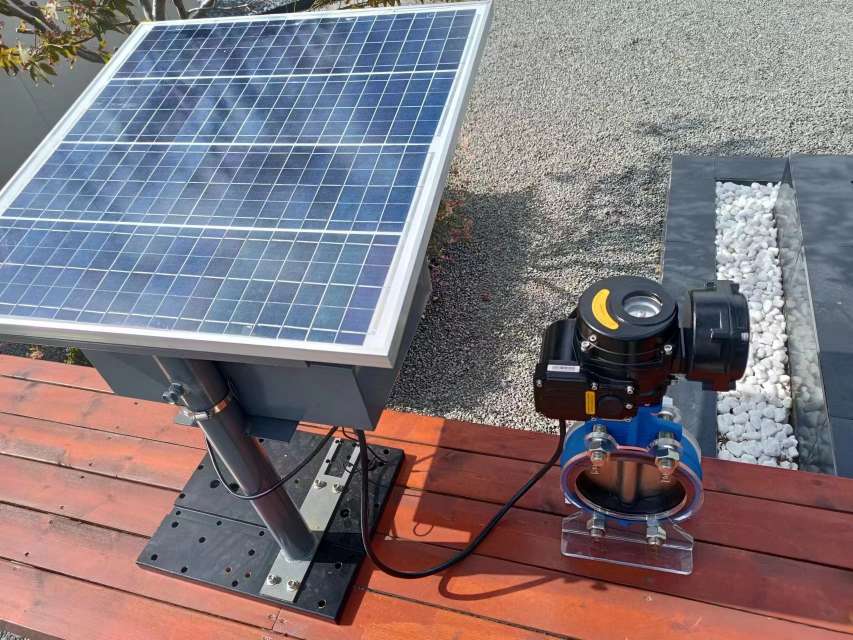
The Role of Hydrogen Energy
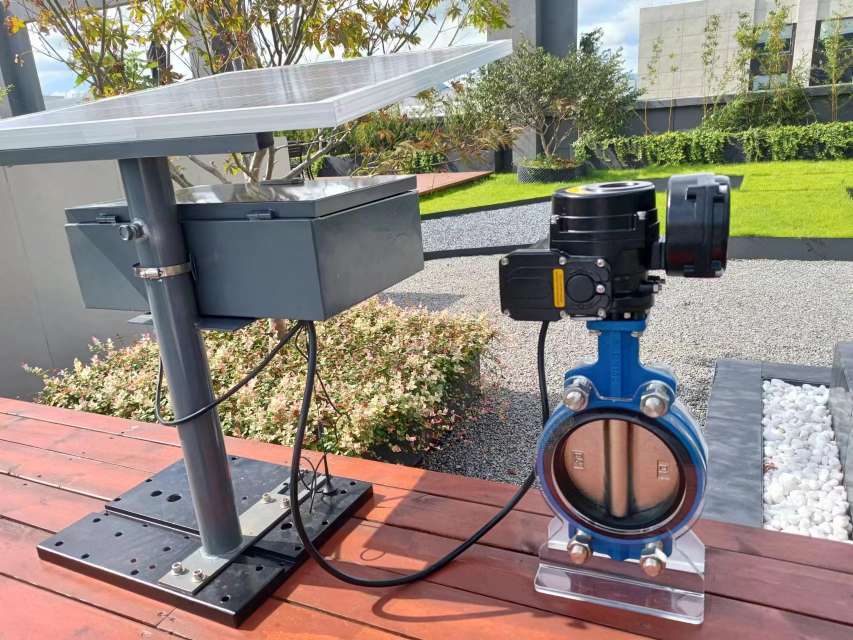
Hydrogen energy has long been hailed as a promising alternative to fossil fuels due to its clean nature. When hydrogen is used as a fuel, the only byproduct is water vapor, making it one of the most environmentally friendly sources of energy available. Hydrogen can be generated through various methods, with electrolysis of water being one of the most common. In this process, electricity is used to split water molecules into hydrogen and oxygen, producing hydrogen gas, which can then be stored and used for energy generation. The flexibility of hydrogen energy is another key advantage. It can be used in fuel cells to generate electricity, in transportation, or even as a backup energy source. As the global push for clean energy intensifies, hydrogen has emerged as a viable candidate for decarbonizing industries and sectors traditionally reliant on fossil fuels, such as heavy-duty transportation, manufacturing, and power generation.