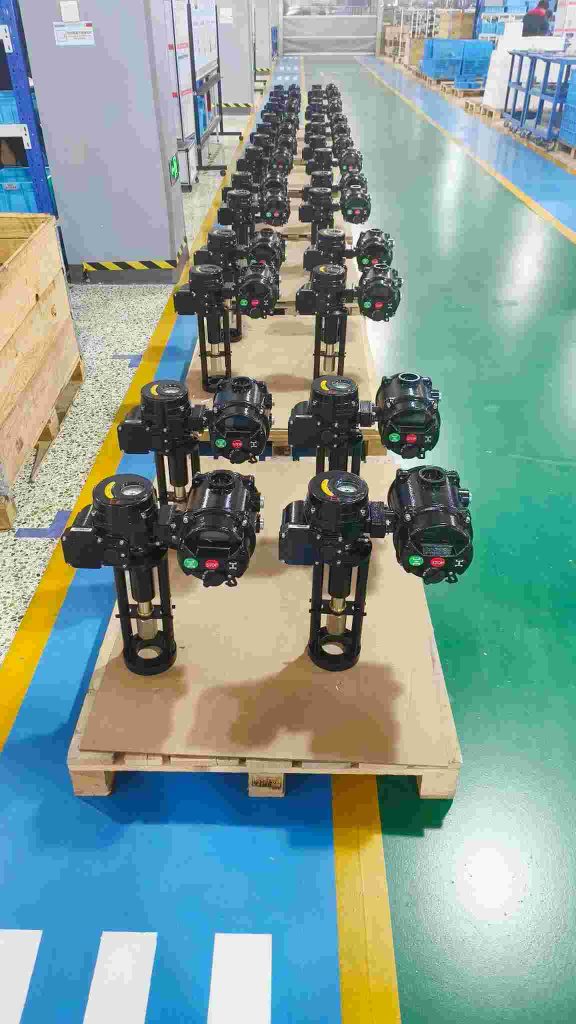
The world is gradually shifting towards clean and renewable energy sources, and among the most promising options is hydrogen energy. Hydrogen, as an alternative to traditional fossil fuels, has the potential to significantly reduce global carbon emissions. In the realm of hydrogen energy applications, an exciting innovation is the Hydrogen Energy Intelligent Integrated Actuator (HEIIA). This technology plays a critical role in optimizing energy systems that rely on hydrogen, enhancing their efficiency, precision, and safety. In this article, we will explore the function, components, applications, and future trends of the Hydrogen Energy Intelligent Integrated Actuator.
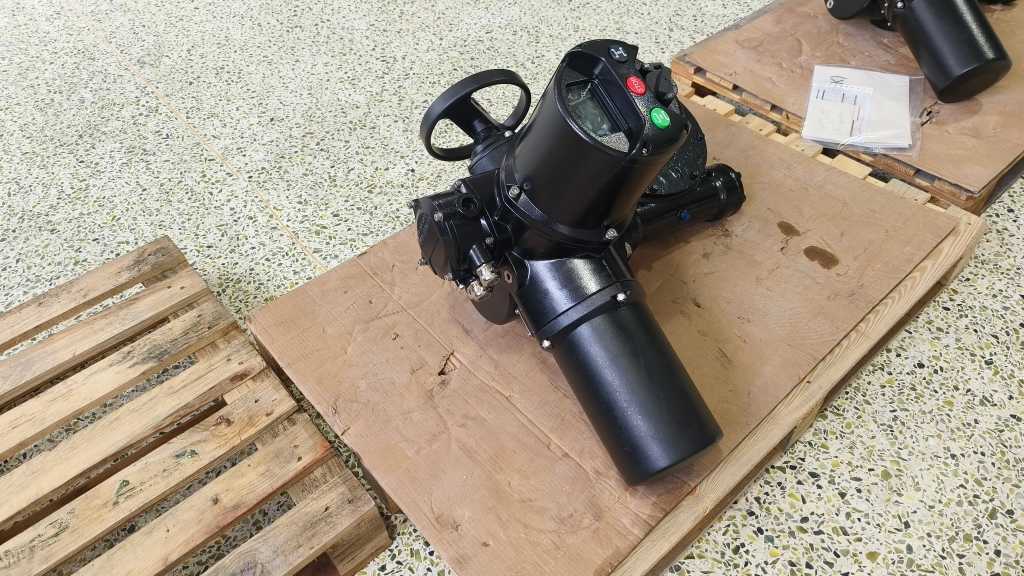
What is a Hydrogen Energy Intelligent Integrated Actuator?
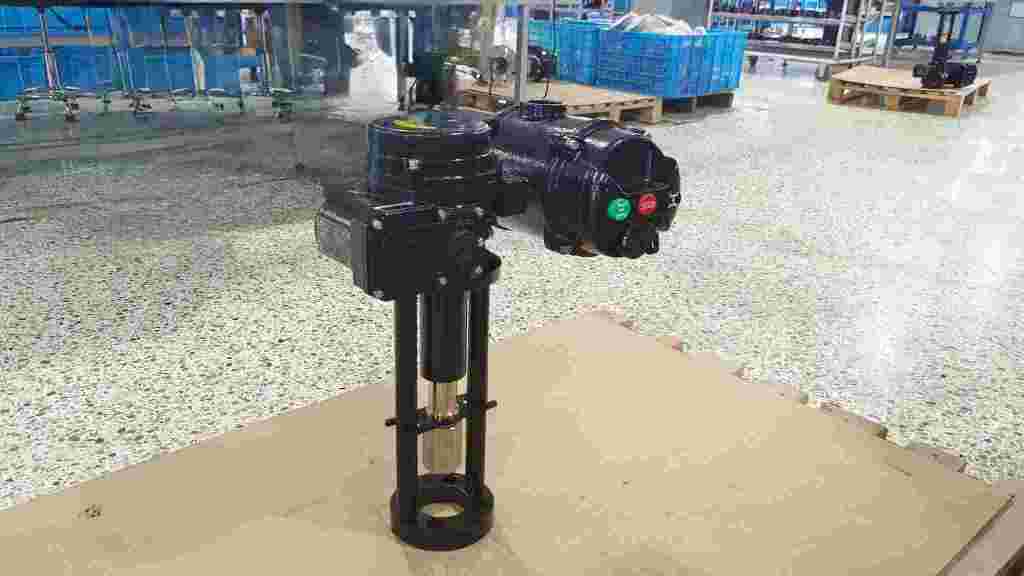
An actuator is a device responsible for moving or controlling a mechanism or system, typically by converting energy into mechanical motion. When we add the “intelligent” and “integrated” aspects to the actuator, it refers to a system that combines sensors, control algorithms, and a physical actuation mechanism into one compact unit. This integration enables the actuator to make real-time decisions based on data, enhancing both operational efficiency and safety. In the context of hydrogen energy, an intelligent integrated actuator refers to a system that manages and optimizes various elements of hydrogen-based energy systems—such as hydrogen fuel cells, hydrogen storage systems, or hydrogen-powered vehicles. It is designed to control processes like hydrogen flow, pressure regulation, and even temperature control, making it a crucial component in the effective management of hydrogen energy.