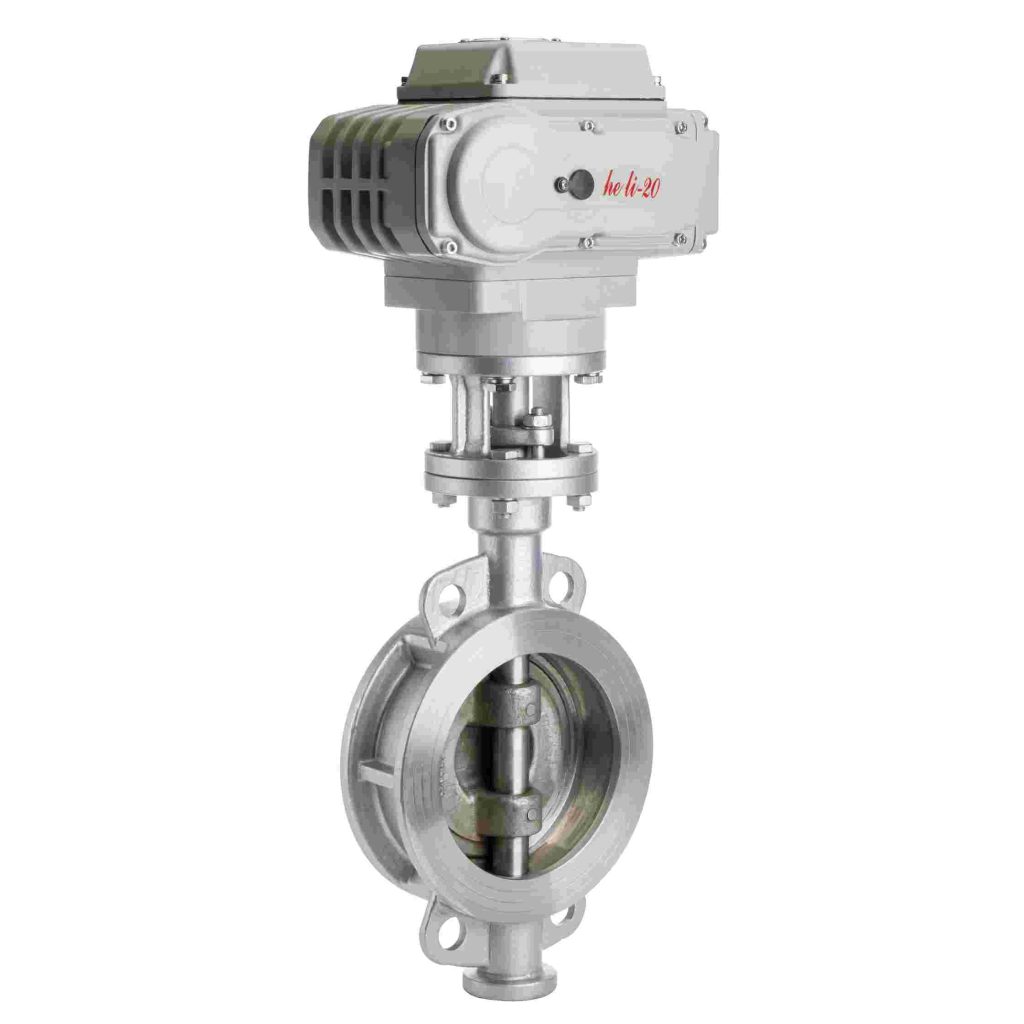
In recent years, hydrogen energy has emerged as one of the most promising solutions to address global energy challenges and combat climate change. As the world moves toward cleaner and more sustainable energy sources, hydrogen fuel cells are gaining increasing attention for their potential to power various sectors, including transportation, industry, and power generation. One critical element in the efficient and safe transportation of hydrogen and its integration into energy systems is the valve technology used in these systems. Among the various valve types available, the Hydrogen Energy Electric Three Eccentric Butterfly Valve has gained prominence for its unique features and suitability for hydrogen energy applications. This article will explore the key aspects of this valve, its working principles, and its importance in the context of hydrogen energy systems.
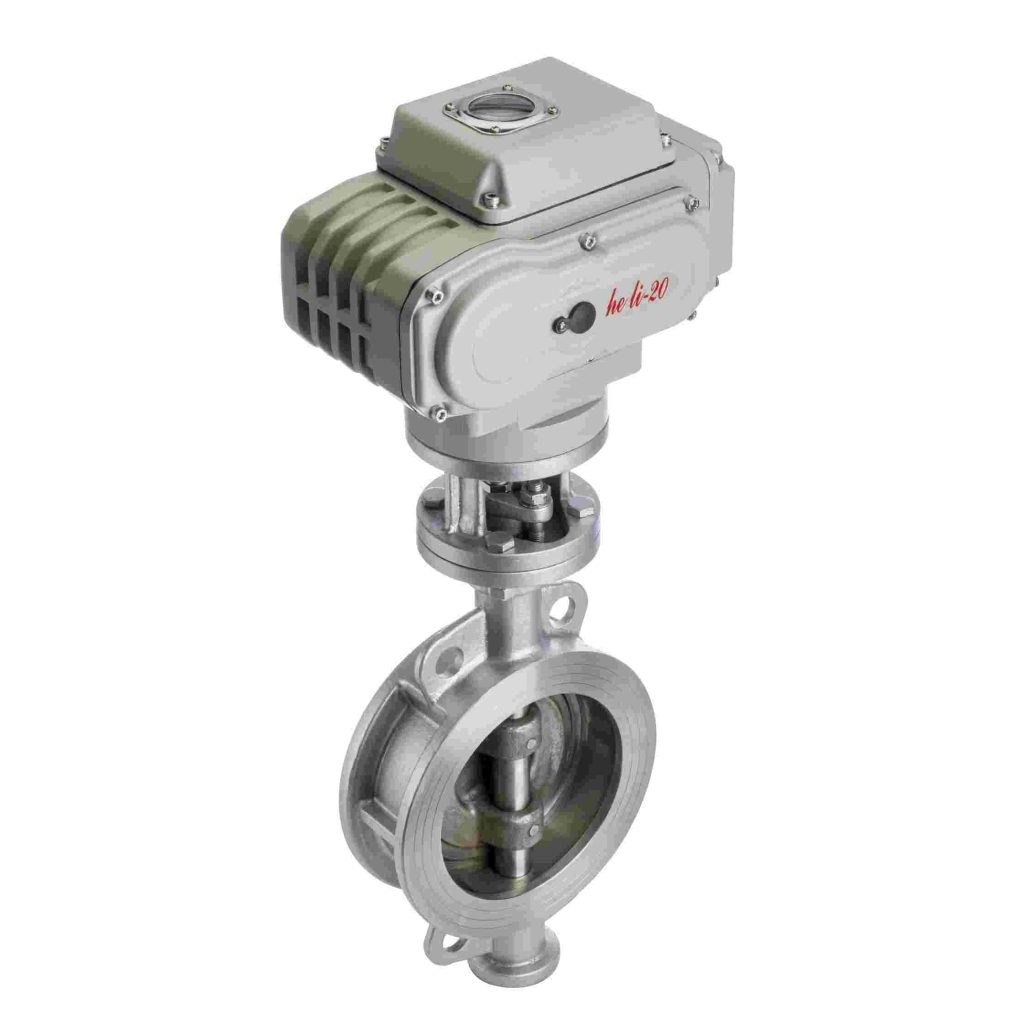
What is a Hydrogen Energy Electric Three Eccentric Butterfly Valve?
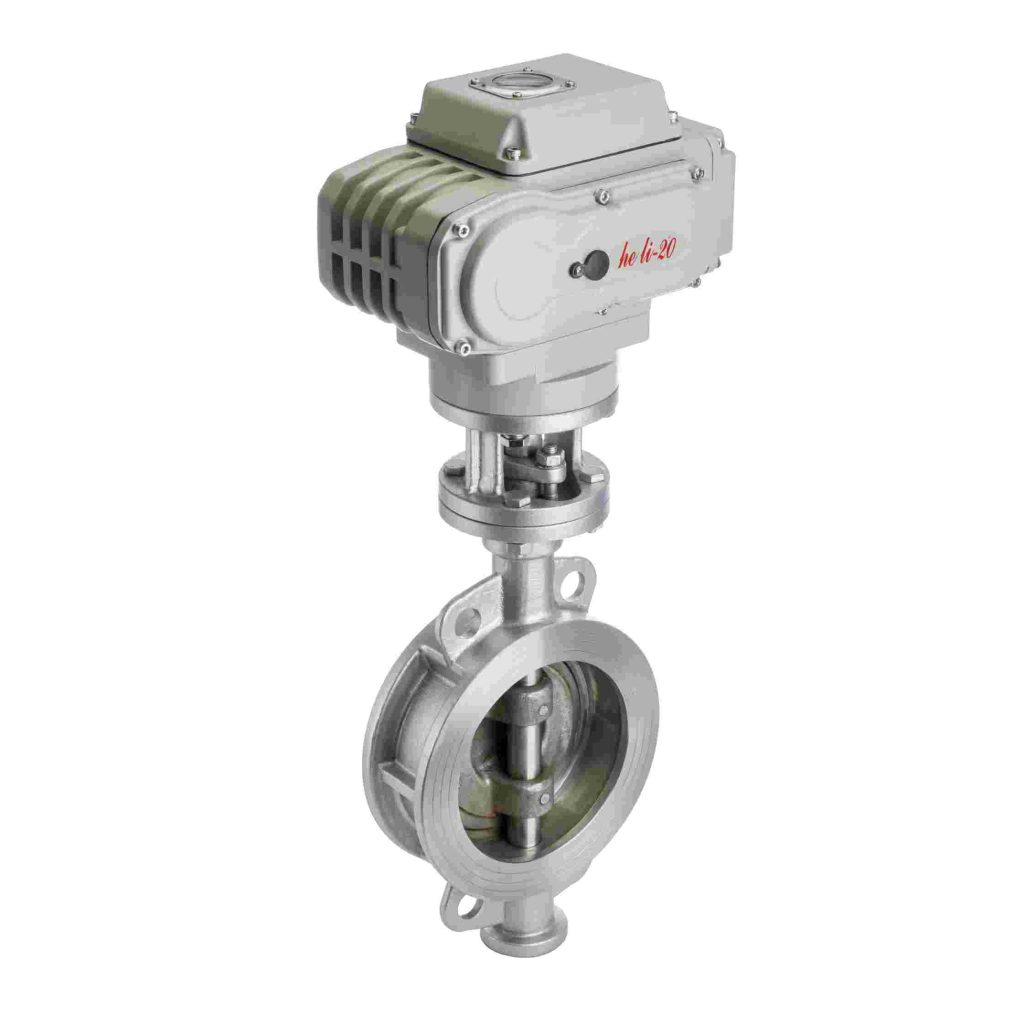
A Hydrogen Energy Electric Three Eccentric Butterfly Valve is a specialized type of valve designed to handle high-pressure, high-flow conditions typically associated with hydrogen pipelines and systems. It combines the functionality of a butterfly valve with the advanced features of a three-eccentric design and electric actuation, making it an ideal choice for managing the flow of hydrogen in various applications. A butterfly valve consists of a circular disc or vane that rotates to control the flow of fluid through a pipeline. The three-eccentric design refers to the positioning of the valve’s disc, which is not aligned concentrically with the valve’s stem. This design enhances sealing performance, reduces wear, and improves the valve’s durability and longevity. The “electric” aspect of this valve refers to its use of electric actuators to control the valve’s operation, offering precise control and remote operation capabilities, which are essential for modern hydrogen energy systems.