As the world shifts towards renewable energy sources, hydrogen energy has emerged as a promising alternative to traditional fossil fuels. Among the various components critical to the efficient management of hydrogen energy systems, the electric single seat regulating valve plays a vital role. This article explores the importance, functionality, and applications of hydrogen energy electric single seat regulating valves in modern energy systems.
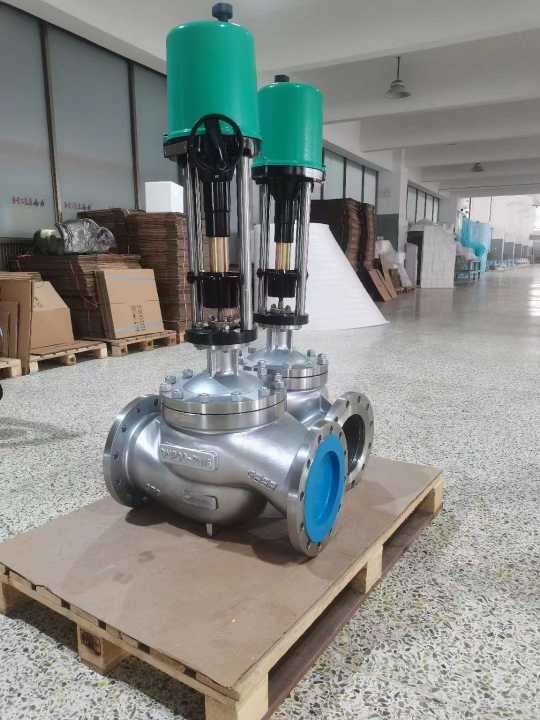
Understanding Hydrogen Energy Hydrogen energy refers to the energy derived from hydrogen, a clean fuel that can be used in various applications, including fuel cells, combustion engines, and other energy systems. When hydrogen is used as a fuel, it produces only water as a byproduct, making it an environmentally friendly alternative to carbon-based fuels. The growing interest in hydrogen energy stems from its potential to reduce greenhouse gas emissions and combat climate change. The Role of Regulating Valves Regulating valves are crucial in controlling the flow of fluids, including gases and liquids, in various industrial processes. In hydrogen energy systems, electric single seat regulating valves are particularly important for managing the flow and pressure of hydrogen gas. These valves help ensure the safe and efficient operation of hydrogen production, storage, and distribution systems.