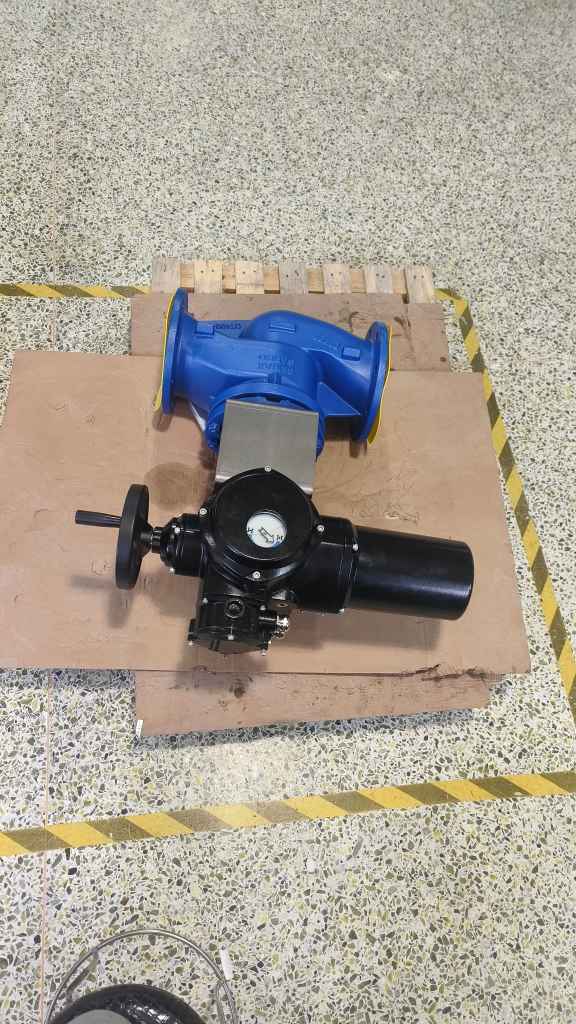
Hydrogen energy is rapidly emerging as a key player in the transition towards cleaner and more sustainable energy systems. As countries and industries strive to reduce carbon emissions and move away from fossil fuels, hydrogen offers a promising solution. However, the use of hydrogen, especially in energy systems, requires careful handling and robust safety measures. One such crucial component in hydrogen systems is the hydrogen energy electric shut-off valve, a device that plays a vital role in controlling the flow of hydrogen and ensuring the safety and efficiency of hydrogen energy systems.
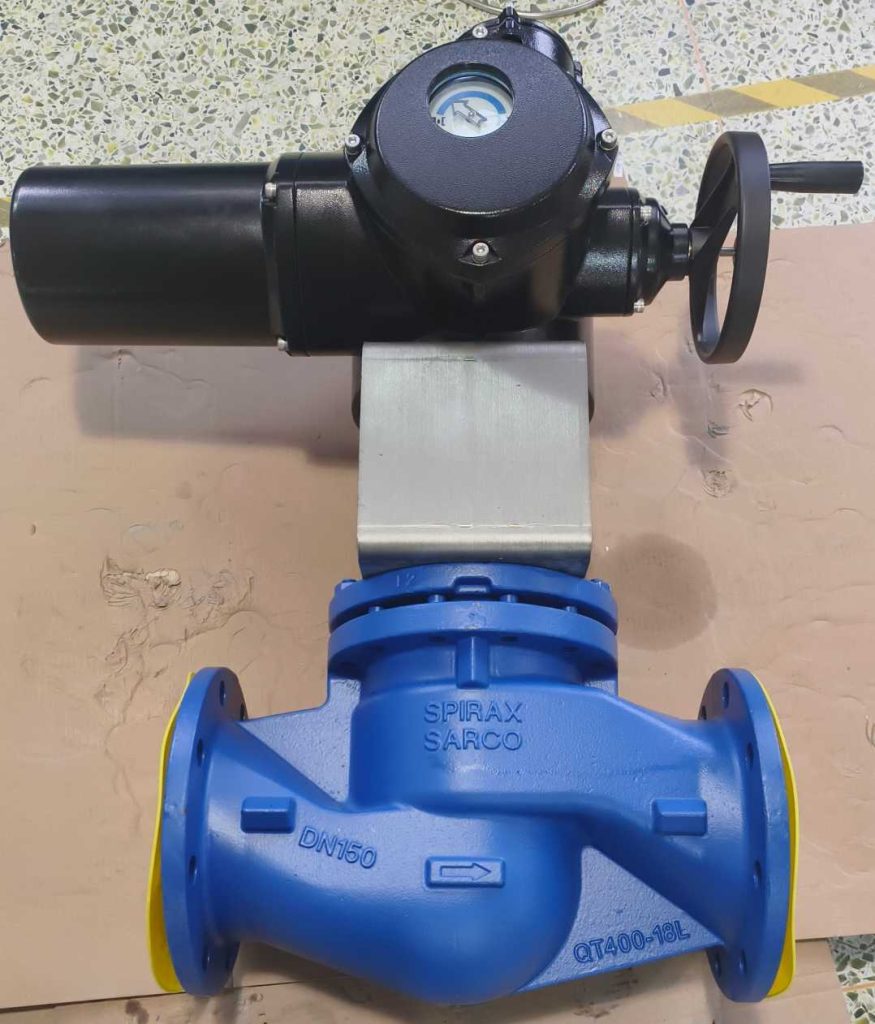
What is a Hydrogen Energy Electric Shut-off Valve?
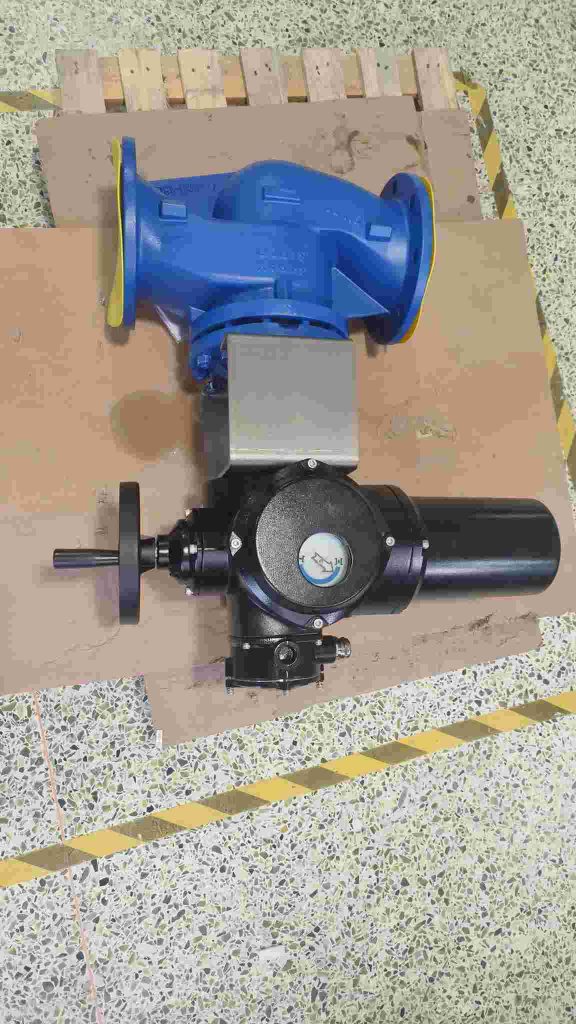
A hydrogen energy electric shut-off valve is an electrically actuated valve used to control the flow of hydrogen in a system. It is an essential part of hydrogen storage, transportation, and fuel cell systems, where the safe and precise control of hydrogen flow is paramount. The valve operates using an electric actuator, which is powered by an electric signal to open or close the valve. This electric actuation is more efficient and reliable than manual control, and it can be easily integrated into automated and remote control systems. The primary function of this valve is to shut off the hydrogen flow in the event of an emergency, such as a leak or a system malfunction, to prevent potential hazards like explosions or fires. In this context, it serves as a safety mechanism, protecting both the infrastructure and people involved in the handling and use of hydrogen.