Hydrogen energy has emerged as a key player in the global transition toward sustainable and clean energy sources. With its potential to reduce carbon emissions and replace fossil fuels in various applications, hydrogen is seen as a future fuel for industries, transportation, and even power generation. However, ensuring the safe and efficient transport, storage, and distribution of hydrogen is critical to the success of hydrogen systems. One of the key components in achieving this is the Hydrogen Energy Electric Pinch Valve, a specialized valve used to control the flow of hydrogen in pipelines and other systems. This article delves into the importance of this valve, its working mechanism, and its applications in hydrogen energy systems.
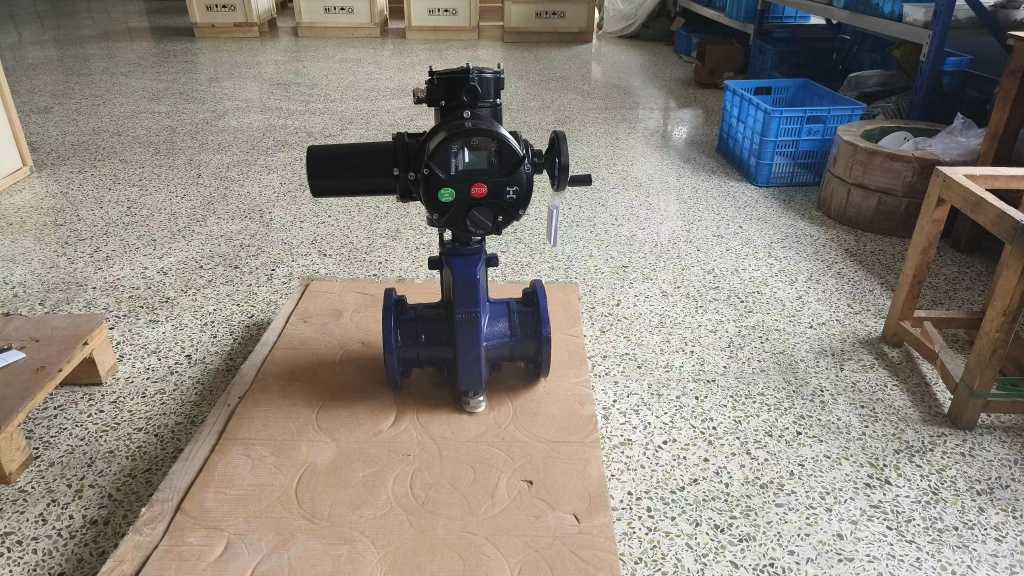
Understanding the Hydrogen Energy Electric Pinch Valve A pinch valve is a type of valve that controls the flow of fluid through a flexible tube or pipeline by compressing it. The name “pinch” refers to the action of “pinching” the tube or hose to stop or regulate the flow. This valve uses an electric actuator to control the pressure on the tube, making it ideal for precise flow control in various industries. In the context of hydrogen energy, the Electric Pinch Valve is particularly well-suited for controlling hydrogen gas flow, which can be sensitive to external conditions such as pressure, temperature, and flow rate. The electric actuator allows for automated control, enabling the valve to be integrated into advanced monitoring and control systems. This results in improved efficiency, safety, and performance of hydrogen transport systems, fuel cell applications, and hydrogen refueling stations.