Hydrogen energy is emerging as a clean and sustainable energy source that could revolutionize the global energy landscape. With increasing attention on hydrogen as a potential alternative to fossil fuels, several innovations in hydrogen technologies are being developed. One such innovation is the Hydrogen Energy Electric Pinch Valve, a critical component that ensures precise control and safe transportation of hydrogen gas within various systems. This article explores the significance, working principles, and applications of the Hydrogen Energy Electric Pinch Valve in hydrogen energy systems.
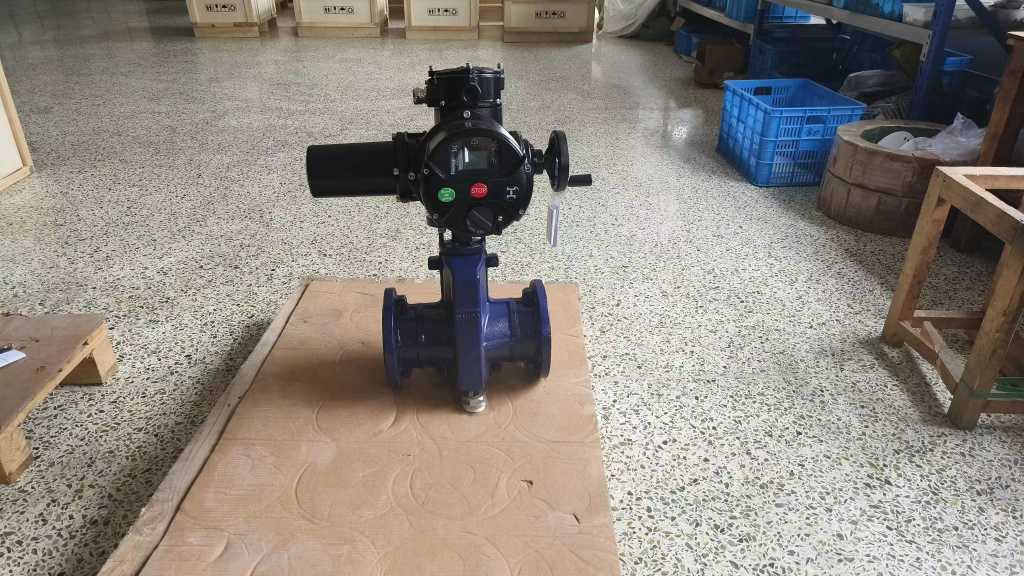
Understanding the Hydrogen Energy Electric Pinch Valve A Hydrogen Energy Electric Pinch Valve is an electrically operated valve designed to control the flow of hydrogen gas in a system. Unlike traditional mechanical valves, pinch valves use a flexible elastomeric tube to regulate flow. The valve features an actuator mechanism that squeezes the flexible tubing, effectively closing or restricting the passage of the gas. This design allows for precise control over the flow rate, making it particularly valuable in applications where fine-tuned gas management is essential. The most critical function of a Hydrogen Energy Electric Pinch Valve is to provide tight and reliable sealing. Hydrogen, as a highly flammable and low-density gas, presents unique challenges in flow control, making leak prevention a priority. The pinch valve’s elastomeric material is carefully selected to ensure that it can withstand the harsh operating conditions of hydrogen gas, such as high pressure and temperature variations, while maintaining a leak-proof seal.