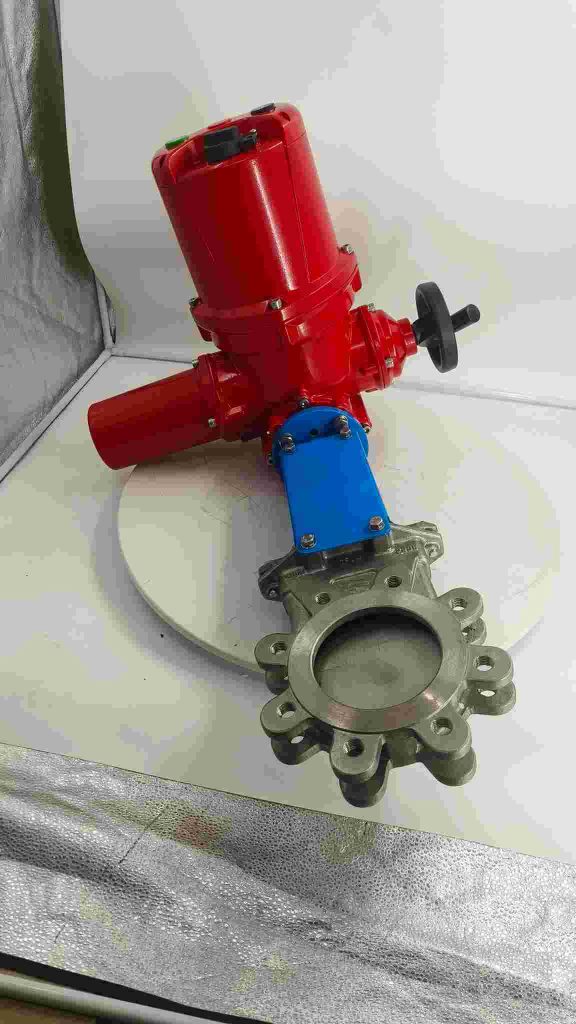
In the rapidly evolving field of hydrogen energy, the need for safe and reliable infrastructure has never been more critical. As hydrogen is becoming a key player in the global energy transition, its transportation and storage systems must be equipped with high-performance components to ensure efficiency, safety, and longevity. One such component that plays a vital role in hydrogen energy systems is the Hydrogen Energy Electric Gate Valve. These valves, designed specifically for controlling the flow of hydrogen gas, are indispensable in applications ranging from hydrogen storage to fuel cell systems and industrial hydrogen production. This article explores the significance, functionality, and safety aspects of the hydrogen energy electric gate valve.
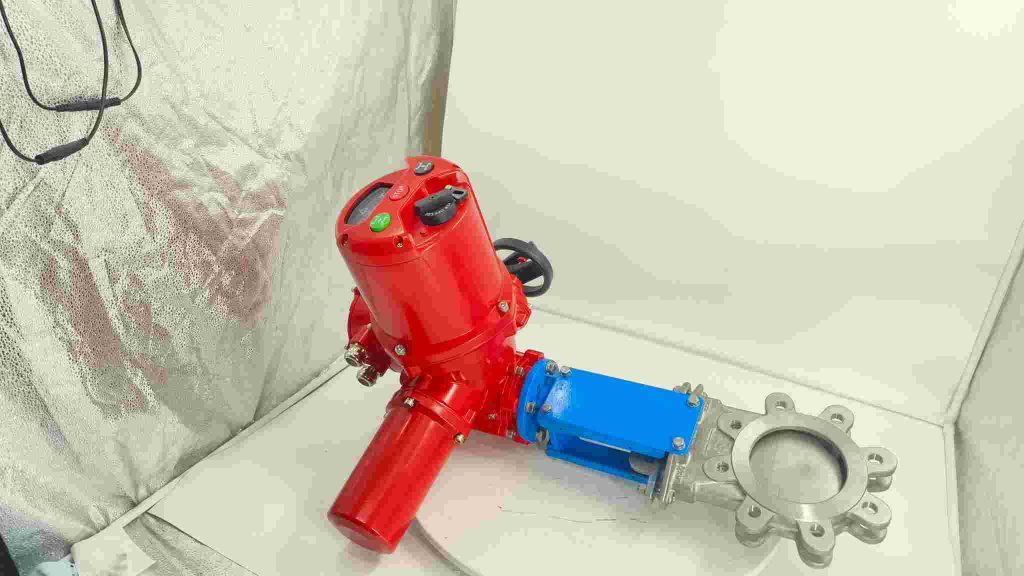
The Role of Hydrogen Energy Electric Gate Valves
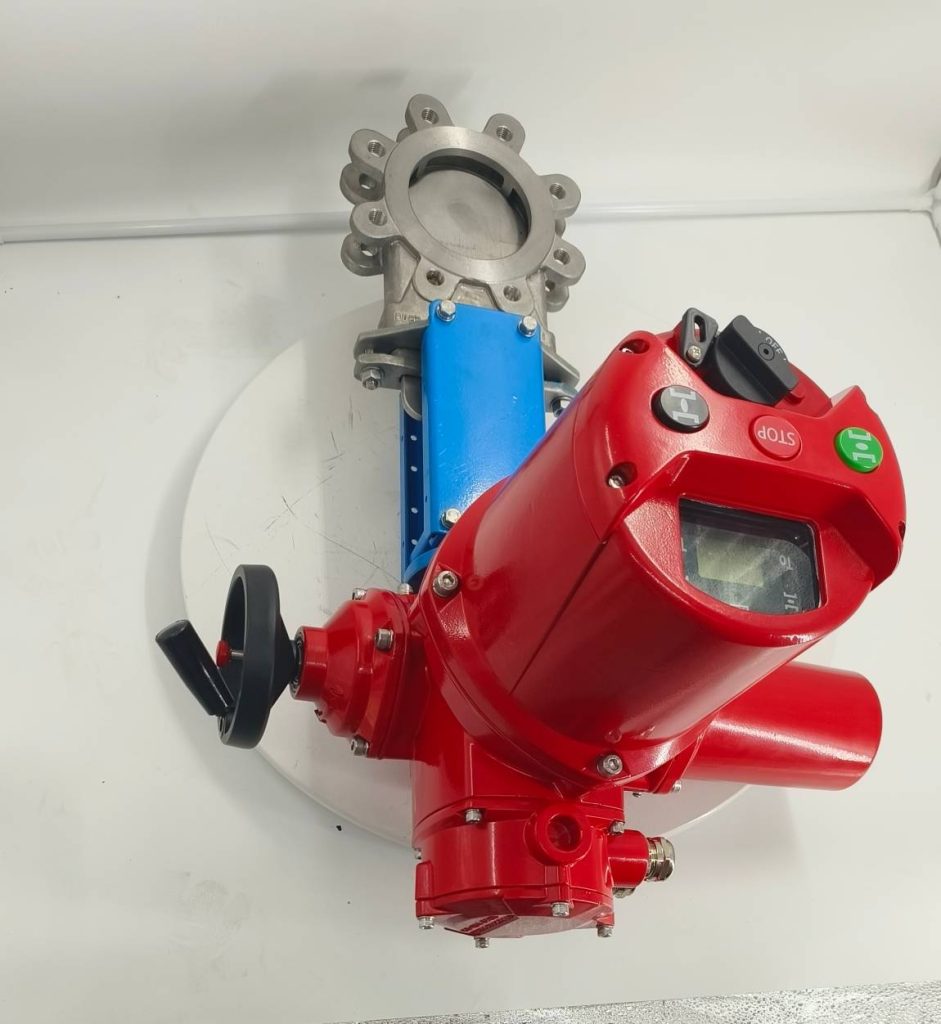
A gate valve, in its simplest form, is a mechanical device used to control the flow of fluids in a pipeline. The hydrogen energy electric gate valve, however, is specially designed to handle the unique challenges posed by hydrogen, which is a highly flammable and low-density gas. These valves are commonly used to regulate, isolate, or shut off the flow of hydrogen in various sectors, such as hydrogen fuel cell vehicles, industrial hydrogen applications, and hydrogen-based power generation. The electric version of the gate valve is driven by an electric motor, which enables remote or automated operation. This is especially beneficial for hydrogen infrastructure that requires remote control and monitoring, ensuring a smoother integration with modern automated systems. In contrast to traditional manual or pneumatic gate valves, electric gate valves allow for more precise control and can be integrated into a broader network of sensors and control devices, such as PLCs (Programmable Logic Controllers) or SCADA (Supervisory Control and Data Acquisition) systems.