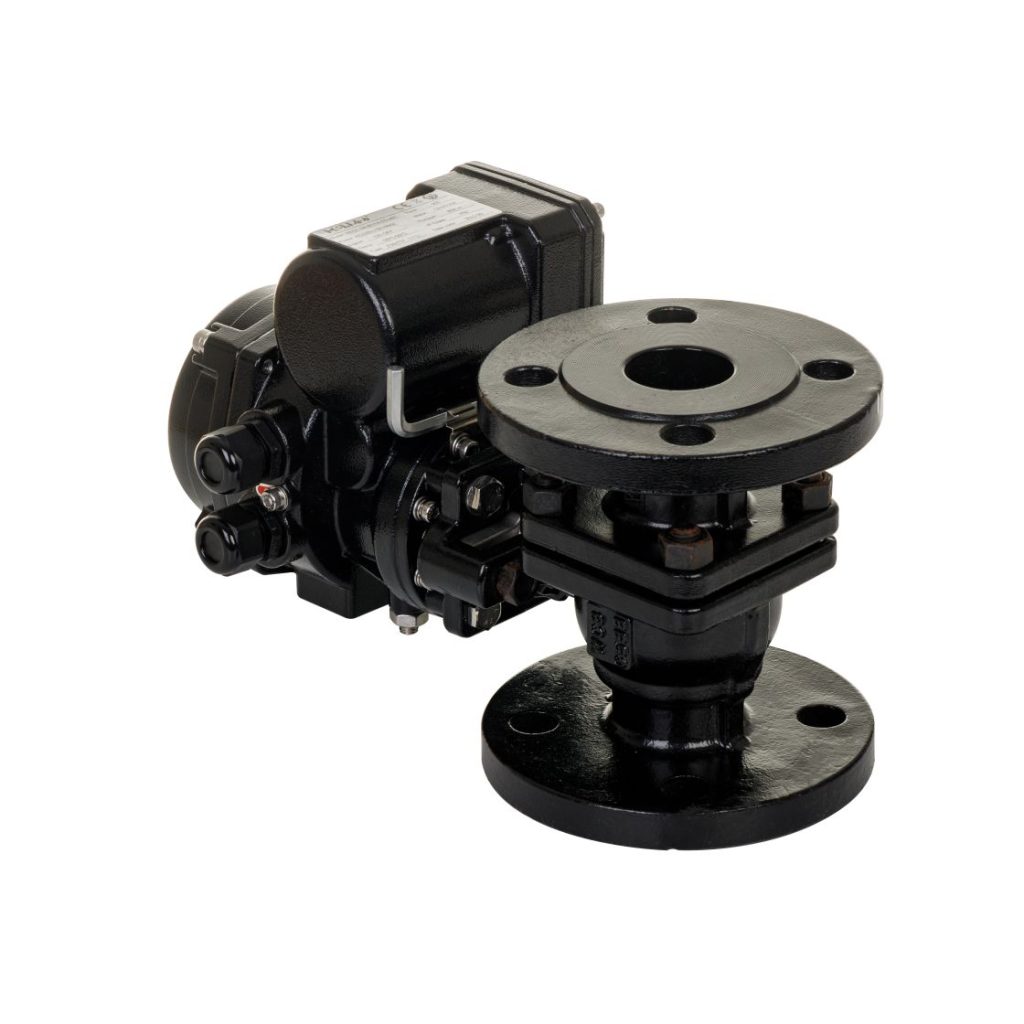
In recent years, hydrogen energy has emerged as a critical player in the quest for sustainable and clean energy solutions. As the world shifts towards greener alternatives, hydrogen is increasingly seen as a viable source of fuel for various industries, from transportation to power generation. However, one of the key challenges in hydrogen systems is ensuring the safe and efficient management of hydrogen gas, which is highly flammable and has unique properties. One of the most vital components in addressing this challenge is the Hydrogen Energy Electric Flange Ball Valve.
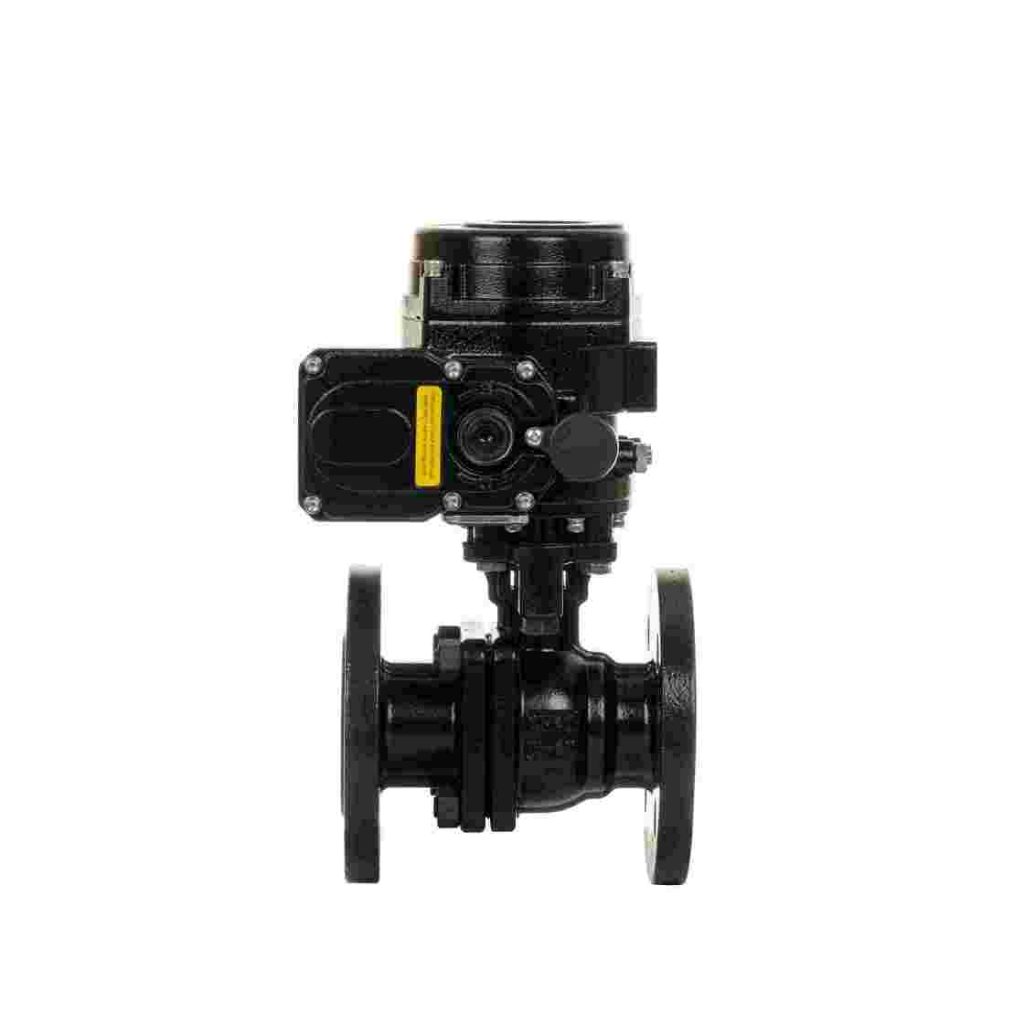
What is a Hydrogen Energy Electric Flange Ball Valve?
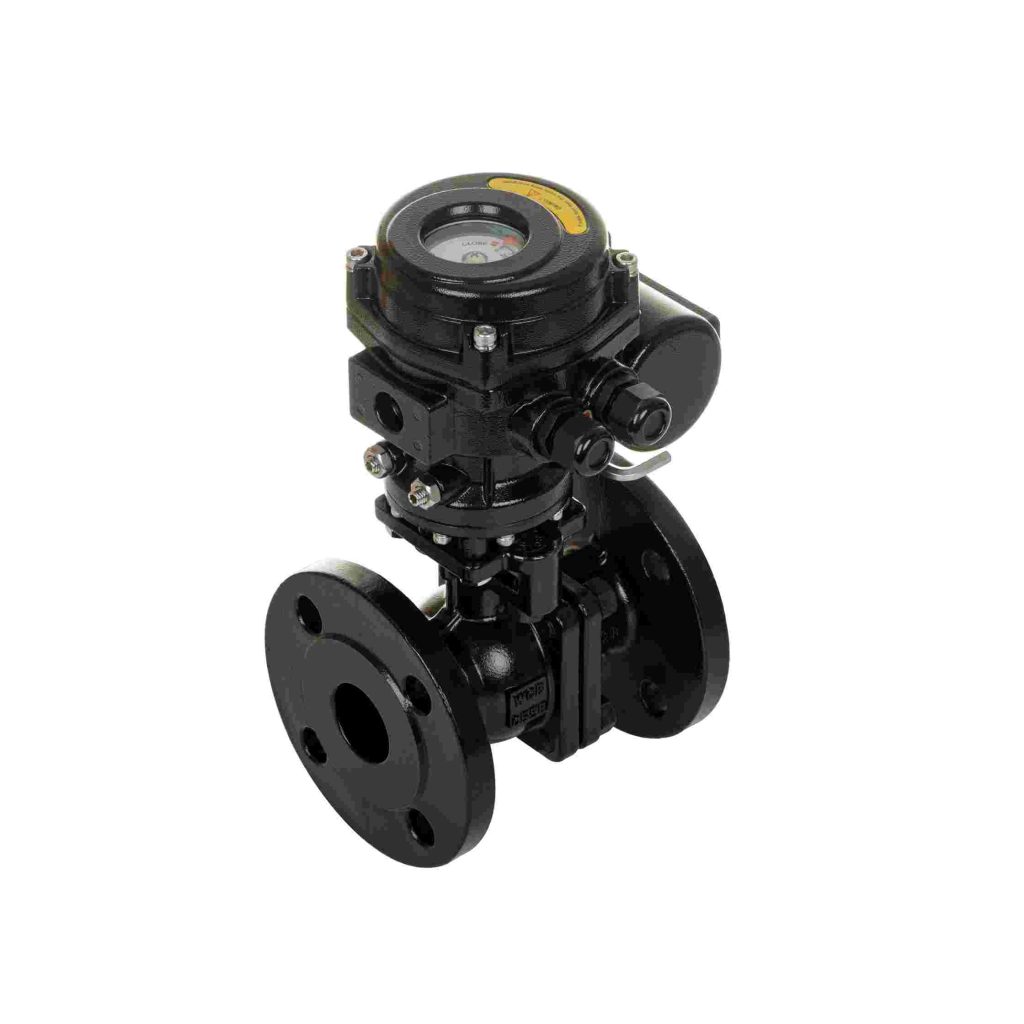
A Hydrogen Energy Electric Flange Ball Valve is a specialized type of valve designed for use in hydrogen systems. It combines three essential features: it is a ball valve, it is actuated by an electric motor, and it is equipped with flanged connections. These valves are crucial in regulating the flow of hydrogen gas in various systems, ensuring safety, reliability, and efficiency. Key Features and Components 1. Ball Valve Mechanism The ball valve design is characterized by a spherical disc with a central hole, which can rotate to either allow or block the flow of gas. This design is highly effective in hydrogen systems because it provides rapid shut-off capabilities, which is essential when dealing with a highly combustible substance like hydrogen. The ball valve also offers a low-pressure drop, ensuring efficient flow control with minimal resistance.