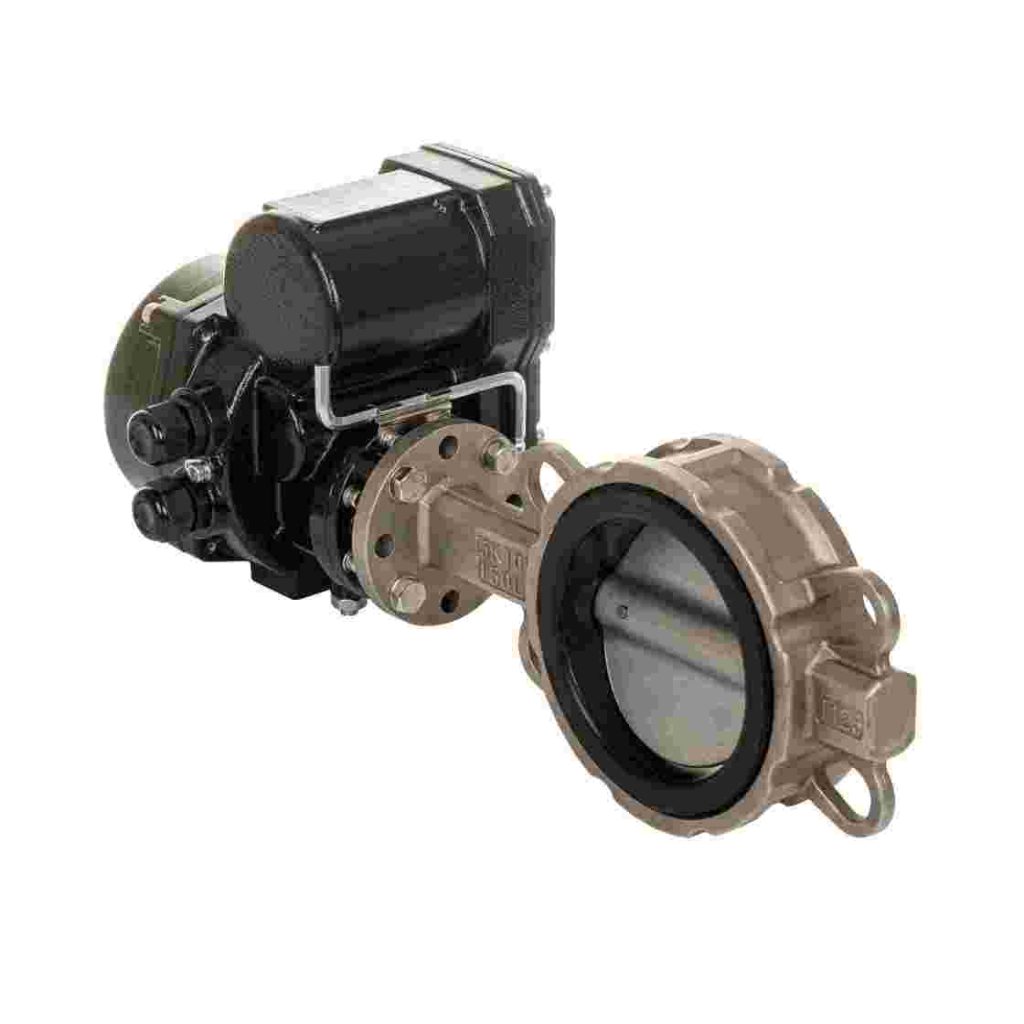
In recent years, hydrogen energy has emerged as a promising solution to address global energy challenges, especially in the pursuit of clean, renewable energy sources. As the world shifts towards hydrogen as a key fuel source, the need for specialized components to ensure the safe and efficient management of hydrogen systems has grown significantly. Among these critical components is the Hydrogen Energy Electric Clamp Butterfly Valve, a key element that plays a vital role in controlling the flow of hydrogen in various energy applications. This article explores the importance, design features, and applications of the hydrogen energy electric clamp butterfly valve in the evolving field of hydrogen infrastructure.
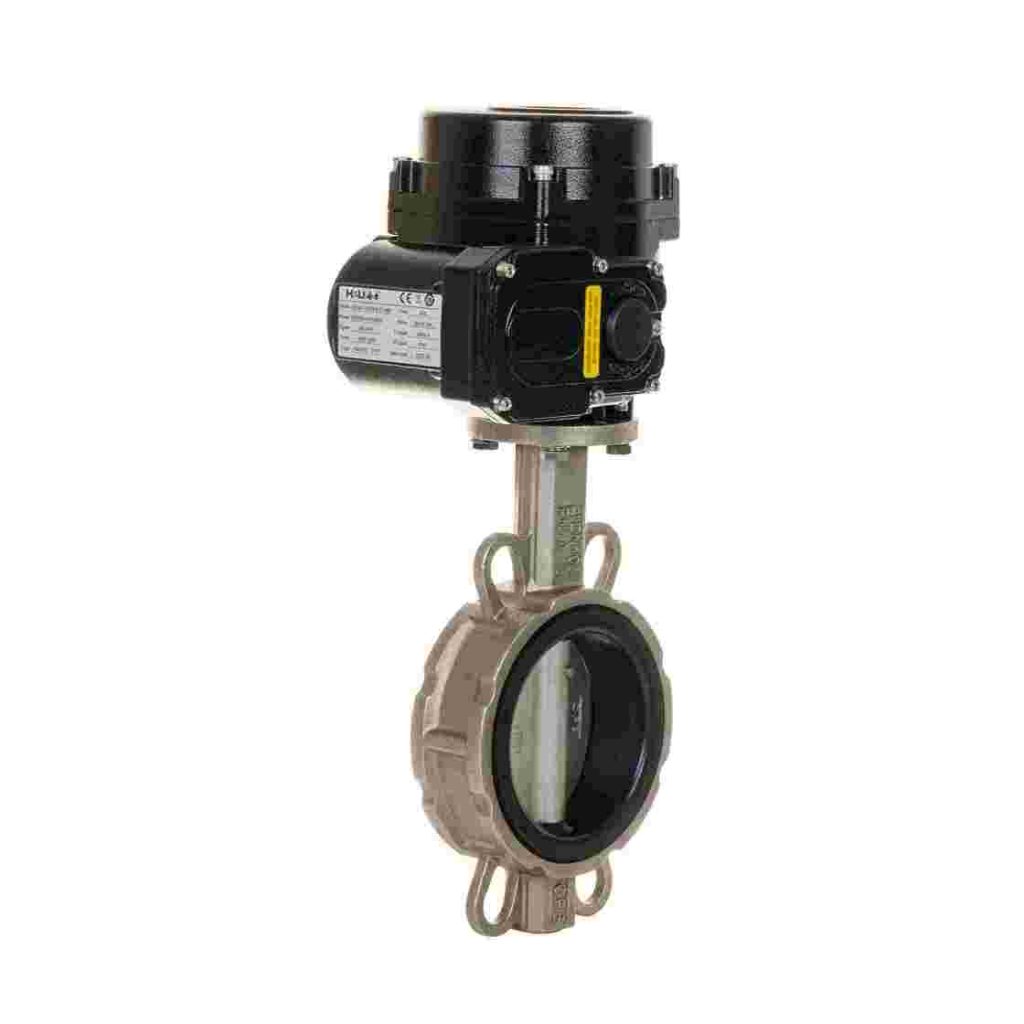
What is a Hydrogen Energy Electric Clamp Butterfly Valve?
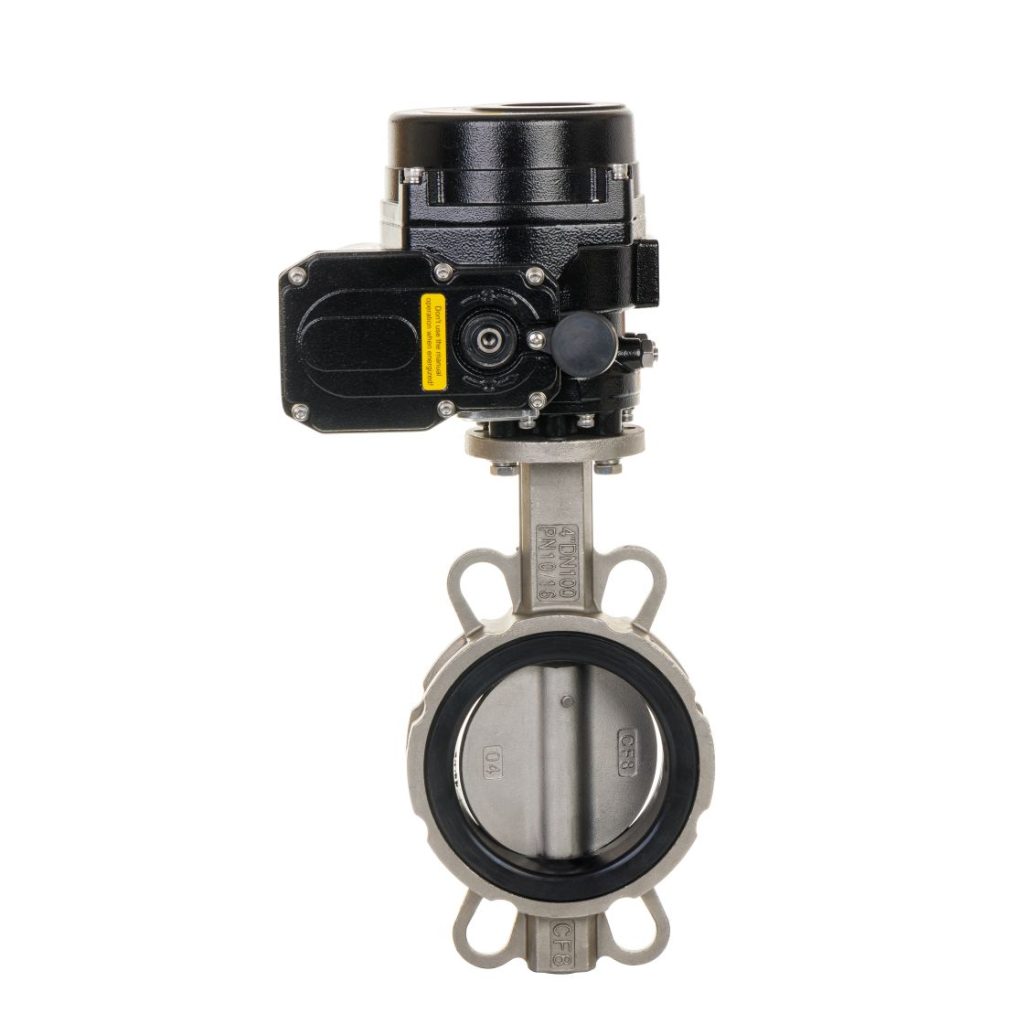
A Hydrogen Energy Electric Clamp Butterfly Valve is a specialized type of valve used to regulate the flow of hydrogen gas in pipelines, storage units, and other components of hydrogen energy systems. This valve combines several essential features: a butterfly valve design, electric actuation, and a clamp connection system. The result is a highly efficient, flexible, and safe valve designed specifically for the unique challenges of hydrogen transportation and storage. Design and Functionality The Butterfly Valve mechanism is a key design feature of this valve type. It consists of a disc or vane that is positioned in the center of the pipeline, perpendicular to the flow of hydrogen. When the valve is open, the disc rotates and aligns with the flow path, allowing the gas to flow freely. When closed, the disc blocks the flow, creating a tight seal to prevent the escape of hydrogen. This simple yet effective mechanism ensures precise control over the flow of gas.