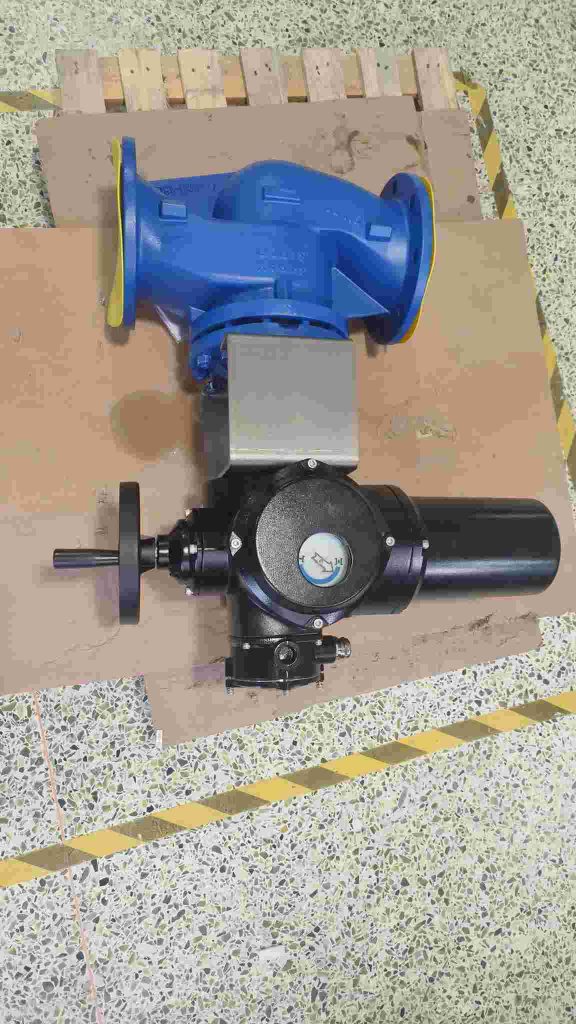
Hydrogen energy is emerging as one of the most promising sources of clean energy in the modern world. With its potential to reduce carbon emissions and provide sustainable power, hydrogen is seen as a key player in the transition to a greener future. However, like any energy system, hydrogen systems require specialized components to ensure safety, efficiency, and reliability. One such component is the Hydrogen Energy Electric Bellows Stop Valve, a critical valve used in the hydrogen industry to control the flow of hydrogen gas in pipelines, storage systems, and fueling stations. This article explores the importance of this valve, its design features, and its role in the hydrogen energy sector.
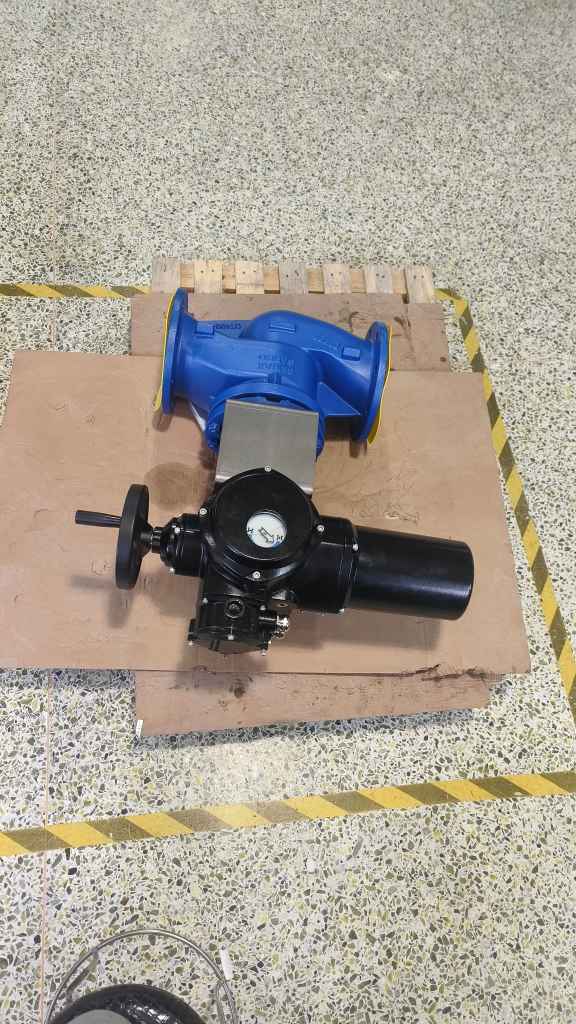
Understanding the Hydrogen Energy Electric Bellows Stop Valve
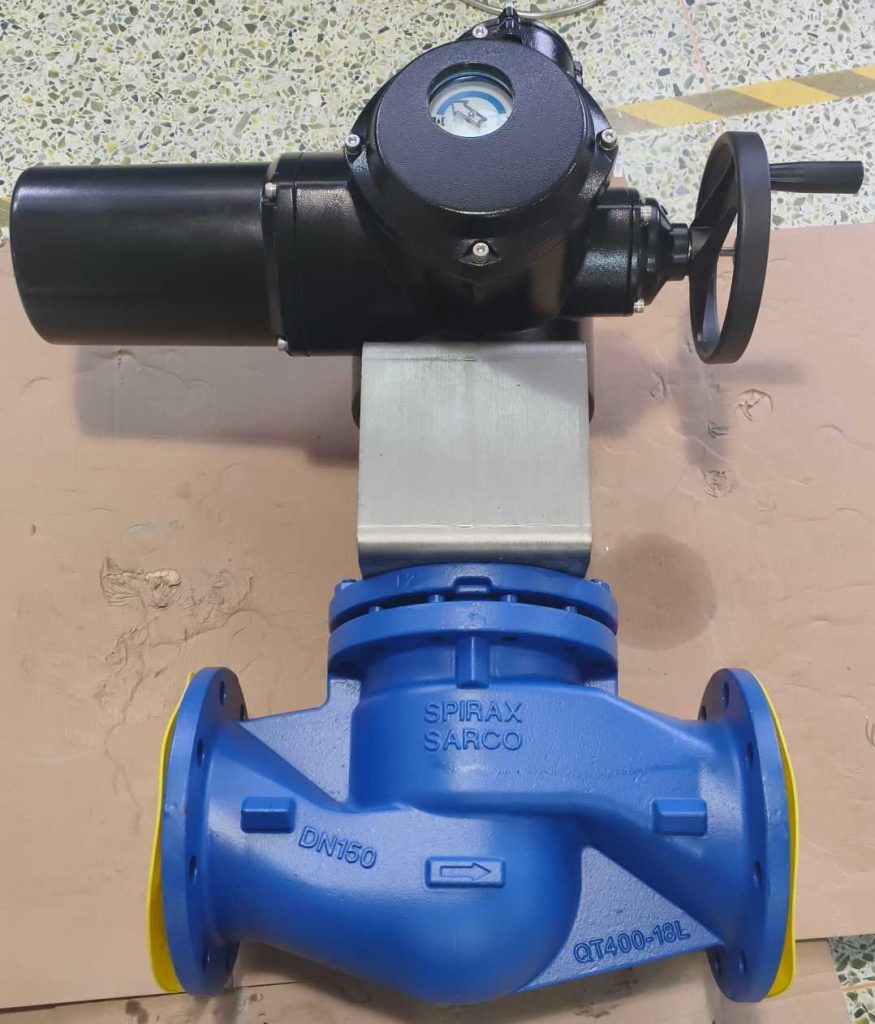
The Hydrogen Energy Electric Bellows Stop Valve is a specialized type of valve designed to control the flow of hydrogen gas within a system. It combines two essential features: electric control and bellows sealing. The valve is part of a larger infrastructure that handles the storage, transport, and use of hydrogen, which is a highly flammable and potentially hazardous gas. Ensuring that the valve operates effectively is crucial for preventing accidents such as leaks or system failures. Electric Control Mechanism: Unlike traditional manual valves, the electric bellows stop valve is operated remotely via an electric actuator. The electric actuator is controlled by an external signal, often from a central control system. This allows for precise and automated control of the valve, which is essential in modern industrial applications where automation and safety are paramount. The ability to remotely control the valve provides operational flexibility, allowing for adjustments to be made quickly in response to changing conditions within the system.