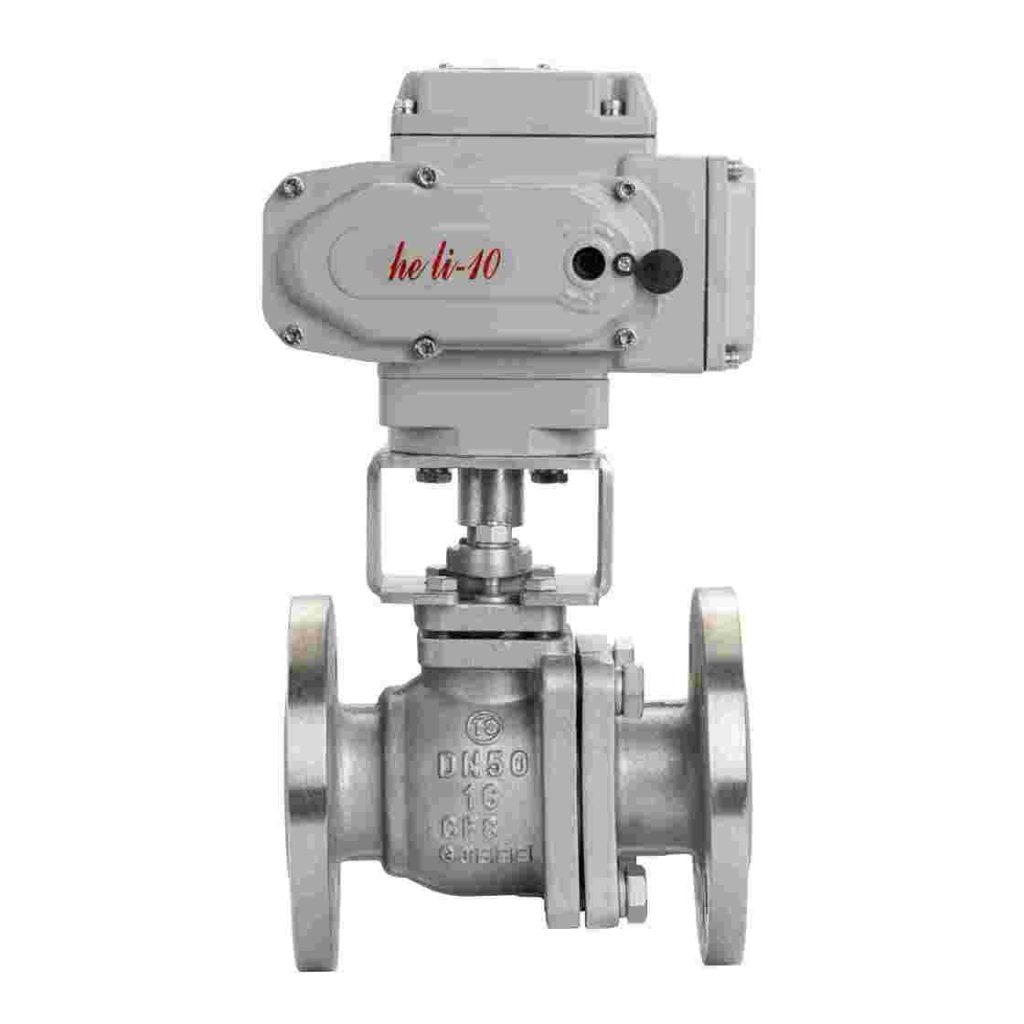
In the rapidly growing hydrogen energy sector, one of the critical challenges is ensuring the safe and efficient flow of hydrogen gas, especially given its highly reactive and corrosive nature. The Hydrogen Energy Electric Anti-Corrosion Ball Valve plays a pivotal role in addressing these challenges, offering both advanced corrosion resistance and reliable performance for hydrogen transport and storage systems. As the world continues to invest in clean energy alternatives, the demand for specialized equipment like electric anti-corrosion ball valves is expected to increase significantly. This article explores the importance, design features, and applications of the Hydrogen Energy Electric Anti-Corrosion Ball Valve in hydrogen systems.
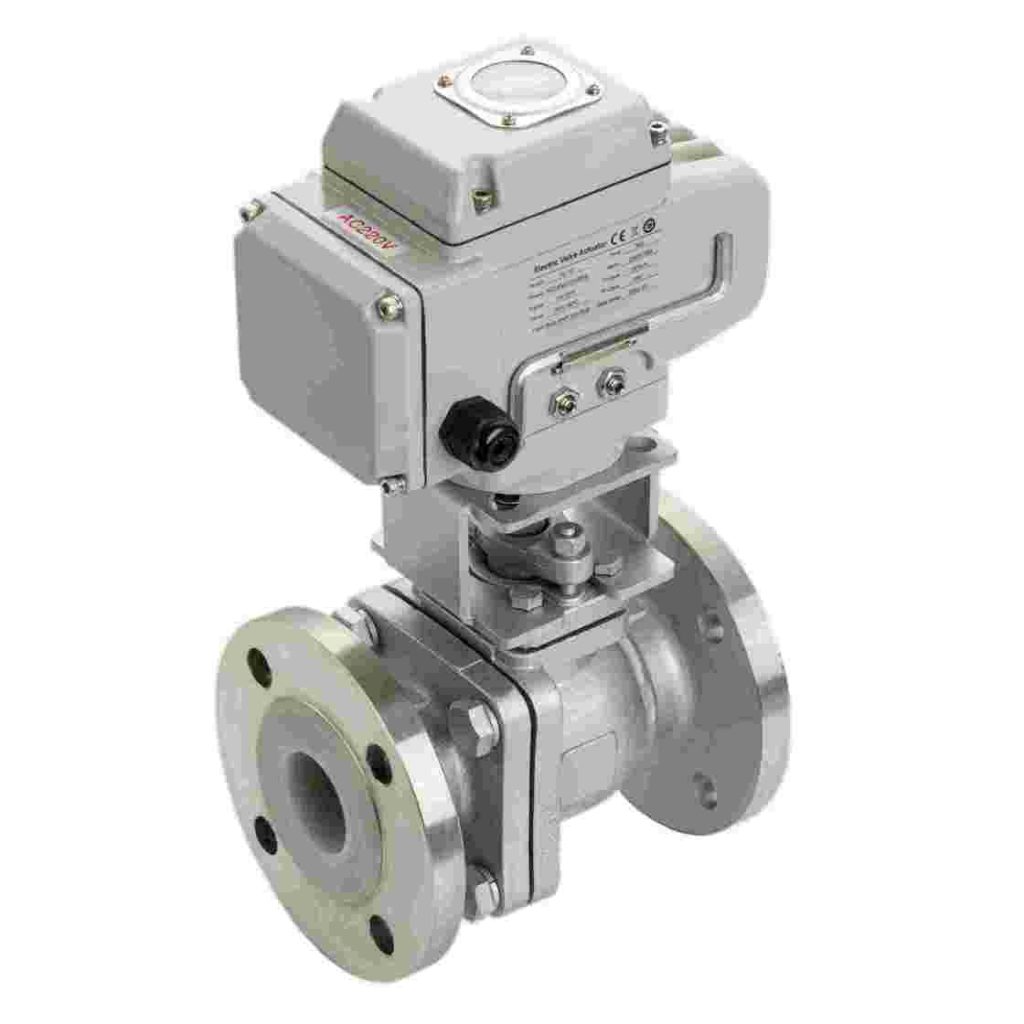
What is a Hydrogen Energy Electric Anti-Corrosion Ball Valve?
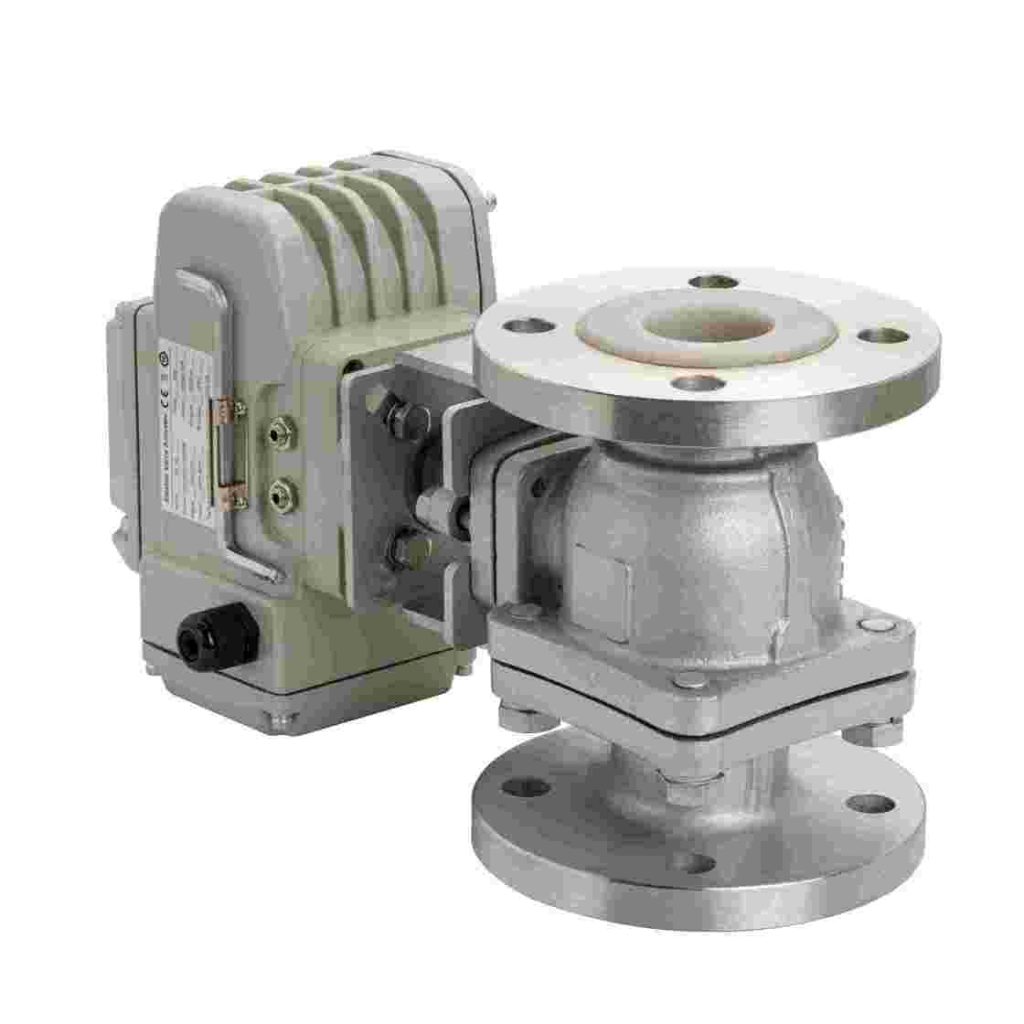
A Hydrogen Energy Electric Anti-Corrosion Ball Valve is a specialized valve designed for use in hydrogen systems. Its primary function is to control the flow of hydrogen gas while ensuring the valve’s materials can withstand the corrosive effects of hydrogen. These valves are equipped with electric actuators, allowing for remote control and automation, which is especially crucial for industrial-scale hydrogen applications. The corrosion resistance of these valves is a vital feature due to hydrogen’s tendency to cause damage to standard materials, leading to failure or degradation of valve components.