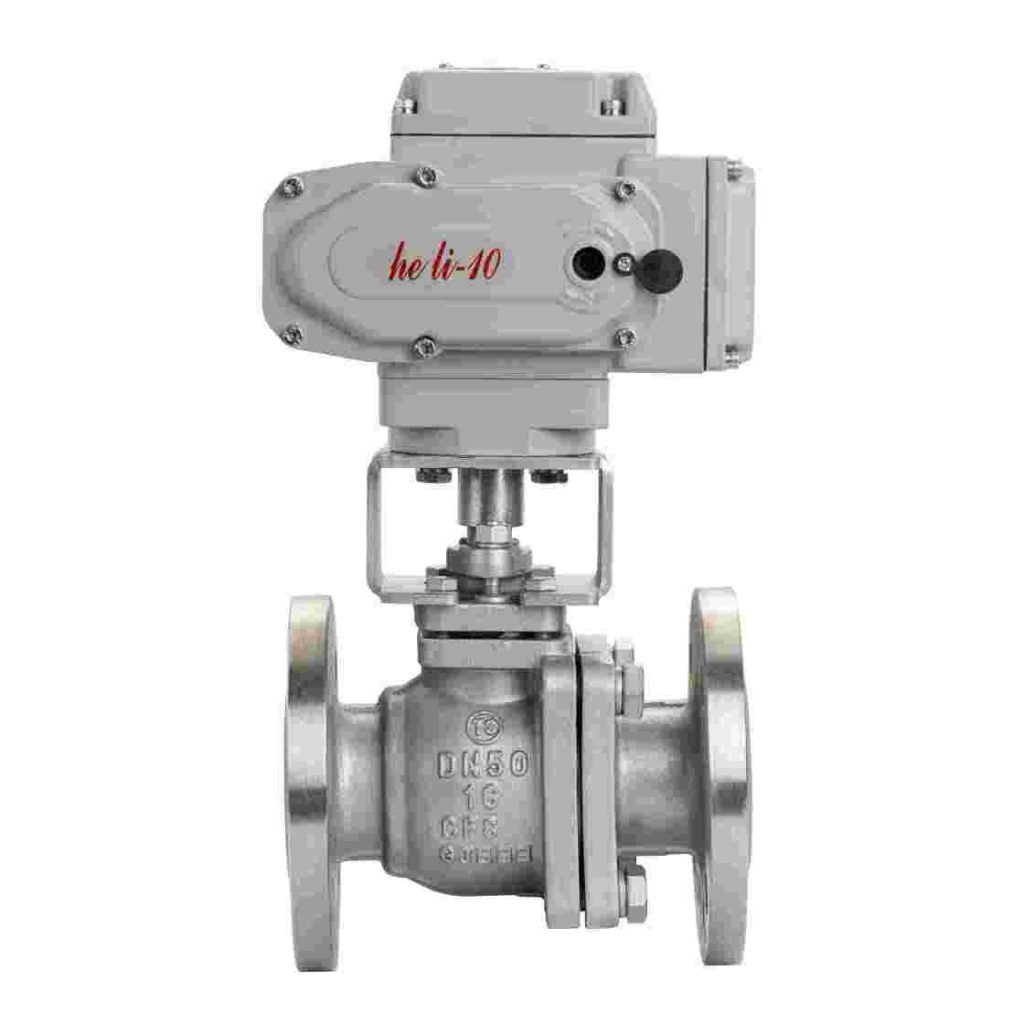
In the rapidly evolving world of sustainable energy, hydrogen has emerged as one of the most promising alternatives to traditional fossil fuels. With its clean energy potential, hydrogen is gaining significant attention in a variety of sectors, including power generation, transportation, and industrial processes. As hydrogen energy systems continue to grow in importance, the need for reliable, efficient, and durable components becomes crucial. One such component that plays a vital role in the transportation and storage of hydrogen is the Hydrogen Energy Electric Anti-Corrosion Ball Valve.
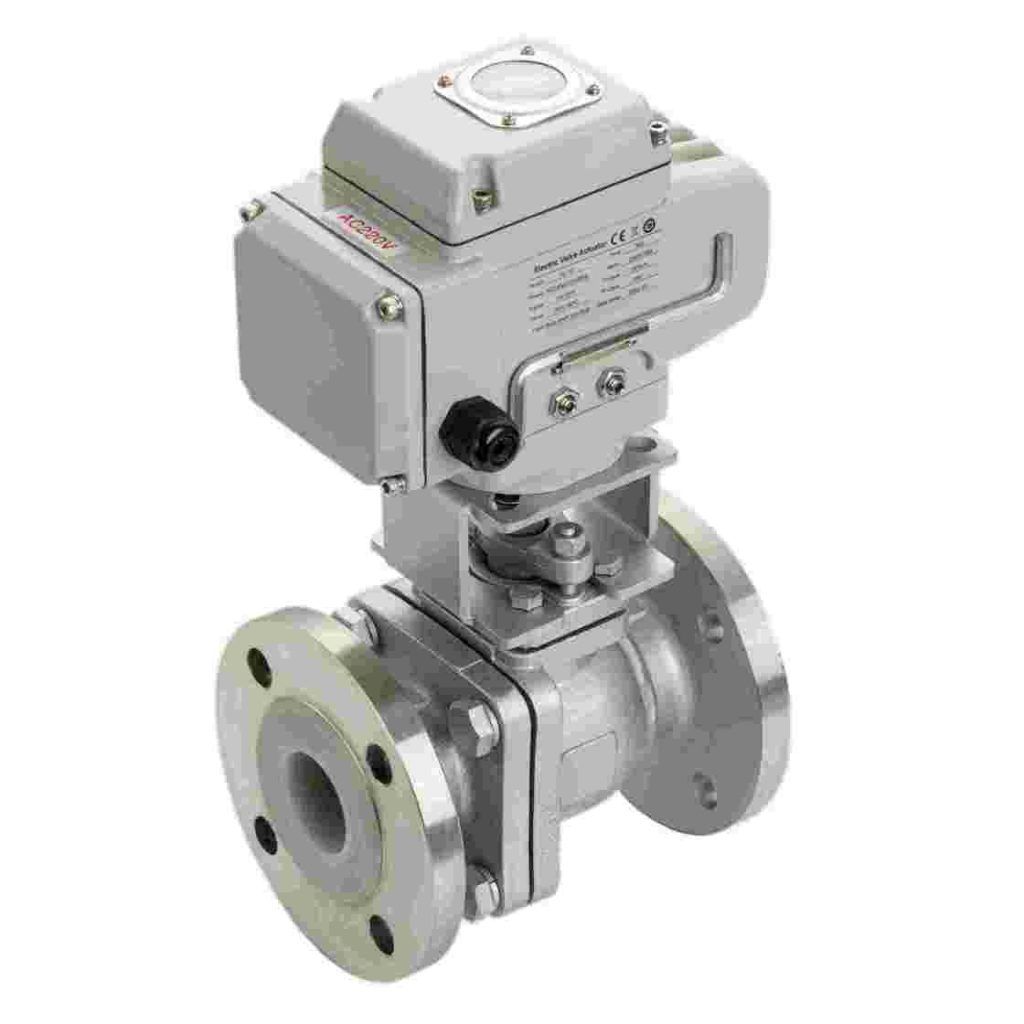
The Role of Ball Valves in Hydrogen Energy Systems
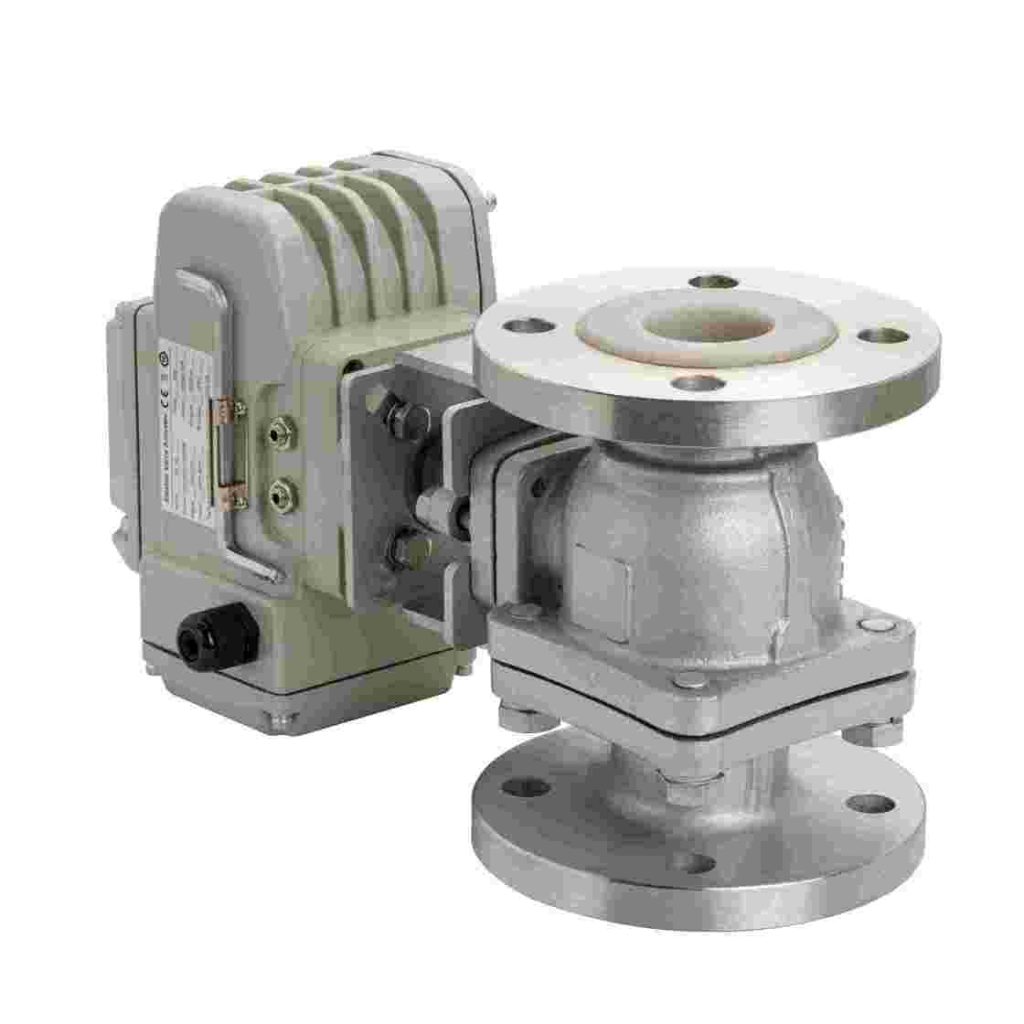
Valves are essential components in any fluid or gas transportation system. In the case of hydrogen energy, the primary function of a valve is to control the flow of hydrogen gas, ensuring its safe, efficient, and precise delivery through pipelines or storage units. The ball valve, a common type of valve used in industrial applications, is particularly well-suited for this task due to its simple yet effective mechanism. It consists of a spherical disc (or ball) with a hole in the center that rotates to control fluid flow. When the hole aligns with the pipeline, hydrogen can flow freely; when the valve is closed, the flow is stopped.