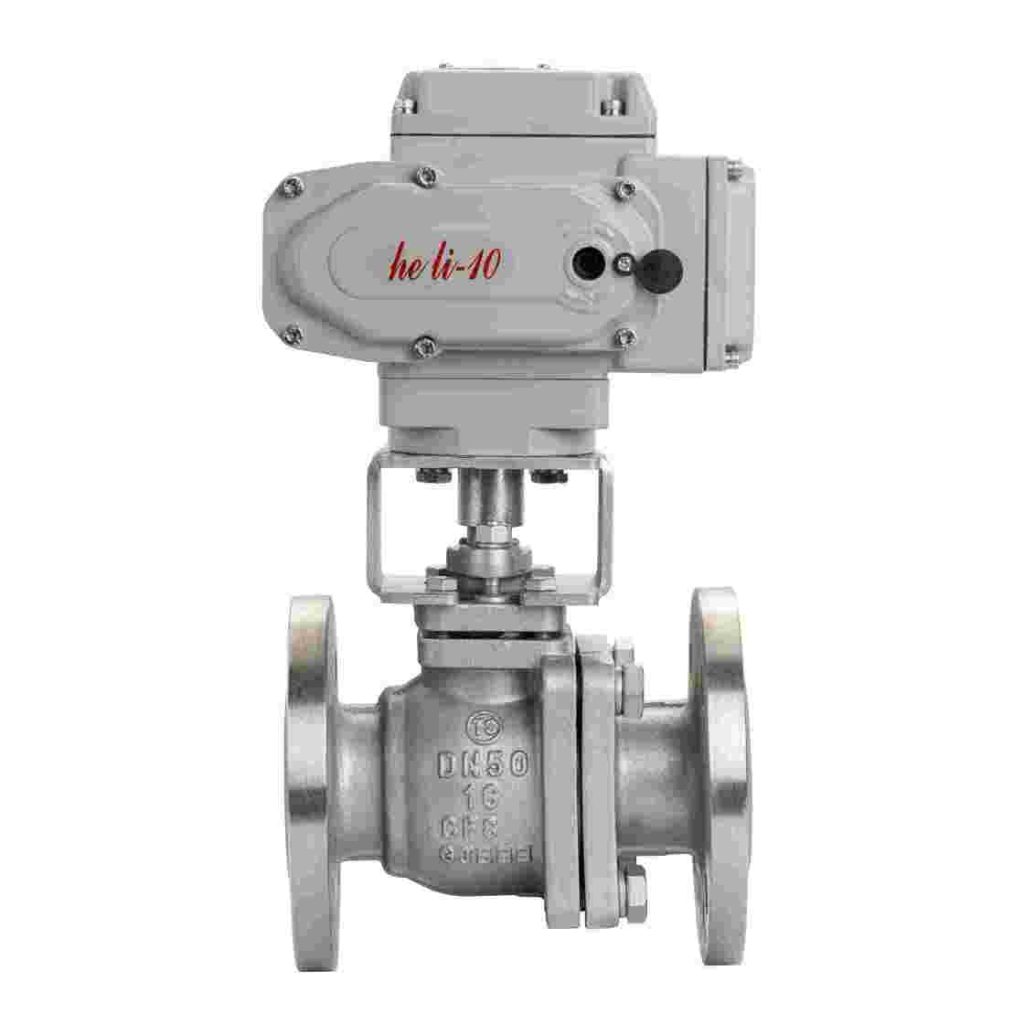
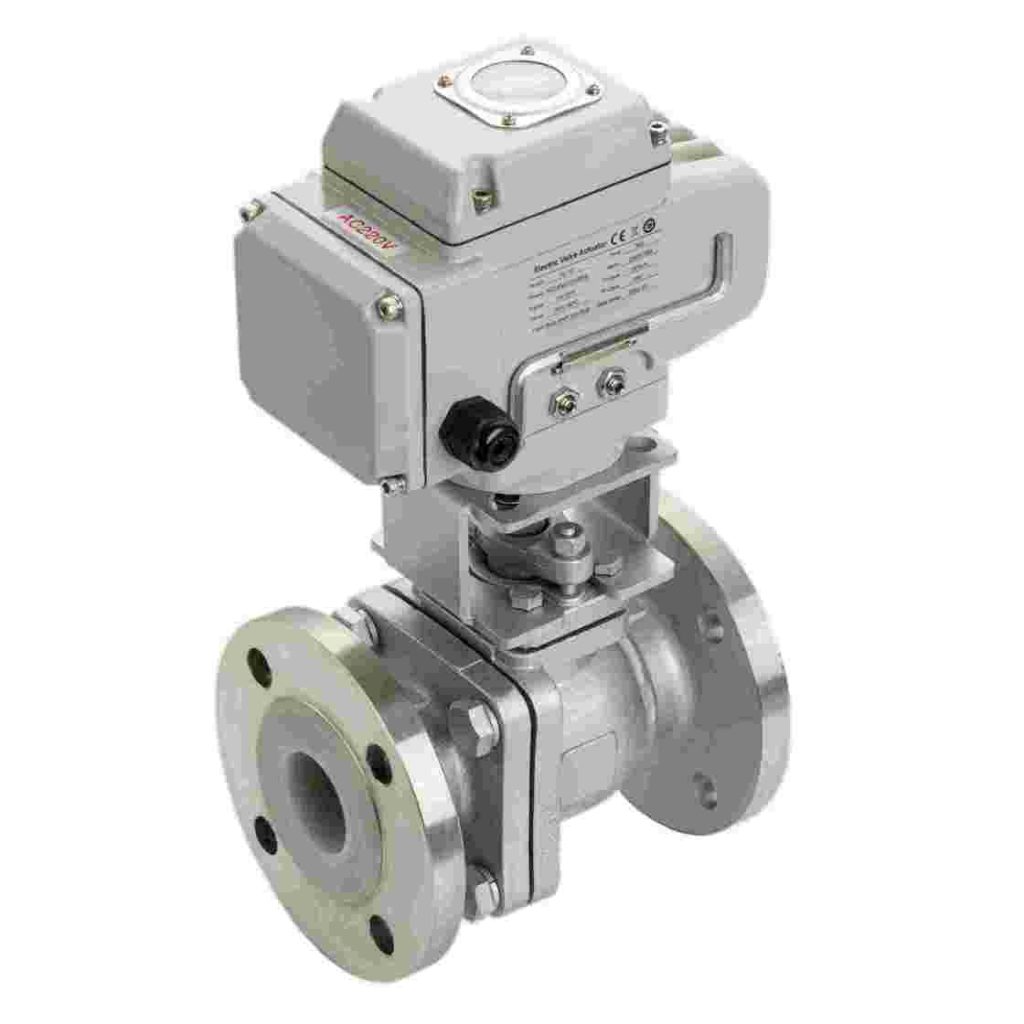
In recent years, the world has been increasingly turning to sustainable energy sources, with hydrogen energy gaining particular attention as a clean, efficient, and eco-friendly alternative to traditional fossil fuels. As industries and governments push for green energy solutions, the need for advanced technologies that can effectively support hydrogen energy systems has become paramount. One such innovation is the Hydrogen Energy Electric Anti-Corrosion Ball Valve, which plays a crucial role in ensuring the efficient, safe, and long-lasting operation of hydrogen-powered systems.
The Significance of Hydrogen Energy
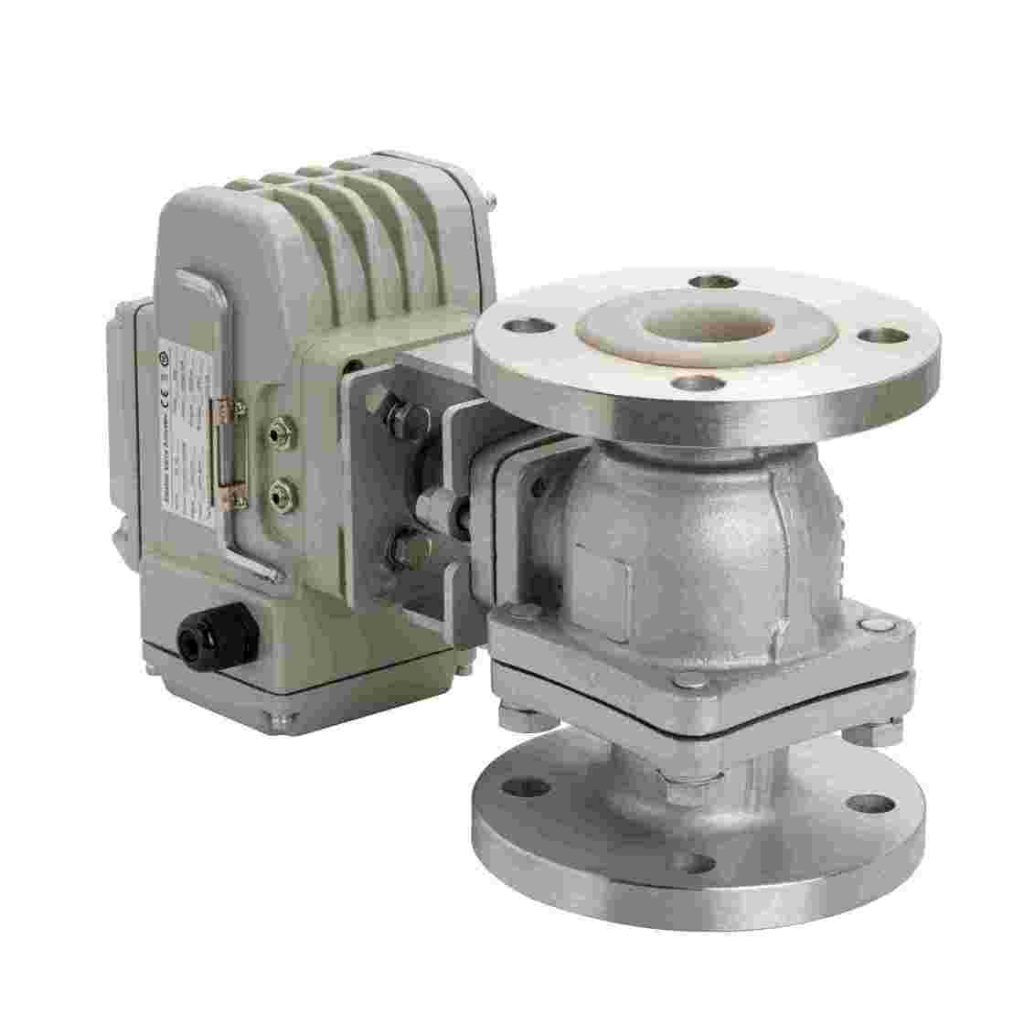
Hydrogen energy, primarily used in fuel cells and industrial processes, is rapidly emerging as a key component of the transition to a low-carbon economy. Hydrogen fuel cells are used in various applications, from powering vehicles and machinery to providing energy for homes and businesses. However, hydrogen is highly reactive, making its storage and transportation challenging. To safely handle hydrogen, advanced materials and components are required to withstand the unique demands of this energy carrier. The Role of Ball Valves in Hydrogen Energy Systems In hydrogen energy systems, valves are essential components that control the flow of hydrogen, ensuring proper pressure regulation and safe transportation. Among the different types of valves used in these systems, ball valves are particularly important due to their durability, reliability, and precise flow control capabilities. A ball valve consists of a spherical ball with a hole through its center. When the valve is open, hydrogen can flow freely through the hole; when it is closed, the ball’s solid surface blocks the flow. Ball valves are used in pipelines, tanks, and various equipment within hydrogen energy systems.