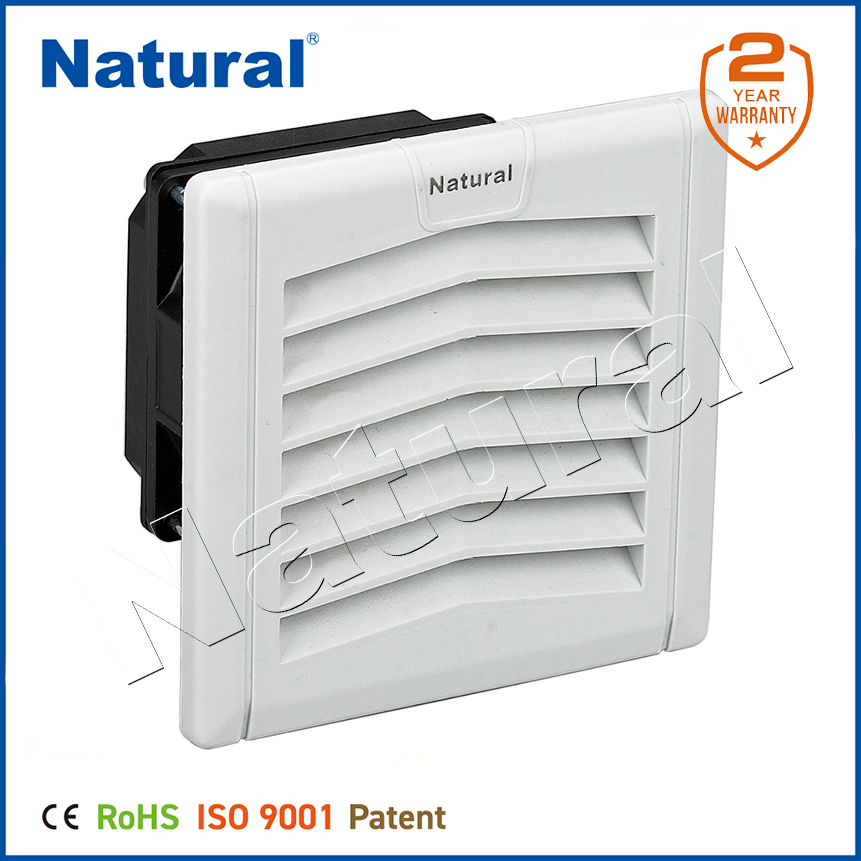
Air quality plays a significant role in maintaining a healthy environment, especially in spaces where cleanliness and safety are critical. From hospitals to clean rooms, the need for efficient air filtration is undeniable. This is where Fan Air System Ventilation HEPA Filters come into play, offering a powerful solution to improve indoor air quality. These systems combine the effectiveness of HEPA (High-Efficiency Particulate Air) filters with the ventilation capabilities of fan-driven airflow systems, ensuring the removal of harmful particles and contaminants from the air. In this article, we explore the importance of these systems and how they contribute to cleaner, safer air in various applications.
What is a Fan Air System Ventilation HEPA Filter?
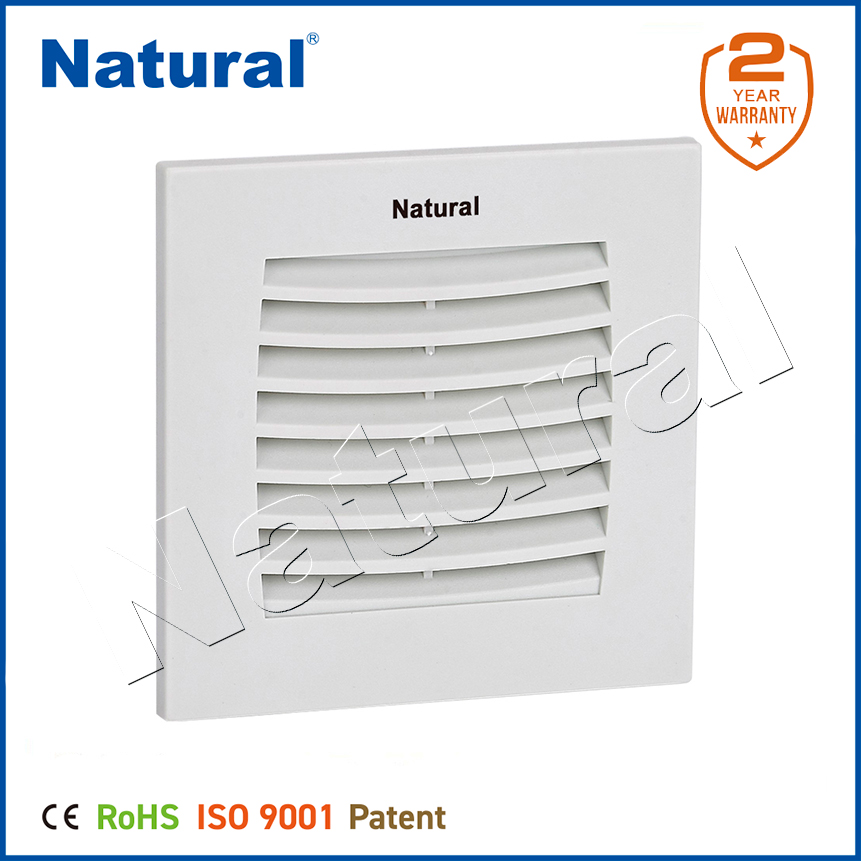
A Fan Air System Ventilation HEPA filter is a sophisticated air filtration system that uses a fan to circulate and push air through a high-efficiency HEPA filter. The fan is responsible for generating airflow, which is crucial in pulling air through the filter, while the HEPA filter captures airborne particles, such as dust, pollen, smoke, bacteria, and viruses. The combination of these two components makes the system highly effective in environments that require stringent air quality standards. HEPA filters are designed to capture particles as small as 0.3 microns with an efficiency of at least 99.97%. This means that a HEPA filter can trap a vast majority of airborne contaminants, which would otherwise be difficult to eliminate using standard filtration methods. When paired with a fan air system, these filters ensure that contaminated air is continuously drawn in, filtered, and expelled as clean, purified air.