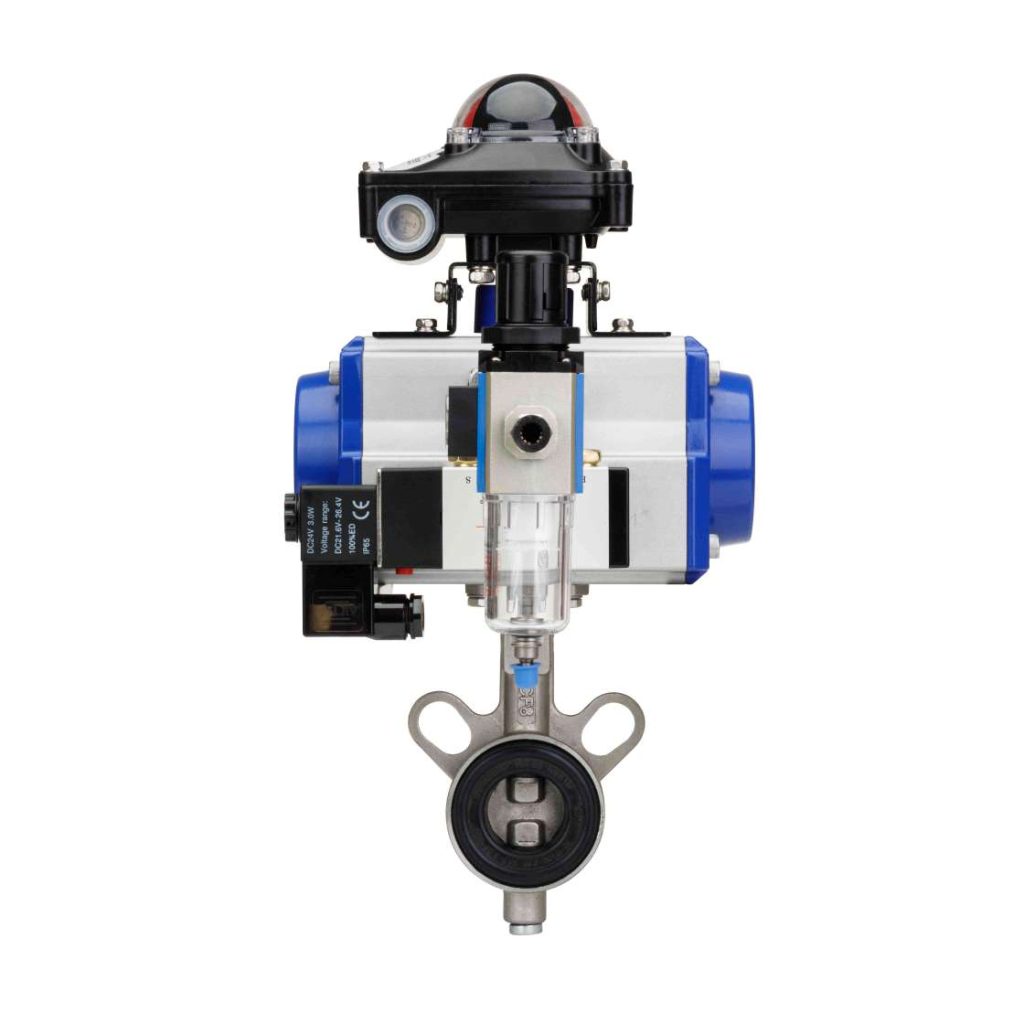
In industries where flammable gases, chemicals, or other hazardous materials are present, ensuring safety and preventing explosions is of paramount importance. One critical component that plays a vital role in maintaining such safety is the Explosion-proof Pneumatic Butterfly Valve. This type of valve is designed to regulate the flow of various substances while minimizing the risk of sparks or electrical faults that could trigger an explosion in high-risk environments. This article will explore the features, applications, and benefits of explosion-proof pneumatic butterfly valves, as well as the technologies that make them suitable for such critical tasks.
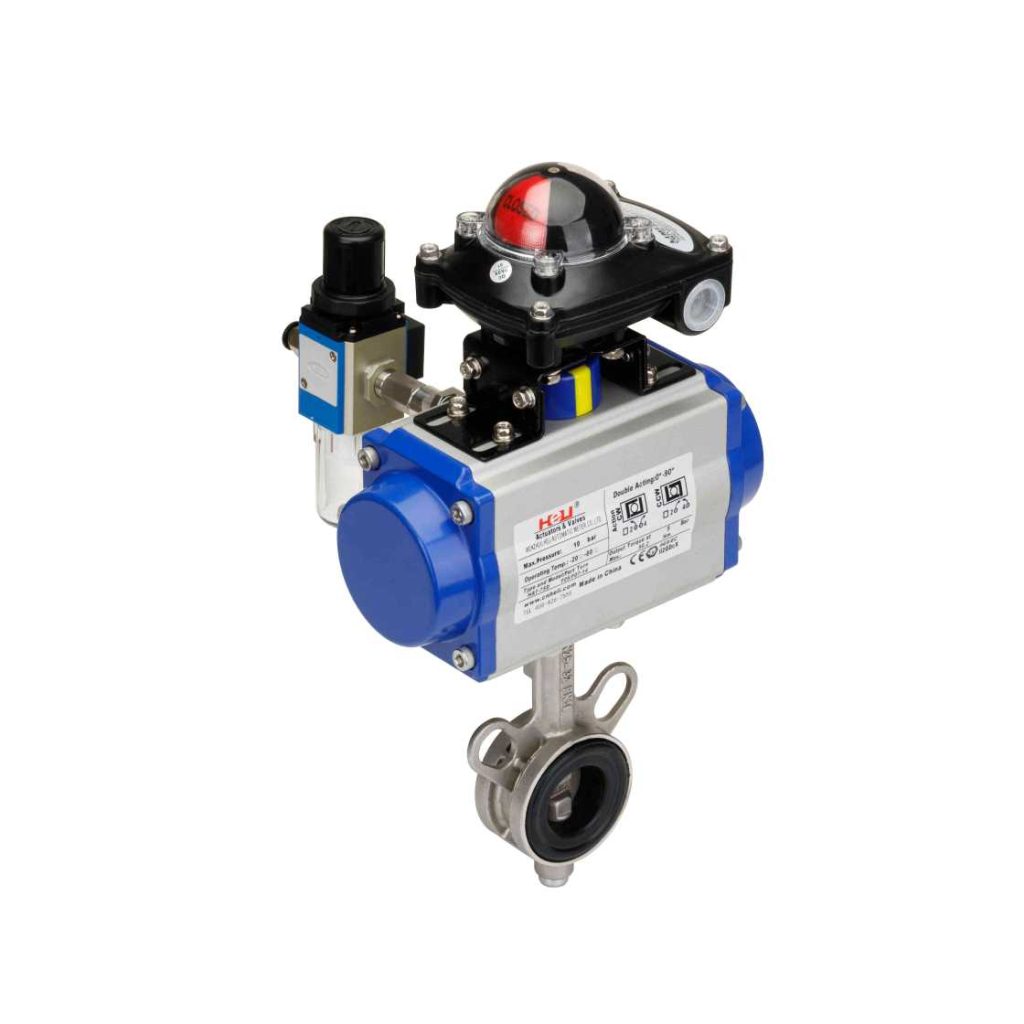
What is an Explosion-proof Pneumatic Butterfly Valve?
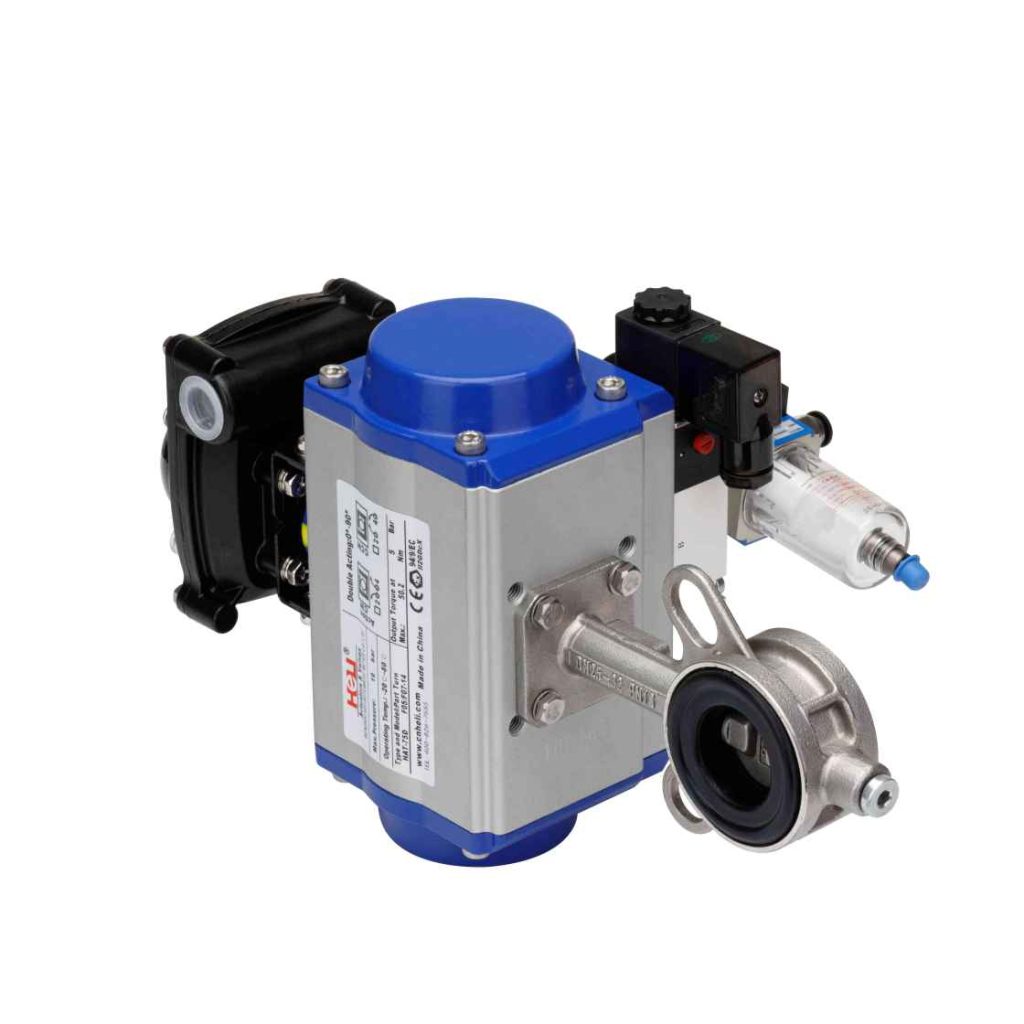
An explosion-proof pneumatic butterfly valve is a valve operated by pneumatic pressure (compressed air) that is specifically designed for use in environments where there is a risk of explosion. The key feature of these valves is their ability to prevent ignition sources, such as sparks, from escaping and causing a fire or explosion in volatile atmospheres. This is achieved through specially engineered materials, explosion-proof actuators, and robust sealing mechanisms that prevent the escape of any potential ignition sources. Pneumatic butterfly valves, in general, are widely used for controlling the flow of fluids (gas, liquids, or slurries) in various industrial systems. They are characterized by a simple yet effective mechanism where a rotating disc (the butterfly) within the valve body controls the flow. When combined with explosion-proof features, they offer both efficient operation and enhanced safety for sensitive operations.