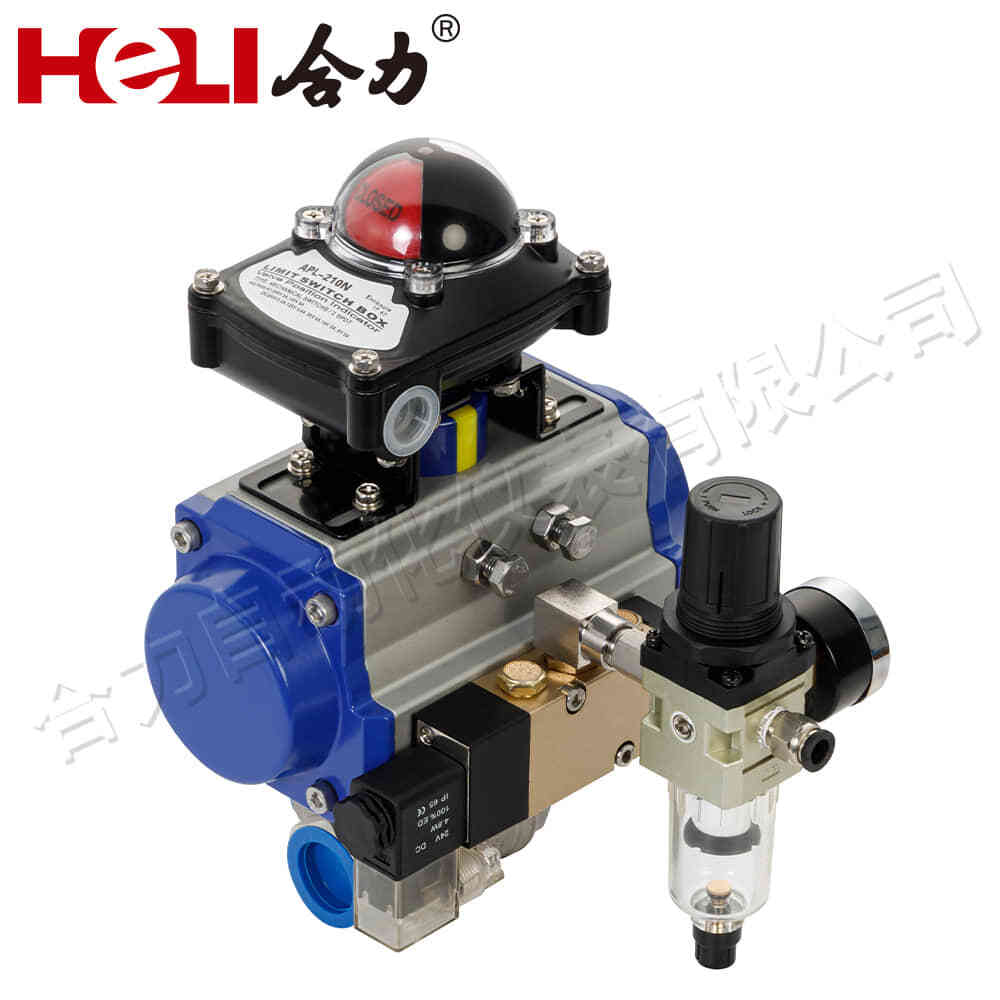
Explosion-proof pneumatic actuators play a critical role in ensuring safe and efficient operations in hazardous environments. With their ability to function in volatile and explosive atmospheres, these actuators are indispensable in industries such as petrochemical, mining, pharmaceuticals, and wastewater treatment. This article explores the key features, working principles, and applications of explosion-proof pneumatic actuators, shedding light on their importance in maintaining safety while enhancing operational efficiency.
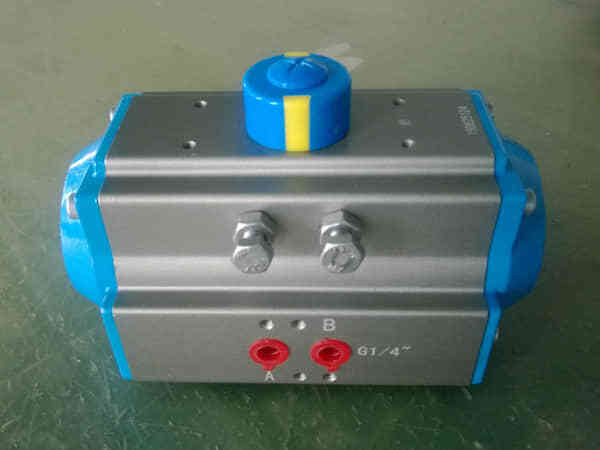
What is an Explosion-proof Pneumatic Actuator?
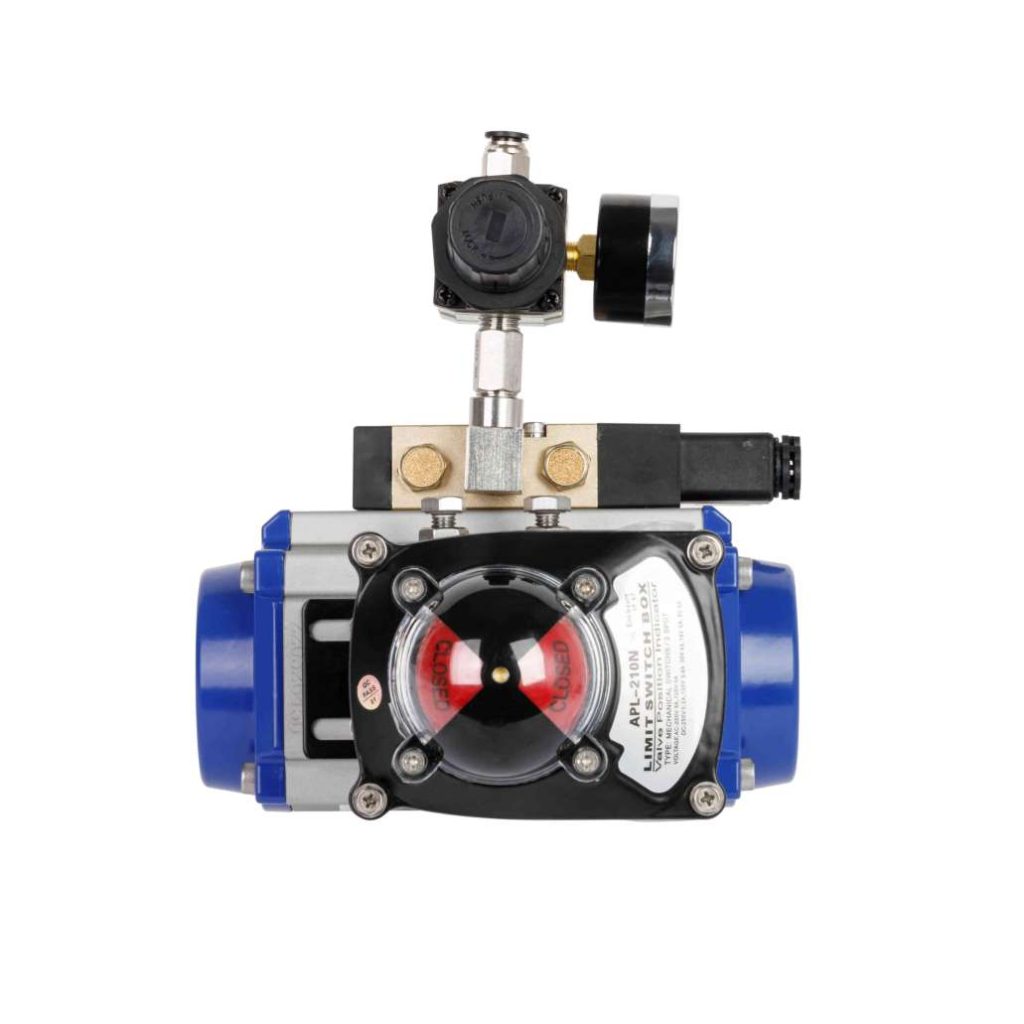
An explosion-proof pneumatic actuator is a mechanical device that utilizes compressed air to operate machinery or valves, specifically designed to function safely in environments where there is a high risk of explosions. These actuators are built to meet stringent safety standards that prevent the ignition of flammable gases, vapors, or dust that could lead to catastrophic explosions. They are commonly used to control valves in industrial systems, ensuring smooth automation while safeguarding personnel and equipment. Key Features and Components Explosion-proof Construction: The most important feature of these actuators is their explosion-proof design. They are constructed with materials and technologies that prevent any ignition sources, such as sparks or electrical arcs, from escaping the actuator and reaching the surrounding hazardous environment. These actuators meet global explosion-proof standards like ATEX (Europe) and IECEx (International), ensuring they are safe for use in high-risk zones.