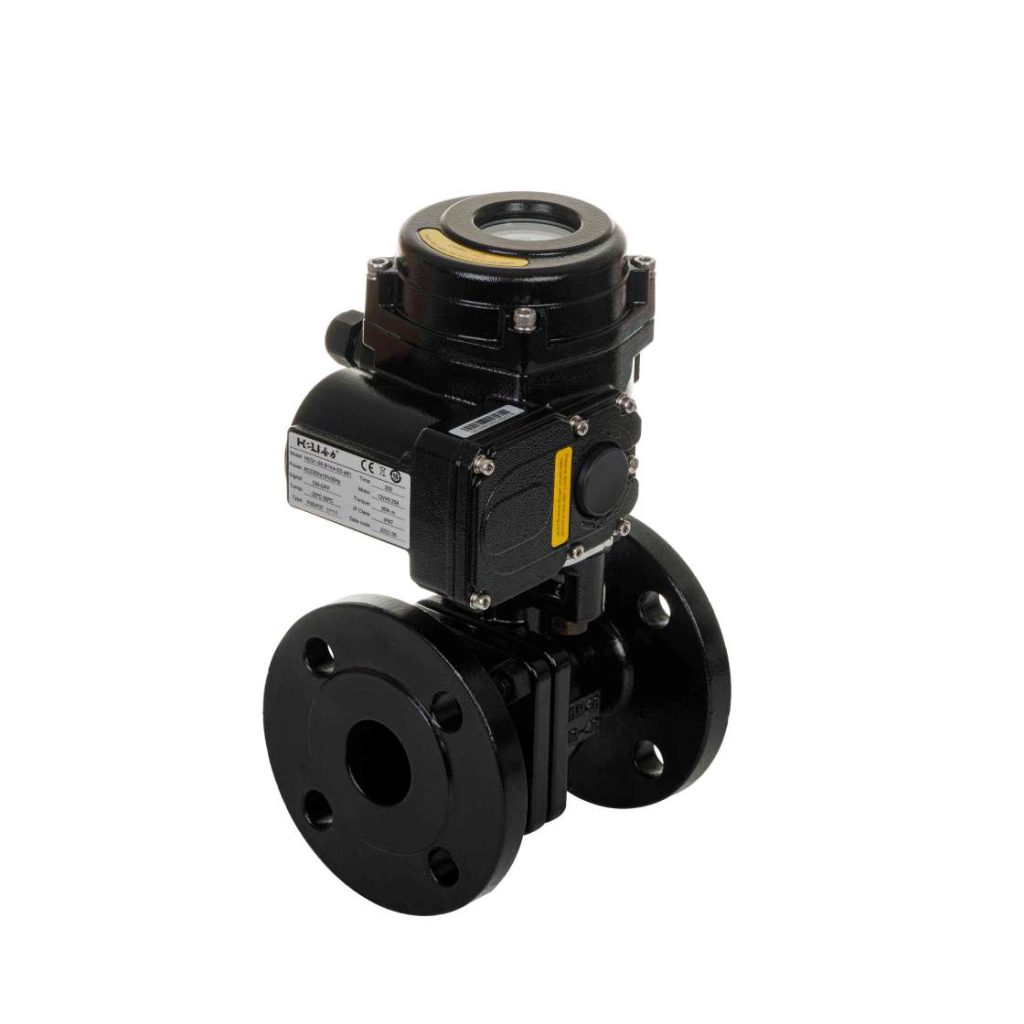
In industries where hazardous materials or volatile substances are handled, safety and reliability are paramount. Among the many safety devices used in such environments, explosion-proof electric valves play a crucial role in ensuring that operations continue smoothly without posing a risk to personnel, equipment, or the surrounding environment. The term “explosion-proof” refers to the valve’s design and construction, which allows it to operate safely in environments that are prone to explosions or fires. This article explores the importance, features, and applications of explosion-proof electric valves, as well as the standards that govern their use.
Understanding Explosion-proof Electric Valves
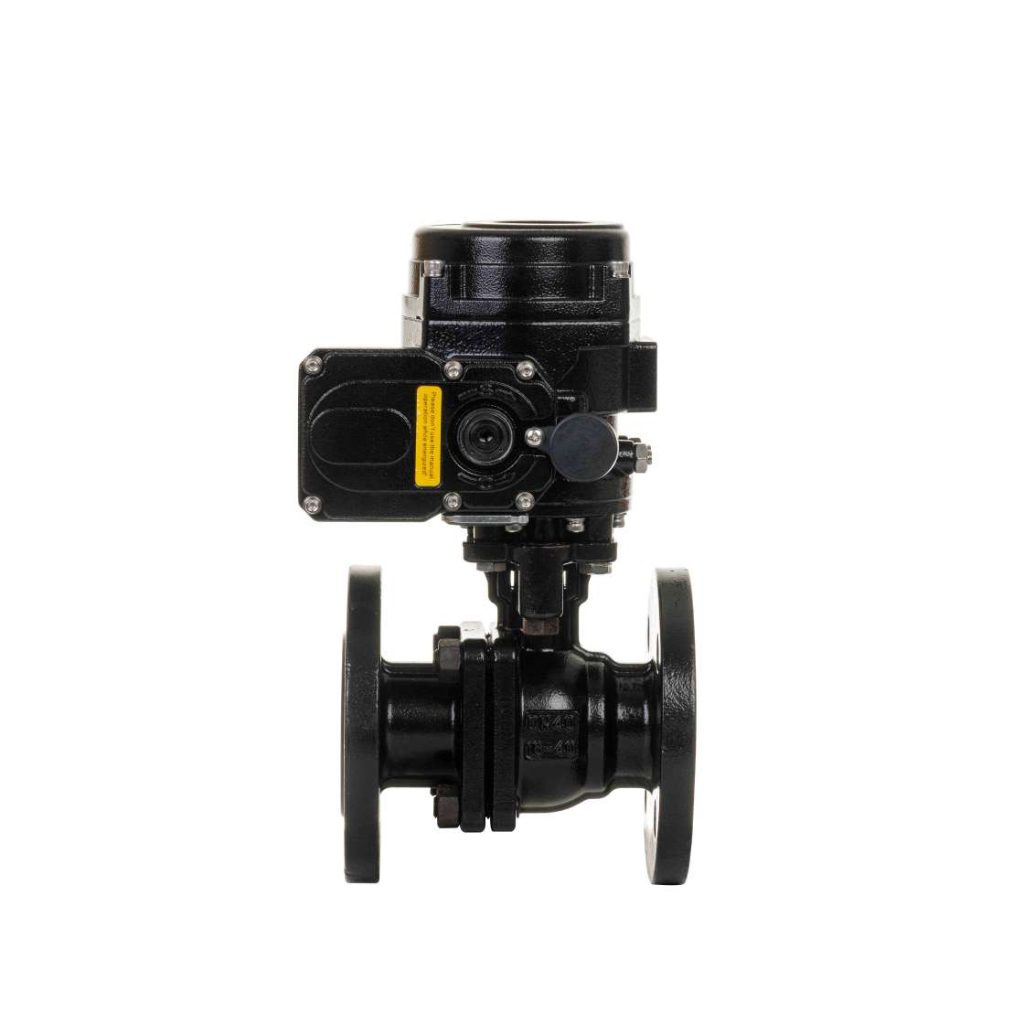
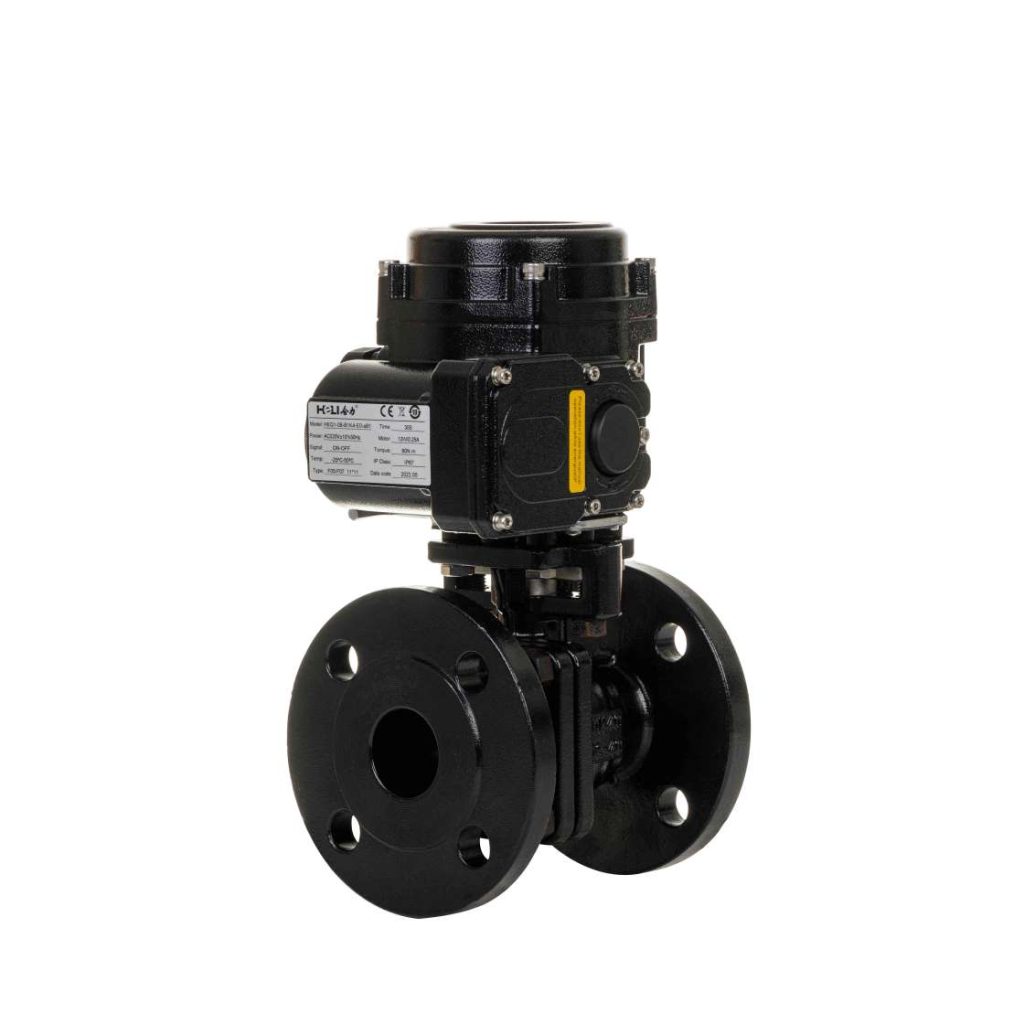
An explosion-proof electric valve is designed to regulate the flow of liquids, gases, or vapors in hazardous environments while preventing the ignition of flammable or explosive substances. These valves are specifically engineered to resist the forces of an explosion within the valve casing, preventing it from spreading into the surrounding environment. This makes them an essential safety feature in industries such as chemical manufacturing, oil and gas, pharmaceuticals, and food processing. The valve is equipped with an electric actuator that allows for remote or automated control, eliminating the need for manual operation in dangerous areas. The actuator is powered by an electric motor and, in explosion-proof models, is housed in a specially constructed enclosure that ensures no sparks or heat escape, even under extreme conditions.