The explosion-proof electric single seat regulating valve is a critical component in various industrial processes, particularly in sectors that involve flammable or hazardous materials. This type of valve is meticulously designed to ensure both safety and efficiency in fluid regulation, making it an indispensable tool in modern automation systems. This article will delve into the significance, functionality, applications, and advantages of explosion-proof electric single seat regulating valves.
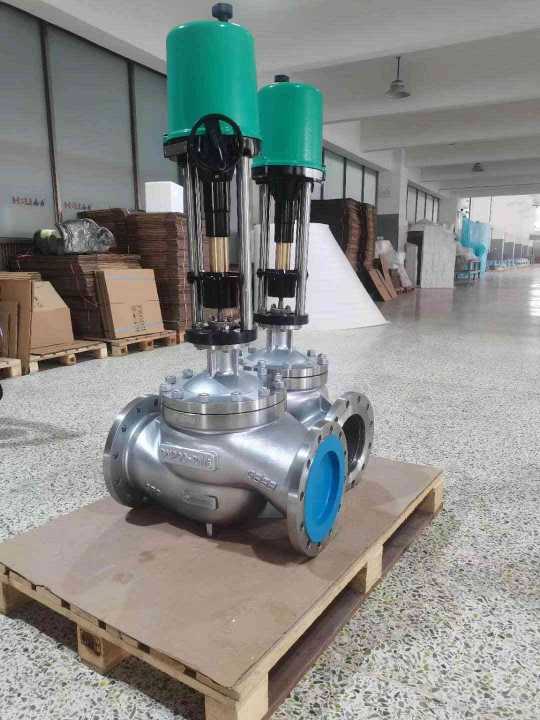
Functionality and Design At its core, an explosion-proof electric single seat regulating valve combines the principles of fluid dynamics with advanced electrical control mechanisms. The “single seat” design implies that the valve has a single seating surface, which not only reduces the risk of leakage but also simplifies maintenance procedures. The valve operates by adjusting the flow of fluids based on the signals received from the control system, allowing for precise regulation of flow rates, pressure, and temperature. One of the most crucial features of this valve type is its explosion-proof certification. This certification guarantees that the valve can operate safely in explosive atmospheres, preventing potential ignition sources from escaping. Typically, explosion-proof valves are constructed with durable materials, such as stainless steel or carbon steel, and come with carefully designed seals and enclosures that further enhance their safety profile.