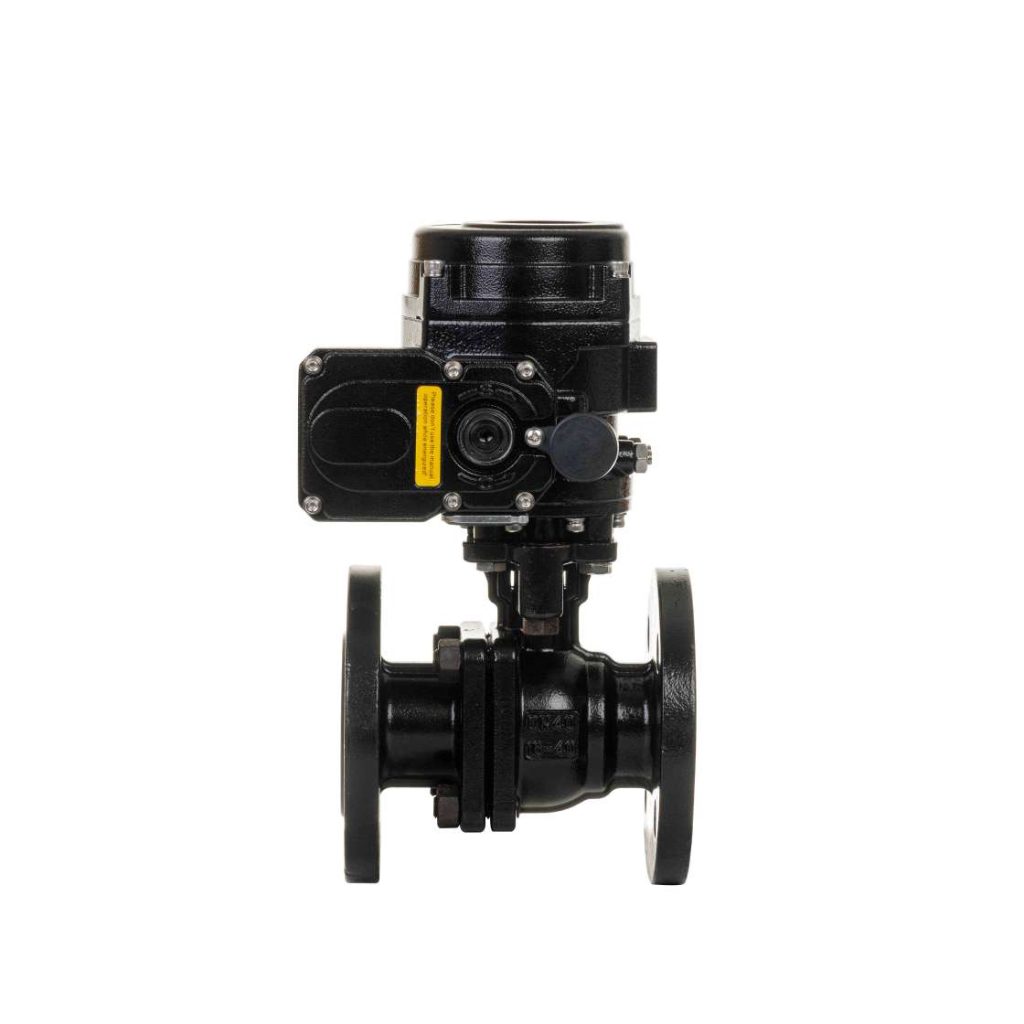
The Explosion-proof Electric Flange Ball Valve is a critical component in various industries, providing both flow control and safety in hazardous environments. It combines the convenience of electric actuation with the reliable sealing properties of a ball valve, all while ensuring that the system can withstand explosive or flammable conditions. These valves are especially crucial in industries such as petrochemical, natural gas, pharmaceuticals, and mining, where flammable or volatile substances are often in use. This article will explore the key features, applications, and benefits of explosion-proof electric flange ball valves.
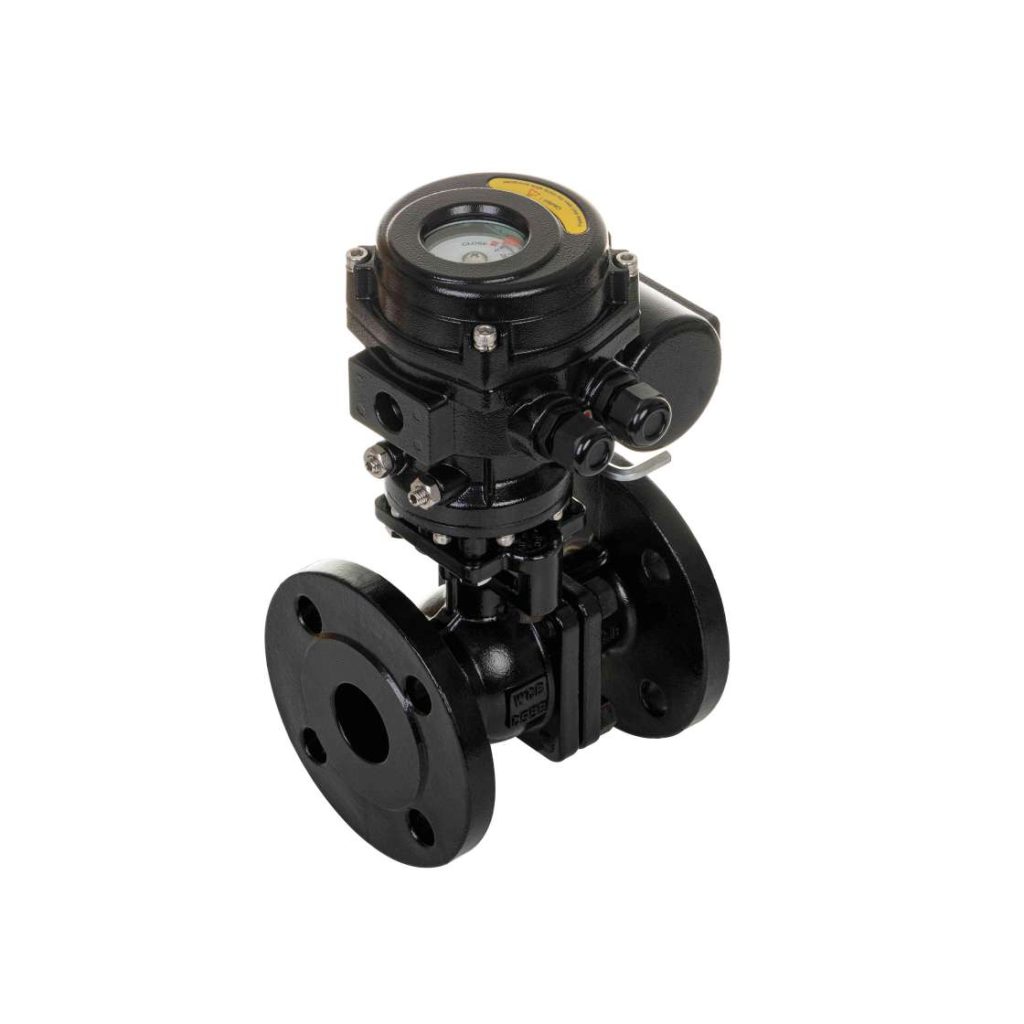
Key Features
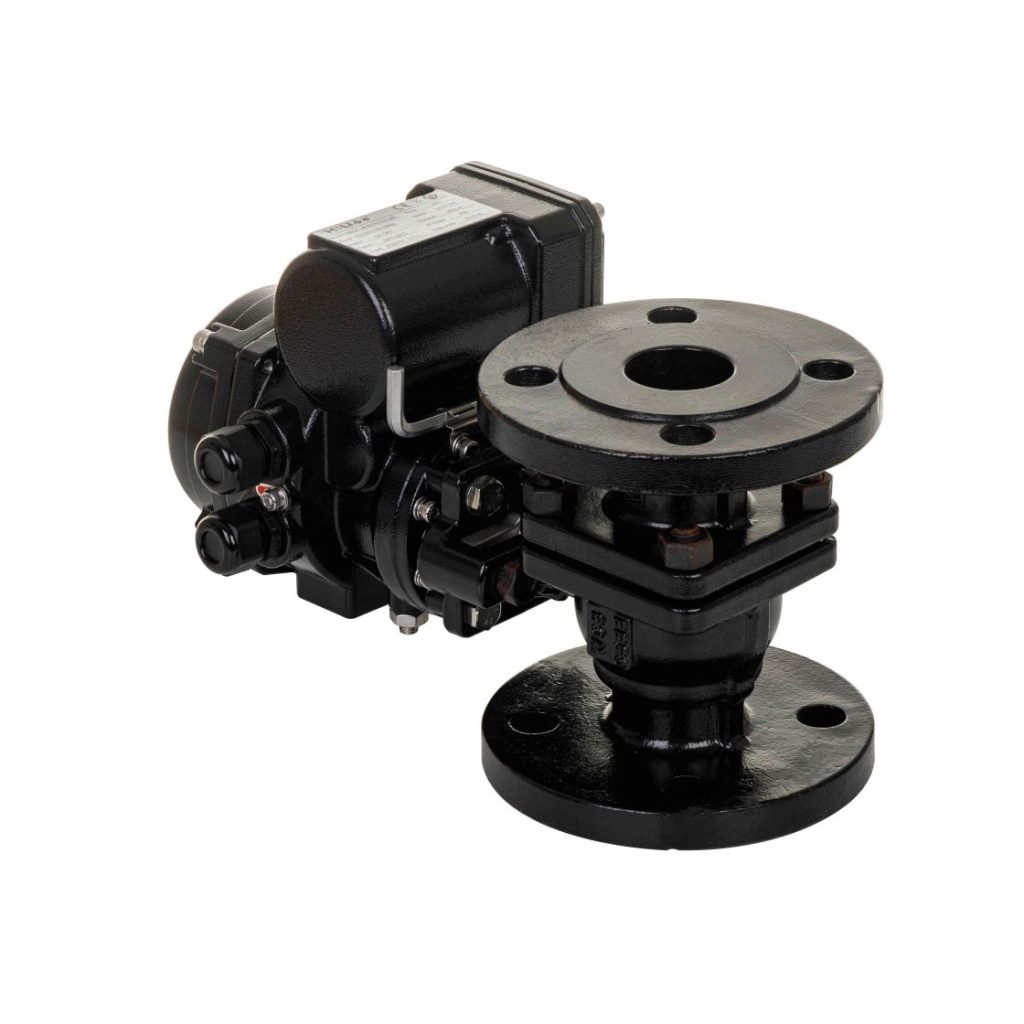
Explosion-proof Design: The primary advantage of the Explosion-proof Electric Flange Ball Valve is its ability to operate safely in explosive or flammable environments. These valves are designed and constructed to meet strict international safety standards, such as the ATEX and IECEx certifications, ensuring they can withstand hazardous conditions. The electric actuator is encased in a flameproof housing, which prevents any ignition source from escaping, even if the internal components fail. This makes them ideal for industries where gas or vapor might form explosive atmospheres. Electric Actuation: Unlike manual valves, the electric flange ball valve utilizes an electric actuator to control the valve’s position. The actuator can be connected to a remote control system, allowing for automated control of fluid flow. This eliminates the need for manual operation, which can be labor-intensive and dangerous in hazardous areas. The electric actuator is often available in different voltage options, such as 24V DC or 220V AC, to suit various operational requirements.