In the realm of industrial automation and fluid control, the WCB Electric two-seat regulating valve stands out as a pivotal component in enhancing process efficiency and reliability. This sophisticated valve integrates cutting-edge design with advanced functionality, making it indispensable across various sectors, including chemical engineering, water treatment, and food processing. In this article, we will explore the essential features, advantages, applications, and considerations associated with the WCB Electric two-seat regulating valve.
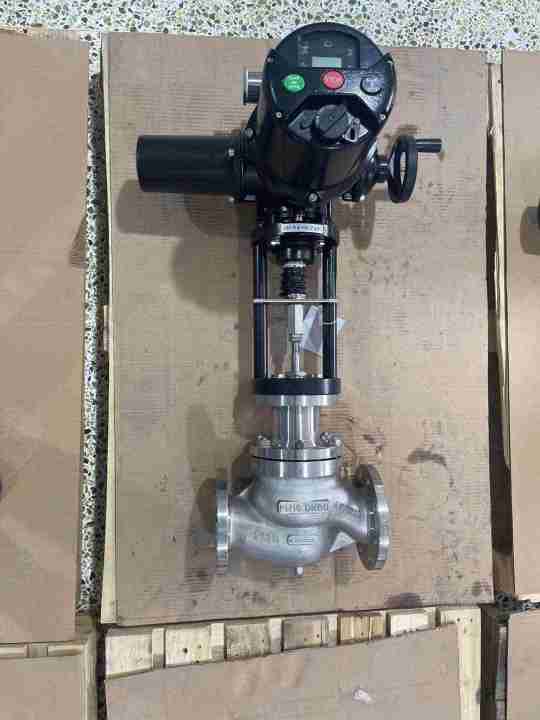
Design and Structure The WCB Electric two-seat regulating valve is characterized by its unique two-seat design, which comprises two seats to effectively manage fluid flow and pressure. This configuration allows for greater flow regulation capability and minimized pressure drop, making it particularly effective in demanding applications. The valve operates through an electric actuator that converts the electrical signal into mechanical movement, enabling precise control over the valve’s opening and closing. The electric actuator’s design allows for quick responsiveness to changes in control signals, thus ensuring the valve can react promptly to variations in process conditions. Additionally, the valve often features a feedback mechanism, such as position sensors, ensuring that the actual position of the valve aligns with the setpoint determined by the control system. This closed-loop system enhances the accuracy and reliability of fluid control.