In the ever-evolving landscape of industrial automation and fluid control, the electric pinch valve has emerged as a popular and highly effective solution for various applications. Known for its unique design and operational efficiency, the electric pinch valve is utilized across a wide range of sectors—including chemical processing, wastewater treatment, food and beverage, and pharmaceuticals. This article delves into the operational principles, advantages, applications, and considerations involved in selecting electric pinch valves, providing a comprehensive understanding of this vital component in fluid management.
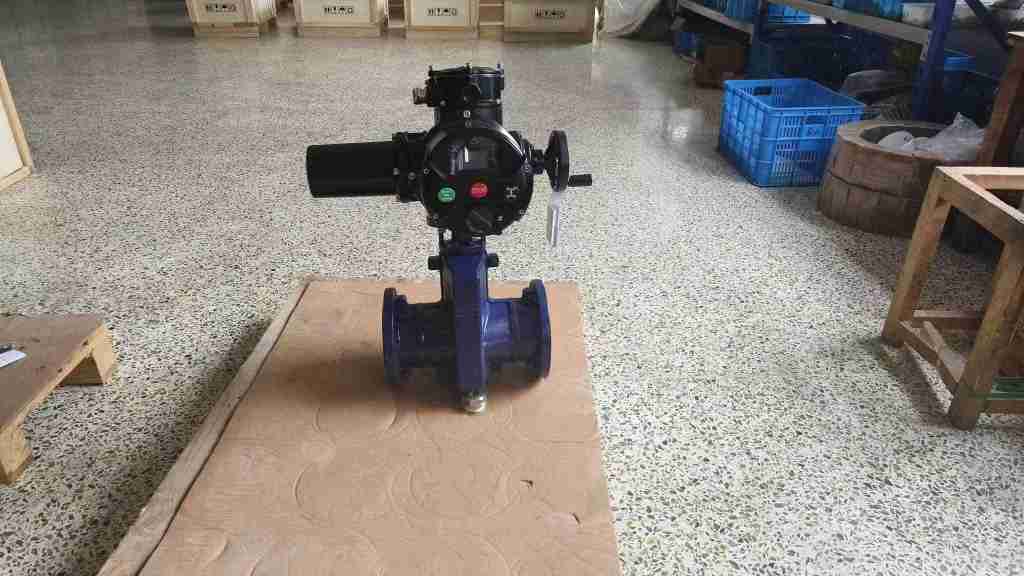
Understanding the Electric Pinch Valve At its core, an electric pinch valve operates on a simple yet effective principle: it controls the flow of fluid through a flexible tube or hose. The key feature of the valve is its electrically actuated mechanism, which allows for precise control over fluid movement. When the valve is activated, the actuator compresses the flexible tubing, restricting or entirely halting the flow of the fluid. Conversely, when the valve is opened, the tubing is released, allowing the fluid to flow freely. This mechanism makes the electric pinch valve a highly reliable alternative to traditional ball or gate valves, especially for applications requiring frequent opening and closing cycles.