In the fast-evolving landscape of industrial automation, electric single seat regulating valves have become pivotal components in various processes. These valves serve as key instruments for controlling the flow, pressure, and temperature of fluids in a wide array of applications, ranging from chemical processing to power generation. The demand for reliable and efficient electric single seat regulating valves has led to the emergence of numerous manufacturers specializing in this technology. This article delves into the significance of electric single seat regulating valve manufacturers and the impact they have on modern industry.
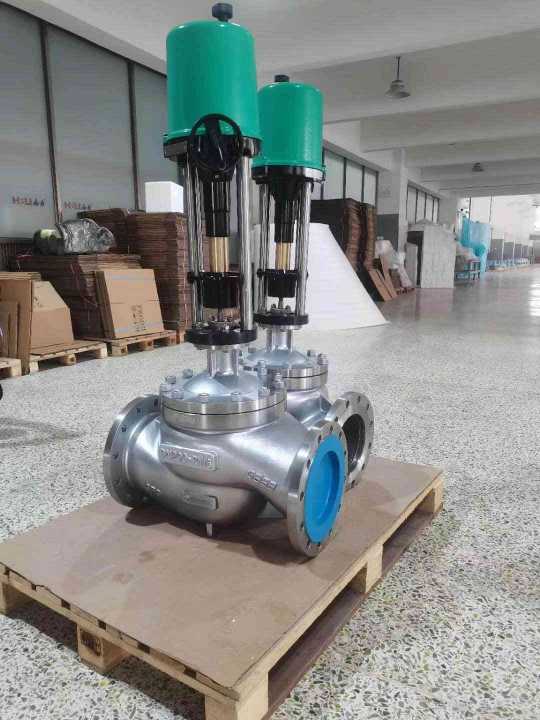
Understanding Electric Single Seat Regulating Valves Electric single seat regulating valves are characterized by a simple and efficient design. Comprising a valve body, a plug, and an actuator, these valves allow precise control of fluid flow through a single seat arrangement. The electric actuator drives the valve open or closed, allowing for automatic and remote control of the flow rate. This capability is particularly advantageous in applications where consistent and accurate control is crucial. The operation of electric single seat regulating valves hinges on their ability to modulate flow based on signals received from control systems. This functionality is essential in maintaining optimal operating conditions in processes where variations in flow or pressure could lead to costly inefficiencies or safety hazards.