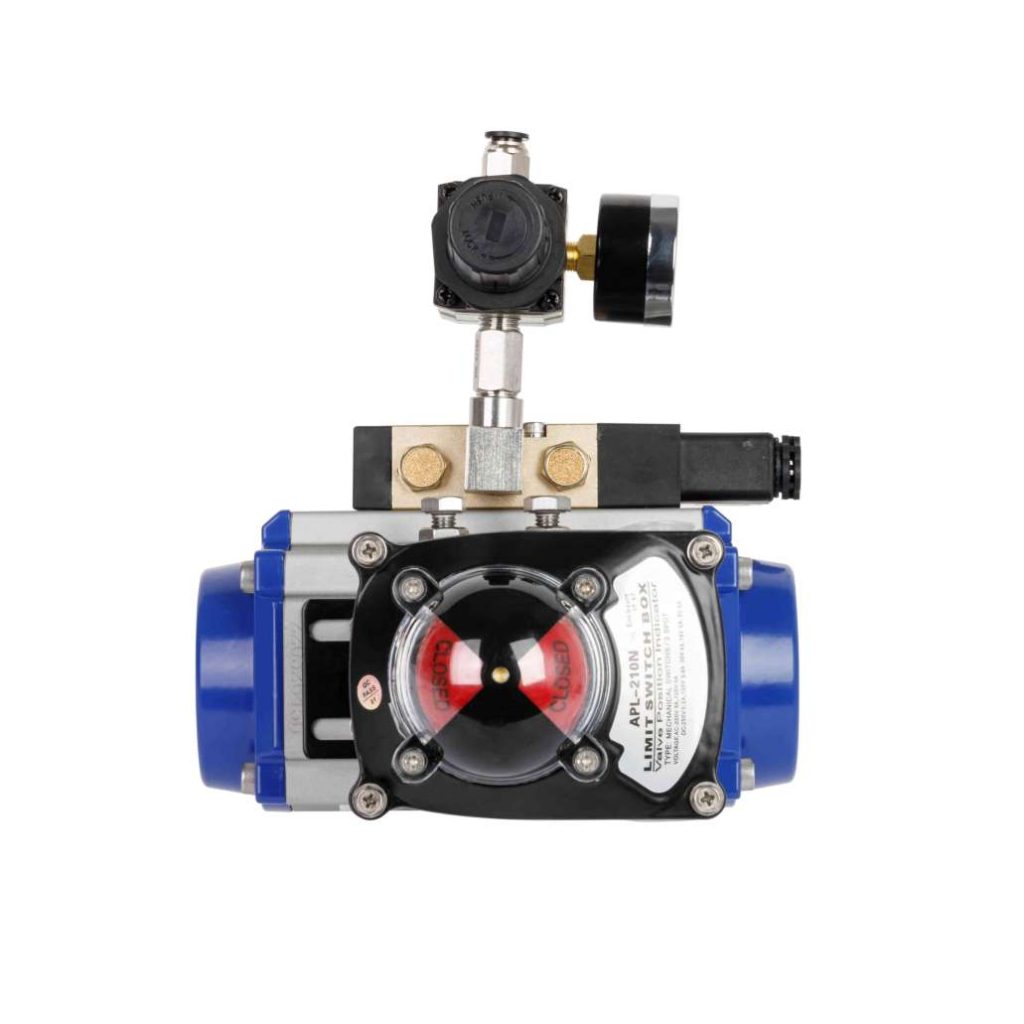
Pneumatic actuators are essential components in modern automation systems, playing a crucial role in industries ranging from manufacturing and robotics to automotive and aerospace. By converting compressed air into mechanical motion, these actuators provide a cost-effective, reliable, and efficient means of controlling movement in a variety of applications. In this article, we will explore the fundamental principles behind pneumatic actuators, their types, advantages, and real-world applications.
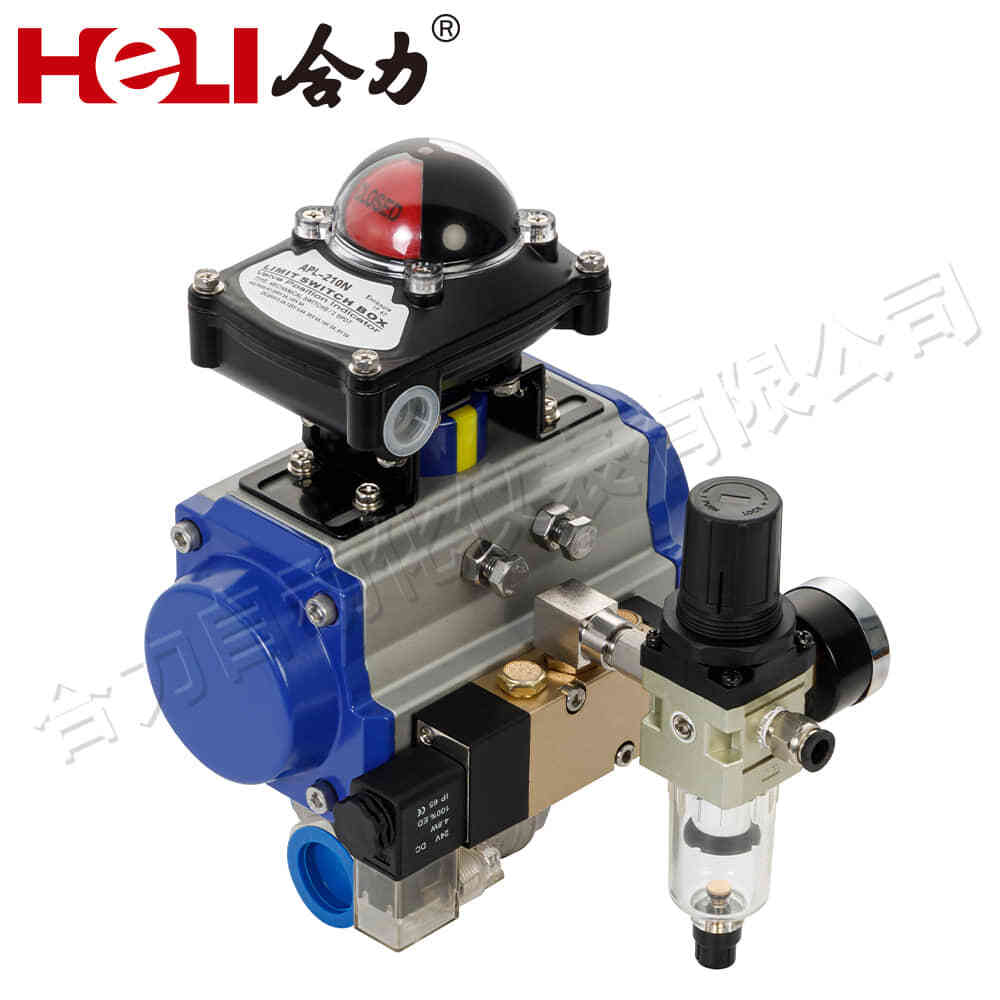
Understanding Pneumatic Actuators
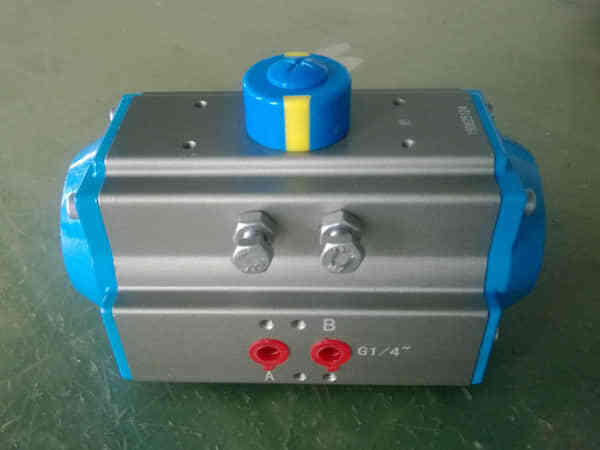
A pneumatic actuator is a device that uses compressed air as its power source to produce mechanical motion. This motion can be either linear or rotary, depending on the actuator type and its specific design. Pneumatic actuators are typically used in systems that require rapid, repetitive motion, and they are favored for their simple construction, low cost, and ease of control. In essence, the actuator takes in compressed air, and when directed into a chamber within the actuator, it moves a piston or a diaphragm, which, in turn, generates linear or rotary motion. Types of Pneumatic Actuators