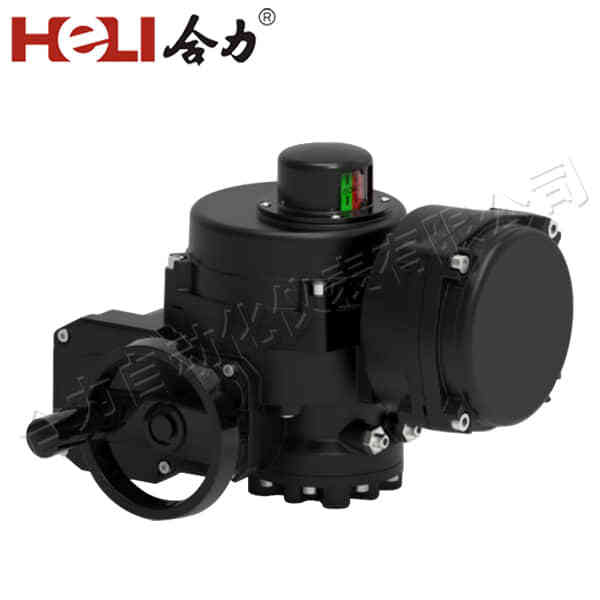
Electric actuators are integral components in various industrial and automation systems. They provide the crucial function of converting electrical energy into mechanical motion, enabling precise control of equipment and processes. Their versatility, reliability, and energy efficiency have made electric actuators a preferred choice for a wide array of applications in industries such as manufacturing, robotics, HVAC, and energy management. This article explores the working principles, types, advantages, and applications of electric actuators, highlighting their importance in modern automation systems.
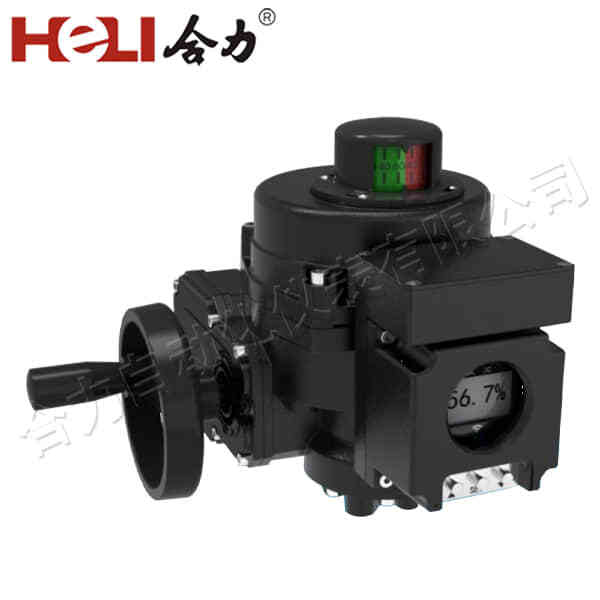
What is an Electric Actuator?
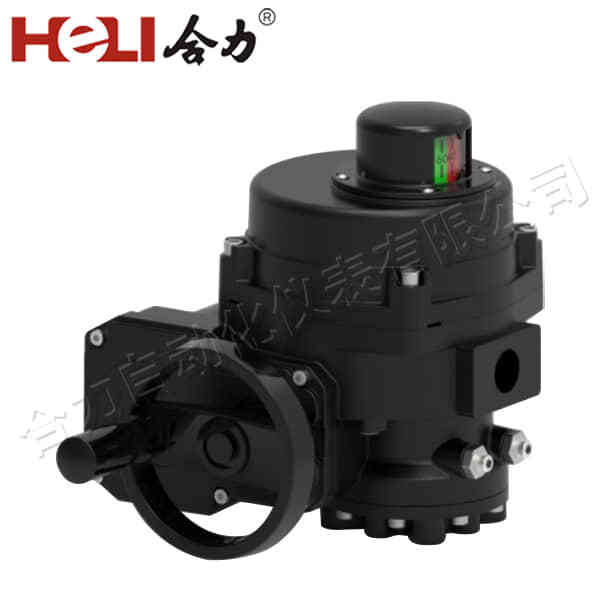
An electric actuator is a device that converts electrical energy into mechanical movement. It typically consists of an electric motor, a transmission mechanism, and a control system. The electric motor drives the actuator, while the transmission system translates the motor’s rotational motion into the desired linear or rotary motion. Electric actuators are often controlled by electronic signals, which can be programmed for precise motion control, speed adjustments, and position monitoring. Types of Electric Actuators Electric actuators can be broadly classified into two types based on their motion characteristics: