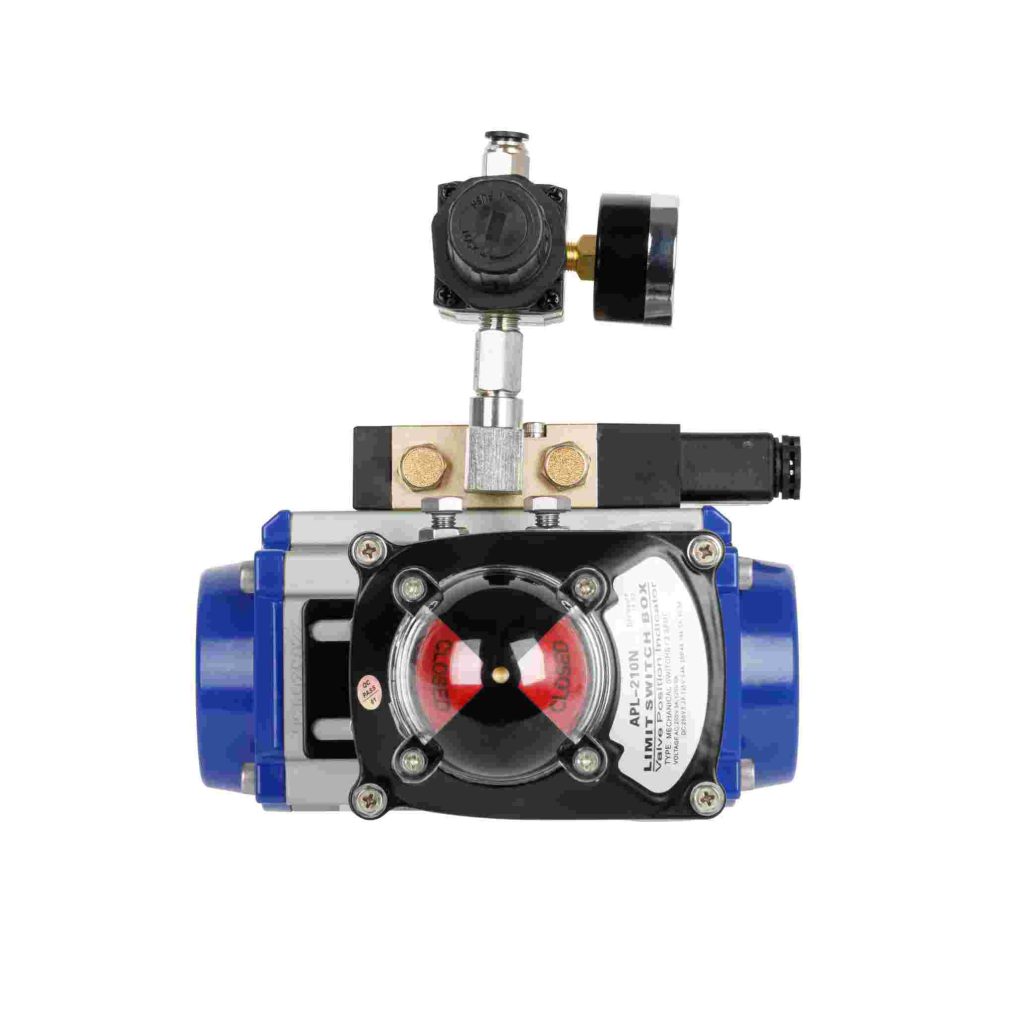
In recent years, the world has witnessed a growing demand for cleaner, more sustainable technologies across various industries. One of the most promising energy sources in this shift toward sustainability is hydrogen, which, when used in fuel cells, can offer a clean and efficient energy alternative. A particularly exciting application of hydrogen energy is its integration with pneumatic actuators. The development of Hydrogen Energy Pneumatic Actuators represents a groundbreaking fusion of two advanced technologies: hydrogen fuel and pneumatic motion. This innovative solution holds the potential to revolutionize automation systems, offering enhanced efficiency, sustainability, and versatility.
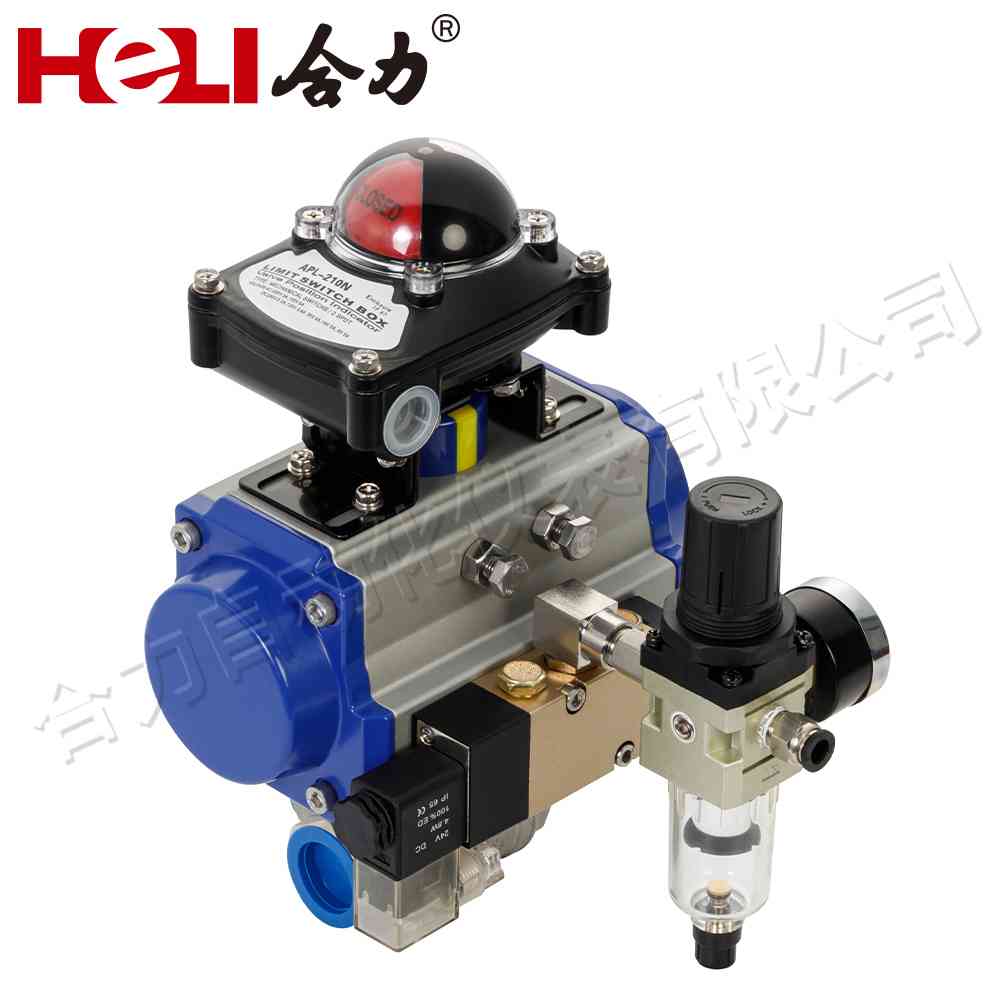
Understanding Pneumatic Actuators and Their Role
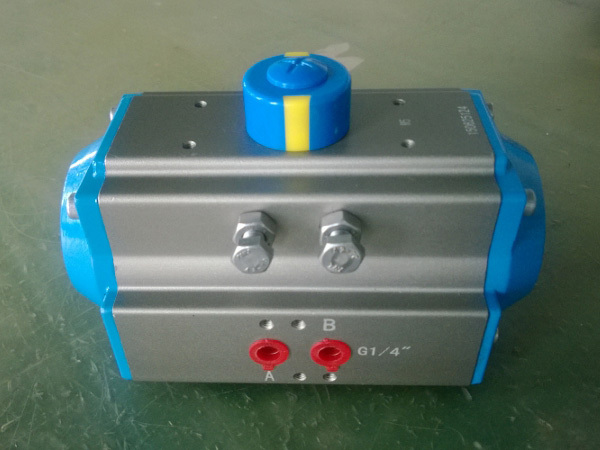
Pneumatic actuators are widely used in industries for automation purposes, controlling the movement of machinery through the use of compressed air. These actuators operate by converting the energy stored in compressed air into mechanical movement, either linear or rotary. Pneumatic systems are favored for their ability to provide quick and precise motion, which is essential in applications such as robotics, valve control, and industrial automation. Traditional pneumatic systems rely on air compressors powered by electricity or fossil fuels. However, the environmental footprint of these systems can be substantial due to their dependence on non-renewable energy sources. This has prompted the search for alternative methods that can make pneumatic actuation more sustainable.