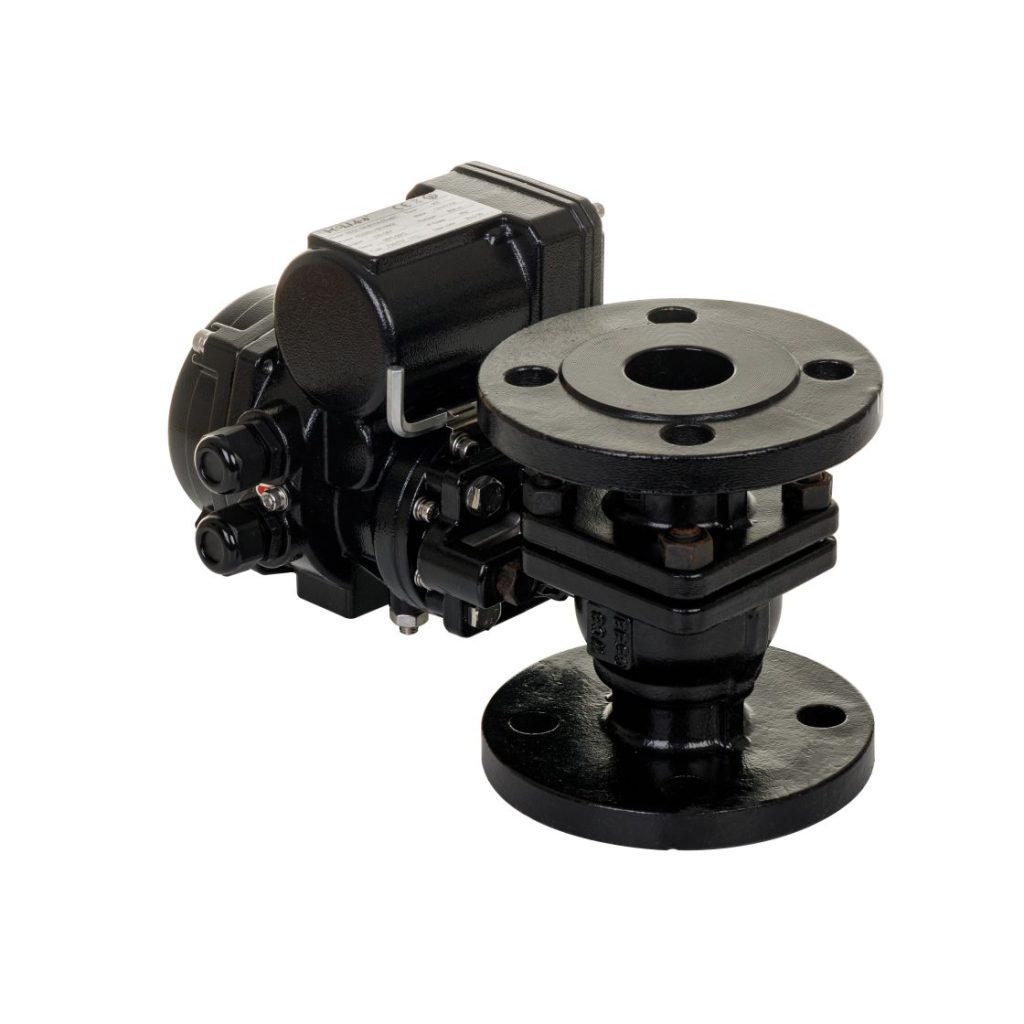
The Hydrogen Energy Electric Flange Ball Valve is emerging as a critical element in the transition towards cleaner energy systems. With the increasing global focus on reducing carbon emissions and the reliance on fossil fuels, hydrogen energy has gained significant attention as a viable alternative. This article delves into the features, applications, advantages, and the challenges associated with hydrogen energy electric flange ball valves.
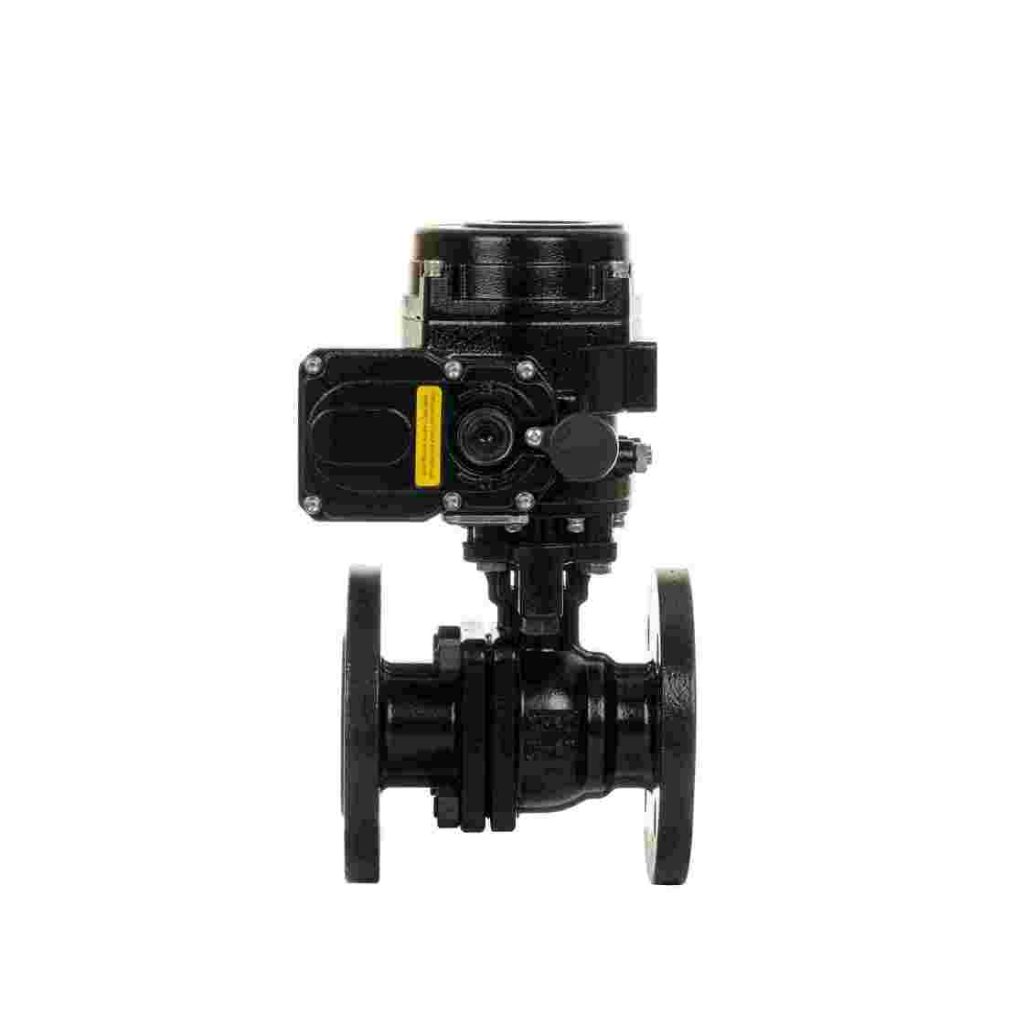
Understanding the Hydrogen Energy Electric Flange Ball Valve
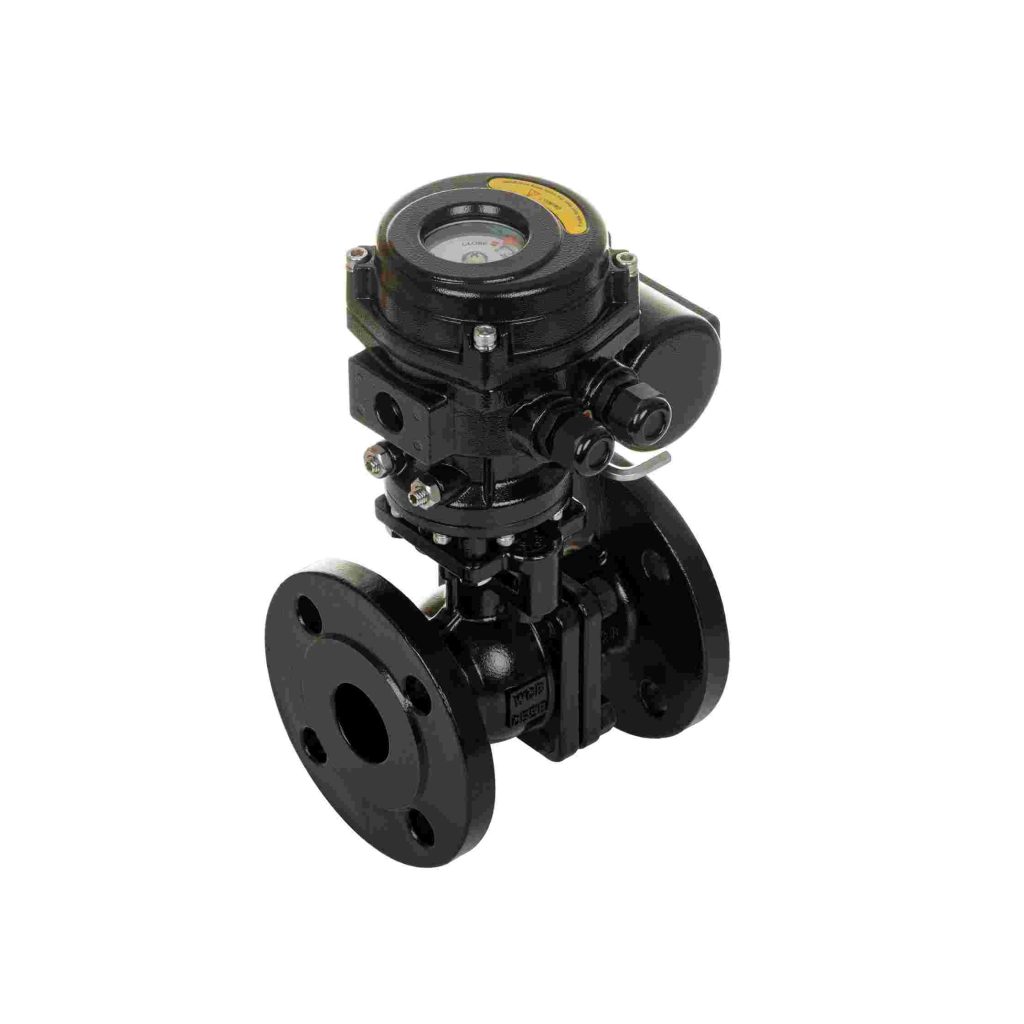
The hydrogen energy electric flange ball valve is a type of valve specially designed for controlling and regulating hydrogen gas flow. Featuring a ball mechanism that rotates to either allow or prevent the passage of hydrogen gas, these valves are equipped with electric actuators that facilitate remote or automated operation. This design ensures that the valve can operate efficiently and safely in environments where hydrogen gas is prevalent. One of the key characteristics of this valve is its flange connection. Flanged designs allow for easy installation and removal, suitable for various industrial settings, from hydrogen production facilities to storage and distribution systems. The flanged connection not only enhances mechanical stability but also provides effective sealing to prevent leaks—an essential feature given hydrogen’s small molecular size.