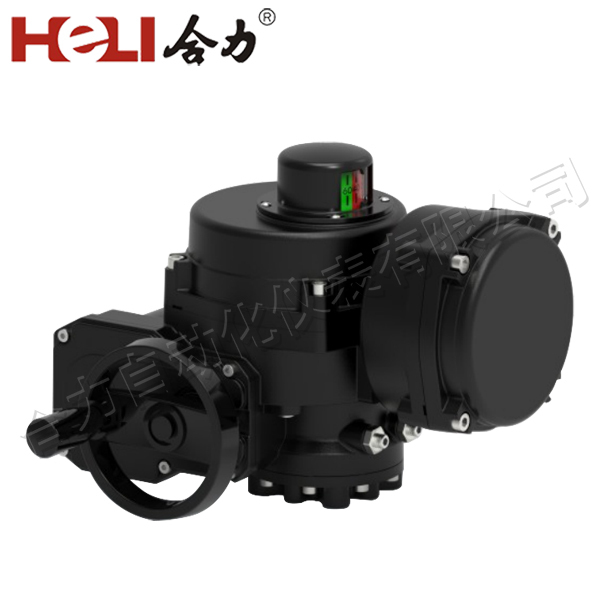
Hydrogen energy is increasingly gaining attention as a sustainable and clean alternative to conventional fossil fuels. Among the many applications of hydrogen technology, hydrogen energy electric actuators represent a groundbreaking development in various industrial and automotive fields. These actuators use hydrogen as a power source, offering numerous advantages in terms of efficiency, environmental impact, and operational lifespan. This article explores the working principle, applications, and potential challenges of hydrogen energy electric actuators, shedding light on their role in the future of energy technology.
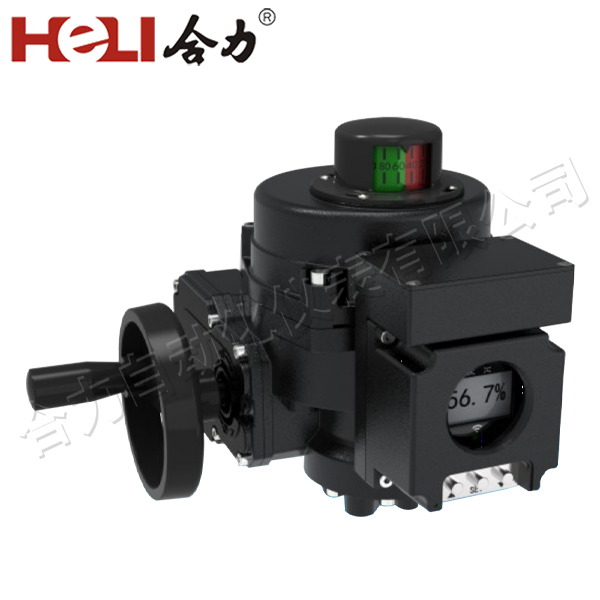
What Are Hydrogen Energy Electric Actuators?
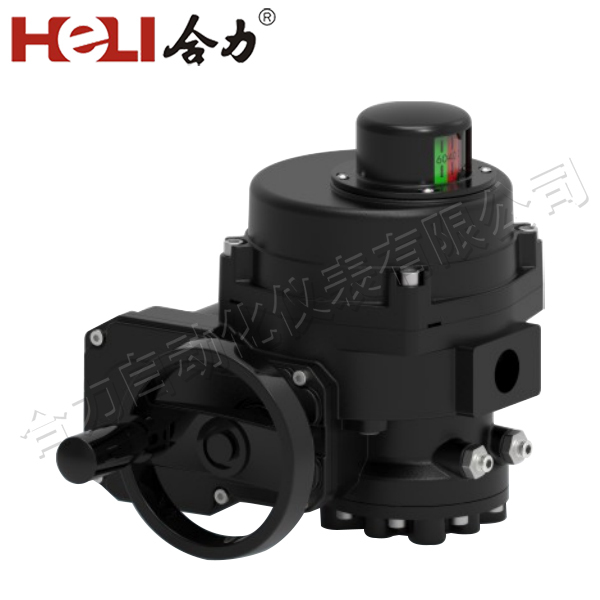
A hydrogen energy electric actuator is a mechanical device that uses hydrogen fuel cells to generate electricity, which is then used to produce motion. In traditional electric actuators, electricity is typically supplied from a power grid or battery to drive an electric motor. However, in hydrogen energy electric actuators, the power comes from hydrogen fuel cells. These fuel cells work by combining hydrogen with oxygen in a chemical reaction to produce electricity, water, and heat as by-products. The electricity generated powers the actuator, which can perform tasks like opening or closing valves, controlling robotic arms, or moving other mechanical components.