In the world of modern automation and robotics, the demand for smarter, more efficient, and compact systems is ever-growing. The traditional methods of implementing separate control units, actuators, and sensors are giving way to more integrated solutions. One such innovation that has gained significant traction is the Intelligent Integrated Actuator. This advanced device combines the functionalities of an actuator, control system, sensor, and feedback mechanism all in a single, compact unit. In this article, we will explore what an Intelligent Integrated Actuator is, its components, advantages, and its applications across various industries.

What is an Intelligent Integrated Actuator?
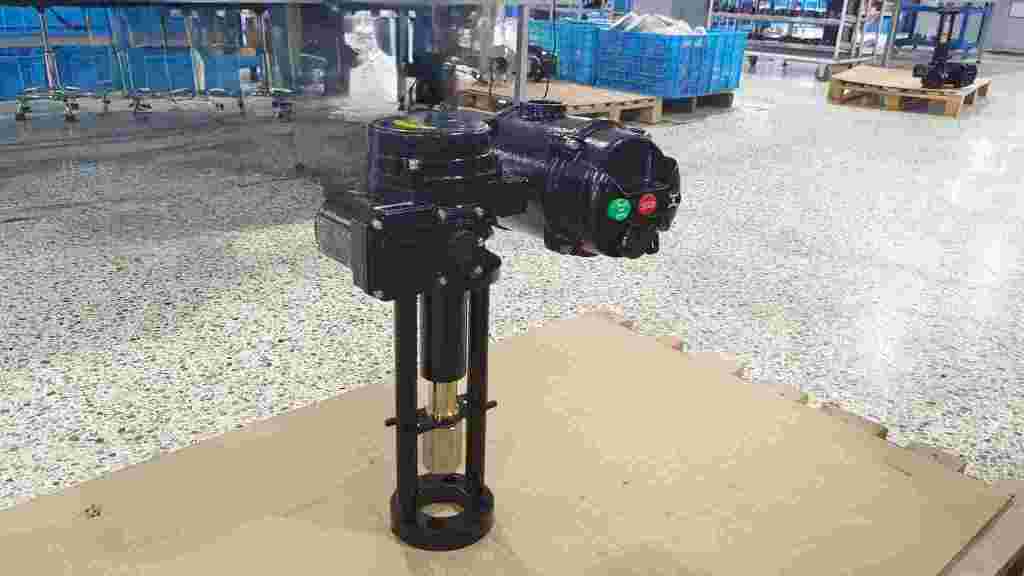
An Intelligent Integrated Actuator (IIA) is an electromechanical device that integrates the capabilities of traditional actuators, which typically include motors or pneumatic systems, with advanced control algorithms, sensors, and communication capabilities. The primary function of an actuator is to convert energy into mechanical motion, typically for controlling systems such as robotic arms, valves, and other mechanical processes. However, by integrating additional intelligent components into the actuator, these devices can not only perform actions but also sense their environment, make real-time adjustments, and communicate with external systems.
