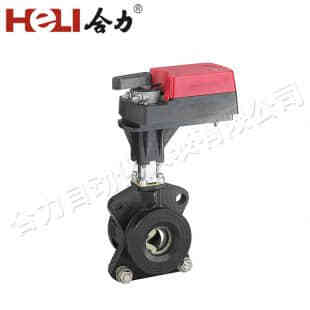
Damper actuators are essential components in various systems, particularly in HVAC (Heating, Ventilation, and Air Conditioning) setups, where they play a critical role in controlling the flow of air, smoke, or fluid. These devices adjust the position of a damper valve to regulate airflow or fluid flow in a ductwork system, ensuring optimal operation of ventilation, climate control, and even fire safety systems. In this article, we explore the functionality, types, and key applications of damper actuators, shedding light on their importance in modern infrastructure.
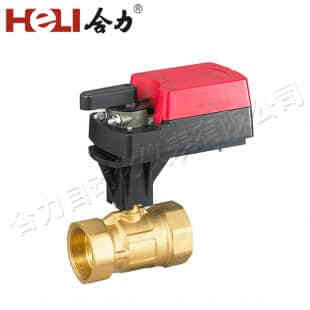
What is a Damper Actuator?
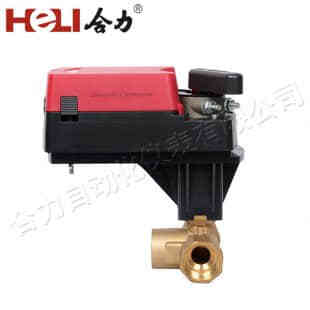
A damper actuator is a mechanical or electrical device that controls the position of a damper, typically in a duct or ventilation system. Dampers are used to open, close, or partially block airflow, allowing for precise control of air or fluid volume. The damper actuator is responsible for adjusting the damper’s position based on input from a control system, ensuring that the airflow or fluid flow meets specific requirements for temperature, pressure, or ventilation. How Do Damper Actuators Work? Damper actuators operate based on a set of commands from a building’s automation system or a dedicated control panel. These actuators are usually connected to a feedback system that relays the damper’s current position back to the control unit, allowing for continuous adjustments. The actuator may move the damper in incremental steps or continuously depending on the type of actuator and the application. Once the actuator adjusts the damper to the desired position, it remains there until a new command is issued.