Electric single seat regulating valves play a pivotal role in modern fluid control systems. These valves are designed to regulate the flow, pressure, and temperature of various fluid types across multiple industries, including oil and gas, chemical processing, HVAC, and power generation. With advancements in technology and the growing emphasis on energy efficiency, the demand for reliable and high-performance electric single seat regulating valve manufacturers has surged. This article delves into the landscape of electric single seat regulating valve manufacturers, highlighting their functions, design features, and key considerations while selecting a manufacturer.
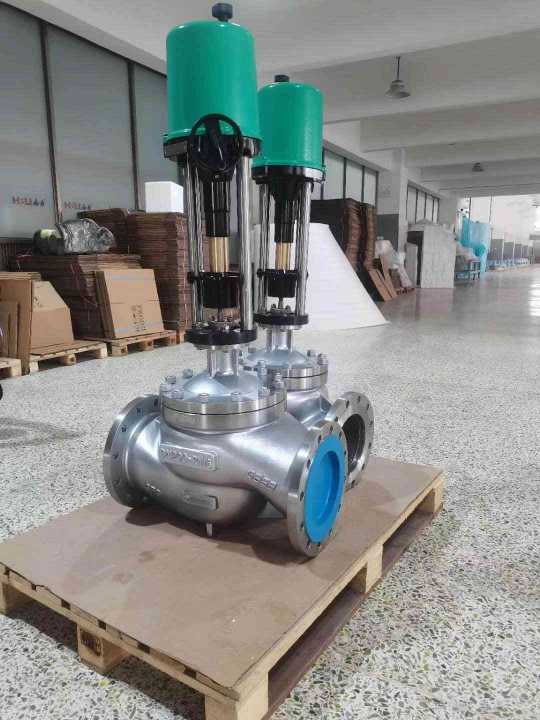
Understanding Electric Single Seat Regulating Valves Electric single seat regulating valves are characterized by their single-port design, which allows for precise control of fluid flow. The basic components of these valves include the valve body, valve seat, valve plug, and electric actuator. The electric actuator is responsible for opening or closing the valve based on the signals received from control systems, thereby facilitating seamless and accurate flow regulation. These valves offer several advantages, including enhanced control precision, reduced maintenance requirements, and improved operational efficiency. Their electric actuation enables remote monitoring and control, making them ideal for applications where manual operation is impractical or unsafe.