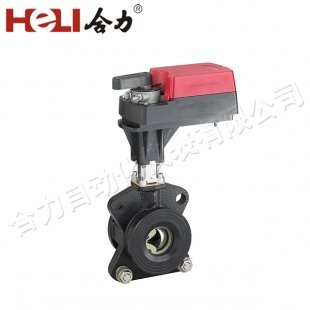
In recent years, advancements in technology have led to the development of smarter and more efficient systems for controlling environmental factors in both industrial and commercial settings. One of the key innovations in this space is the Lithium Battery Damper Actuator, a crucial component in regulating air flow within heating, ventilation, and air conditioning (HVAC) systems. This article will delve into the working principles, benefits, and wide-ranging applications of the Lithium Battery Damper Actuator, offering insights into how this technology is enhancing modern building management systems.
What is a Lithium Battery Damper Actuator?
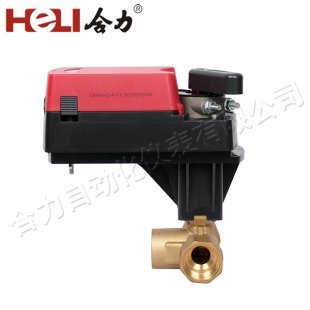
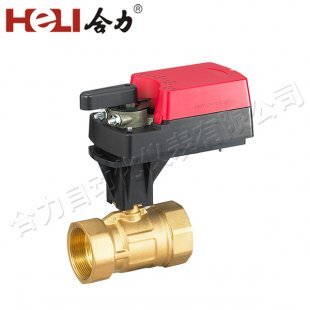
A Lithium Battery Damper Actuator is an automated device that uses lithium-ion battery power to control the operation of dampers, which regulate the flow of air or other gases in HVAC systems. Dampers are critical components in these systems, enabling precise control of airflow to maintain comfortable temperatures and optimize energy efficiency within a building. The actuator itself is the mechanism responsible for opening, closing, or adjusting the damper’s position according to the system’s needs, typically based on sensor inputs or automated controls. How Does it Work? The lithium battery damper actuator is powered by a rechargeable lithium-ion battery. This power source provides several advantages, including long life, compact size, and high energy density. The actuator works by using the battery to power a motor, which moves the damper blade in response to the control signals it receives from the building’s HVAC system. These control signals may come from a central management system, thermostats, or sensors that detect changes in temperature, humidity, or air quality.