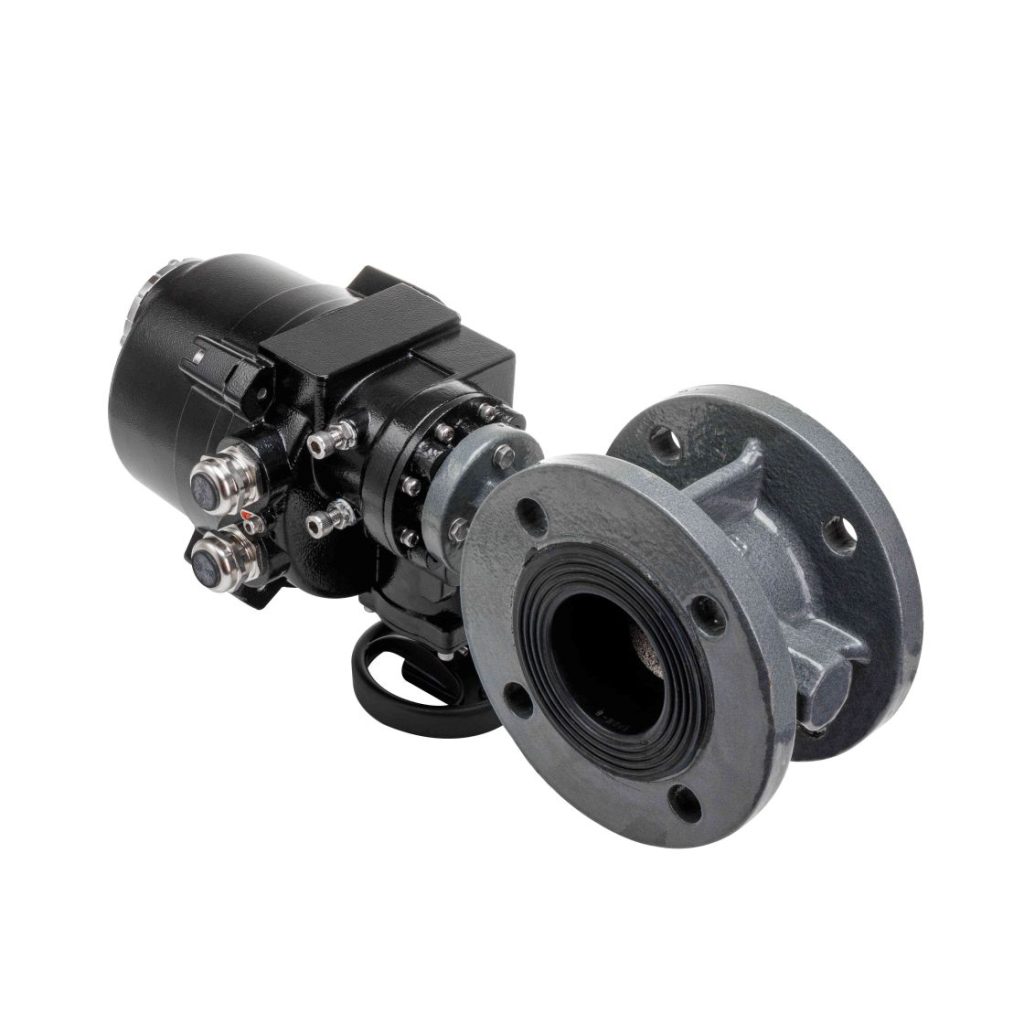
Electric ball valves are essential components in modern industrial control systems, providing efficient and reliable mechanisms for regulating fluid flow. These valves utilize electric actuators to automate the opening and closing of a spherical ball, which acts as the flow control element. This article aims to delve into the intricacies of electric ball valves, exploring their construction, working principles, advantages, applications, and considerations for selection and use.
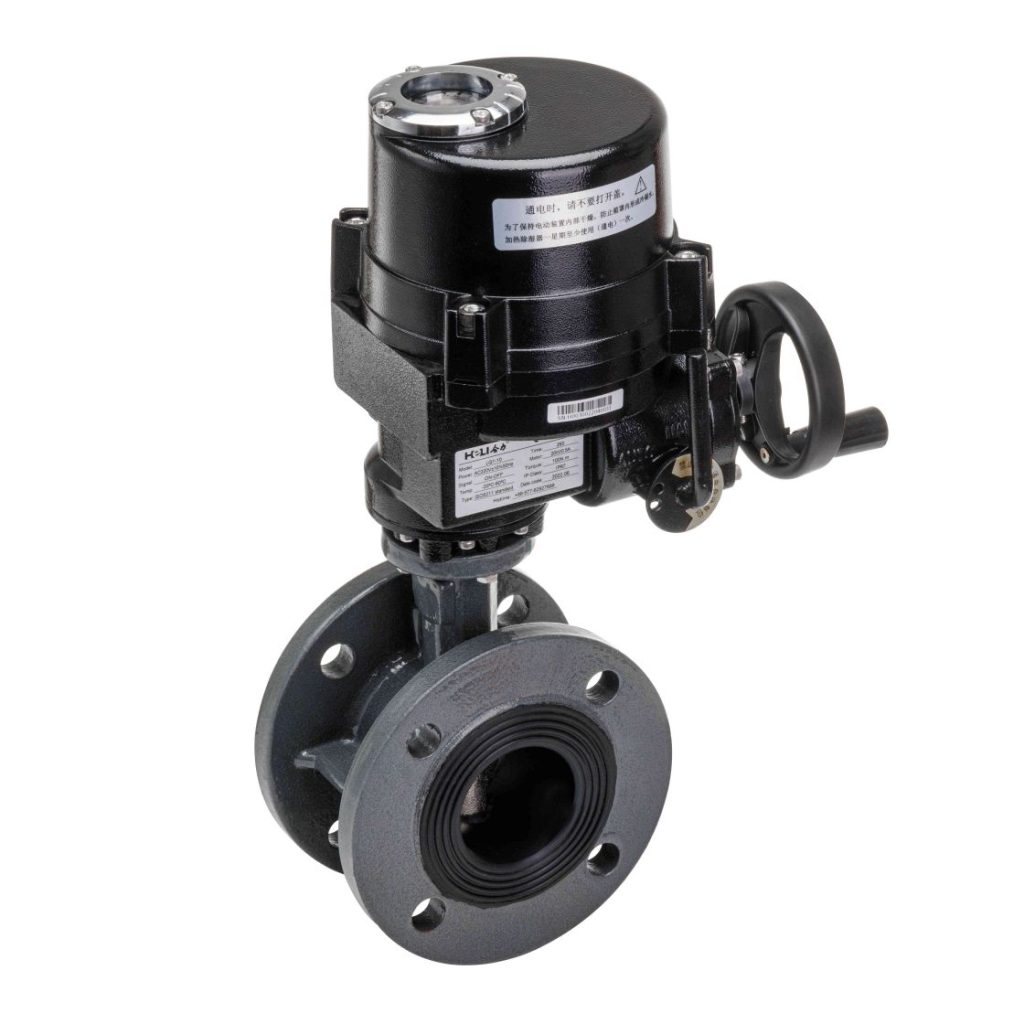
Construction of Electric Ball Valves
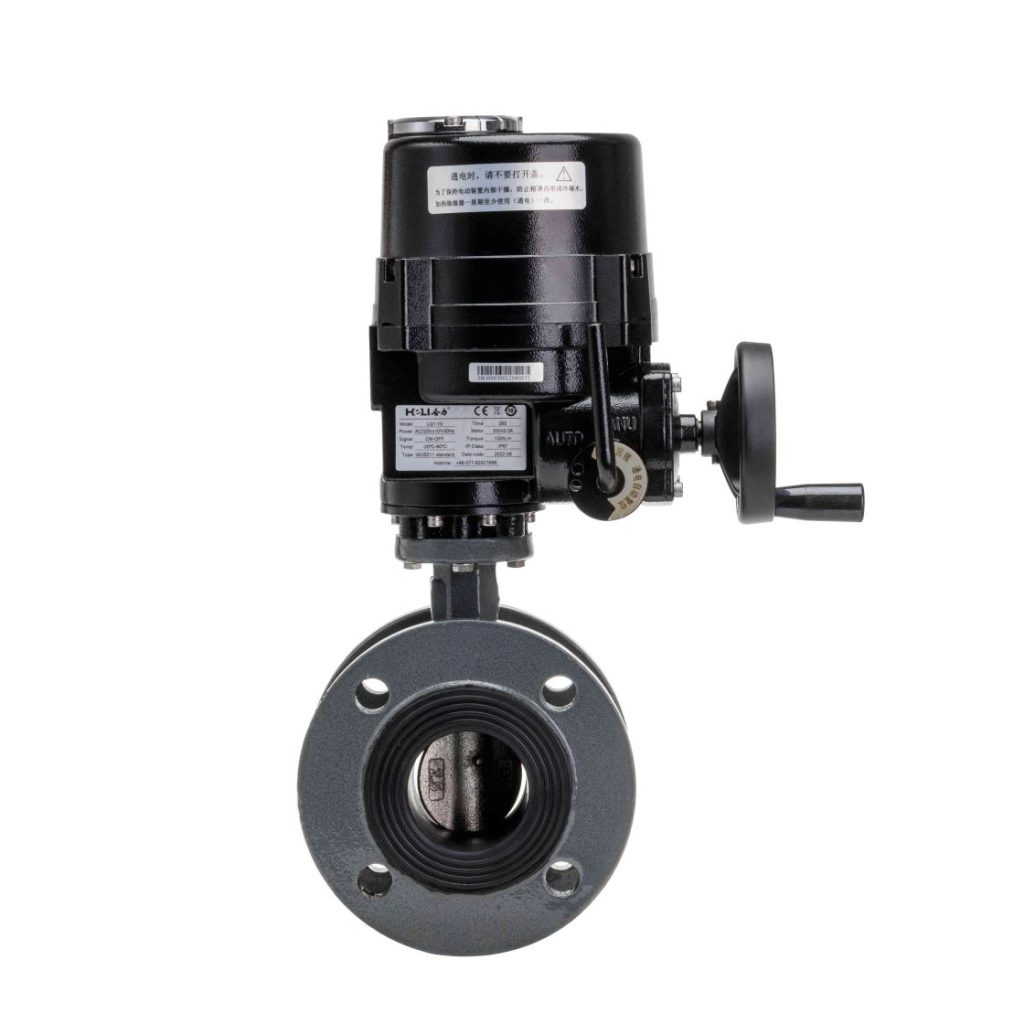
The basic structure of an electric ball valve comprises several key components: Ball: The core element of the valve, typically a hollow sphere with a passageway. The ball rotates within the valve body to control fluid flow effectively. Valve Body: Made from durable materials such as stainless steel, PVC, or brass, the valve body houses the ball and connects the inlet and outlet ports, providing a pathway for the fluid. Electric Actuator: The driving mechanism of the valve, the electric actuator converts electrical energy into mechanical motion. This actuator is usually equipped with a motor, gears, and an electronic controller.