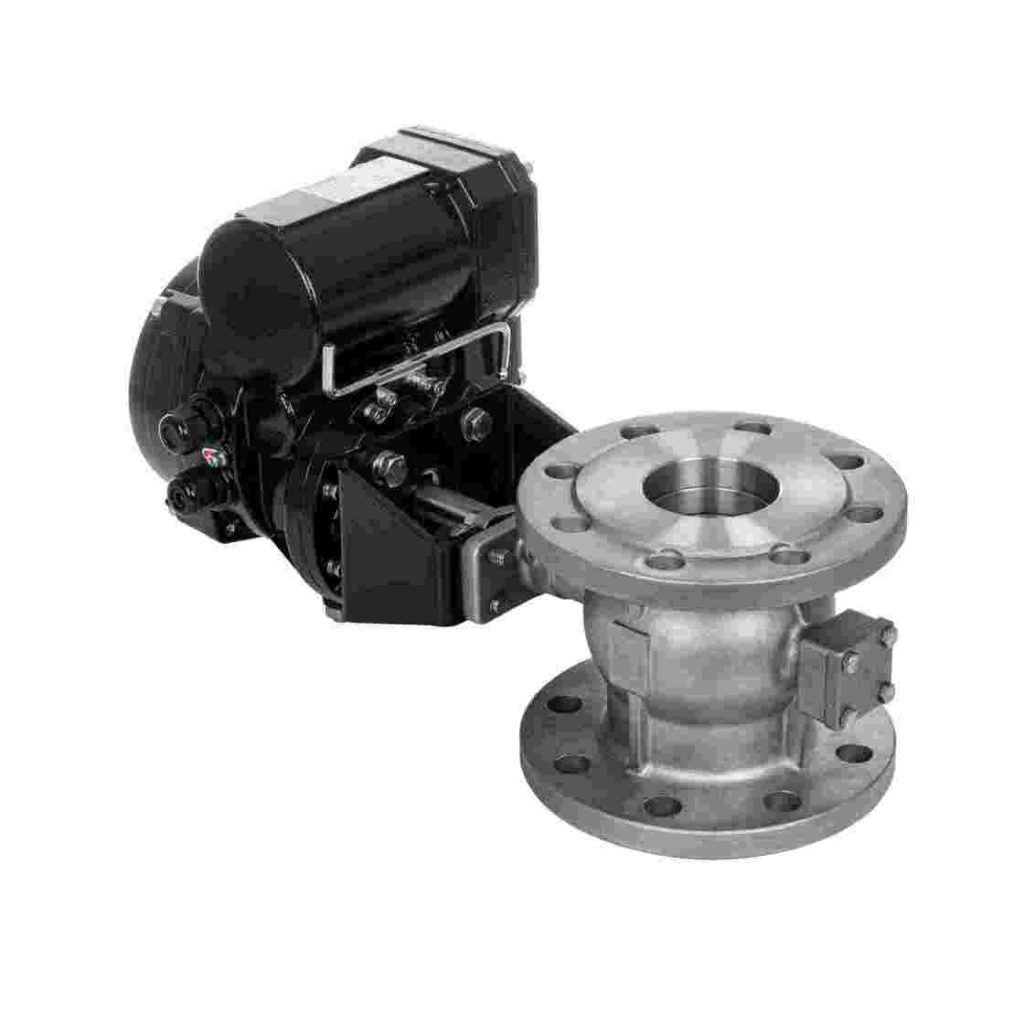
In the rapidly advancing field of automation and smart technology, the integration of energy-efficient solutions is paramount. One such innovation that is gaining traction is the Lithium Battery Electric Valve. This type of electric valve utilizes lithium battery power, offering a plethora of benefits, particularly in applications that require reliable flow control without the constraints of traditional power sources. In this article, we will explore the mechanics, advantages, applications, and future prospects of lithium battery electric valves.
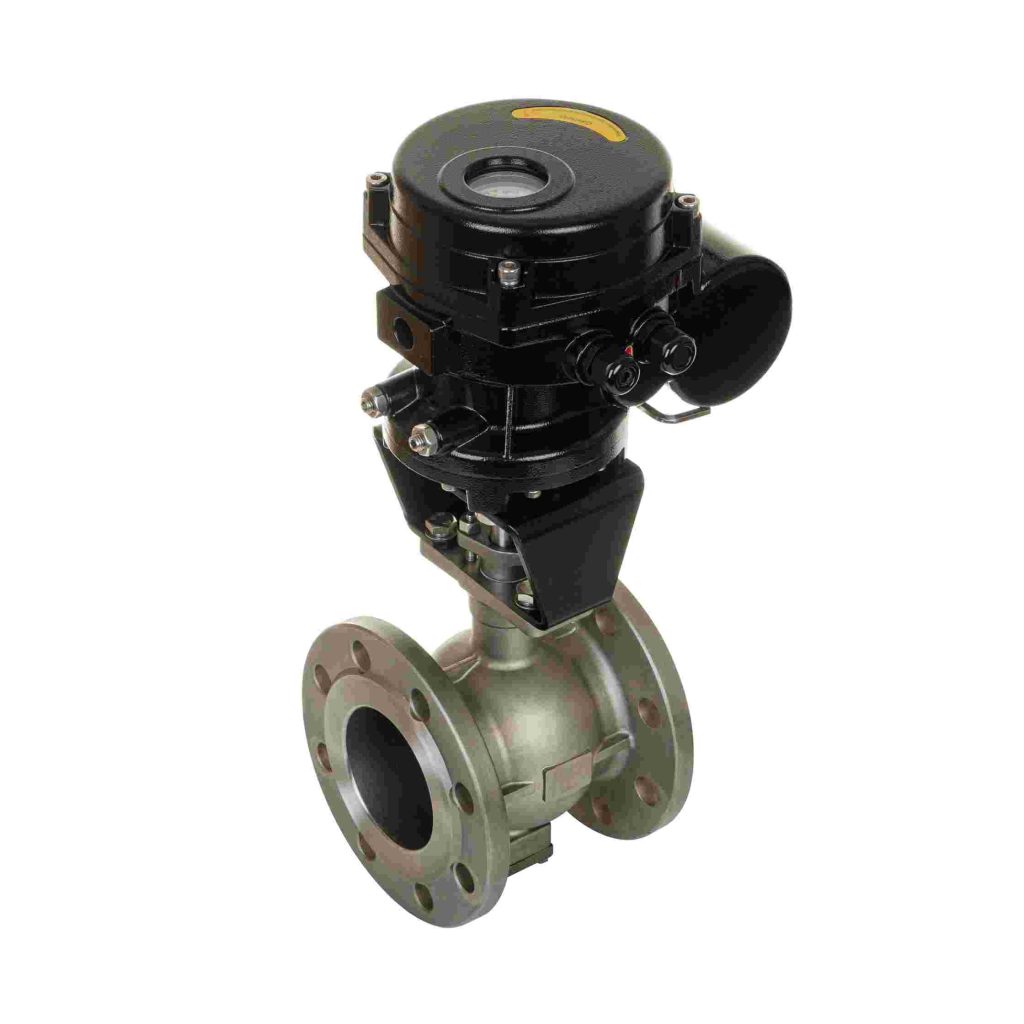
Understanding Lithium Battery Electric Valves
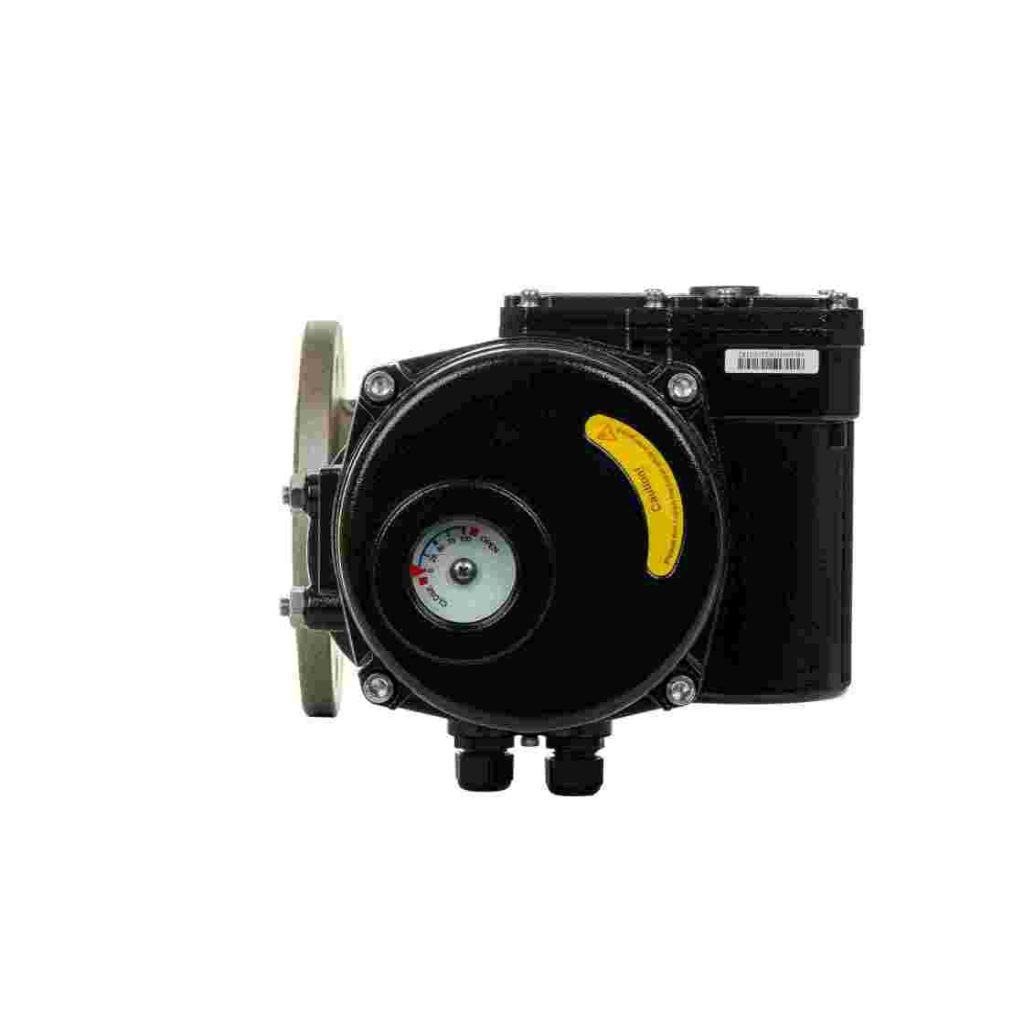
Lithium battery electric valves are mechanical devices designed to control the flow of liquids or gases in various pipelines. Unlike conventional electric valves that rely on continuous external power sources, these valves operate autonomously using rechargeable lithium batteries. This feature makes them ideal for applications in remote locations or areas where electrical wiring is impractical. The basic construction of a lithium battery electric valve typically includes the valve body, actuator, and control unit. The actuator, powered by the lithium battery, moves the valve mechanism to either open or close the valve based on electronic signals from the control unit. This allows for precise control over the flow, ensuring efficiency in various industrial processes.