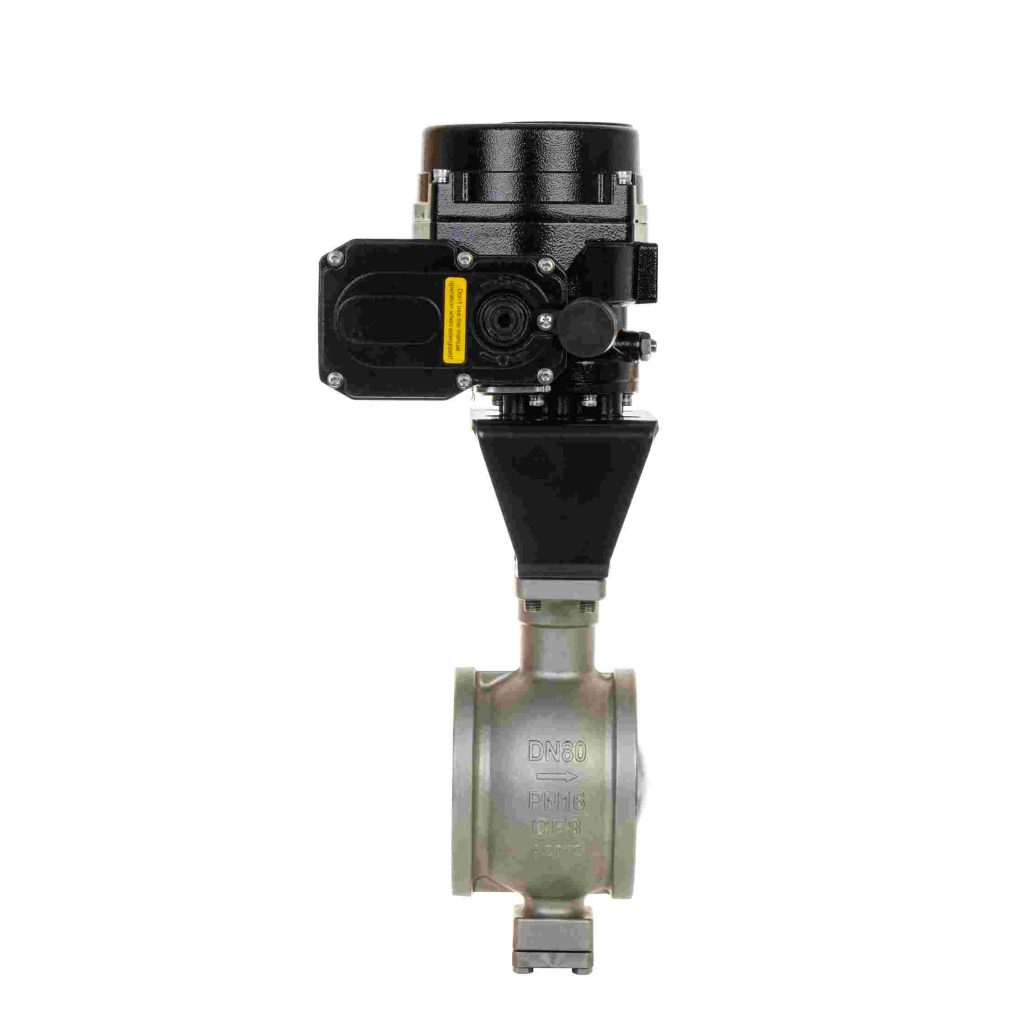
In the pursuit of sustainable energy solutions, hydrogen energy has emerged as a promising candidate to meet the world’s growing energy demands while minimizing environmental impact. One of the key components in the effective management and control of hydrogen systems is the hydrogen energy electric V-ball valve. This innovative device plays an essential role in regulating the flow of hydrogen gas in various applications, from industrial processes to renewable energy systems. This article delves into the characteristics, advantages, applications, and future of hydrogen energy electric V-ball valves.
Understanding the Hydrogen Energy Electric V-Ball Valve
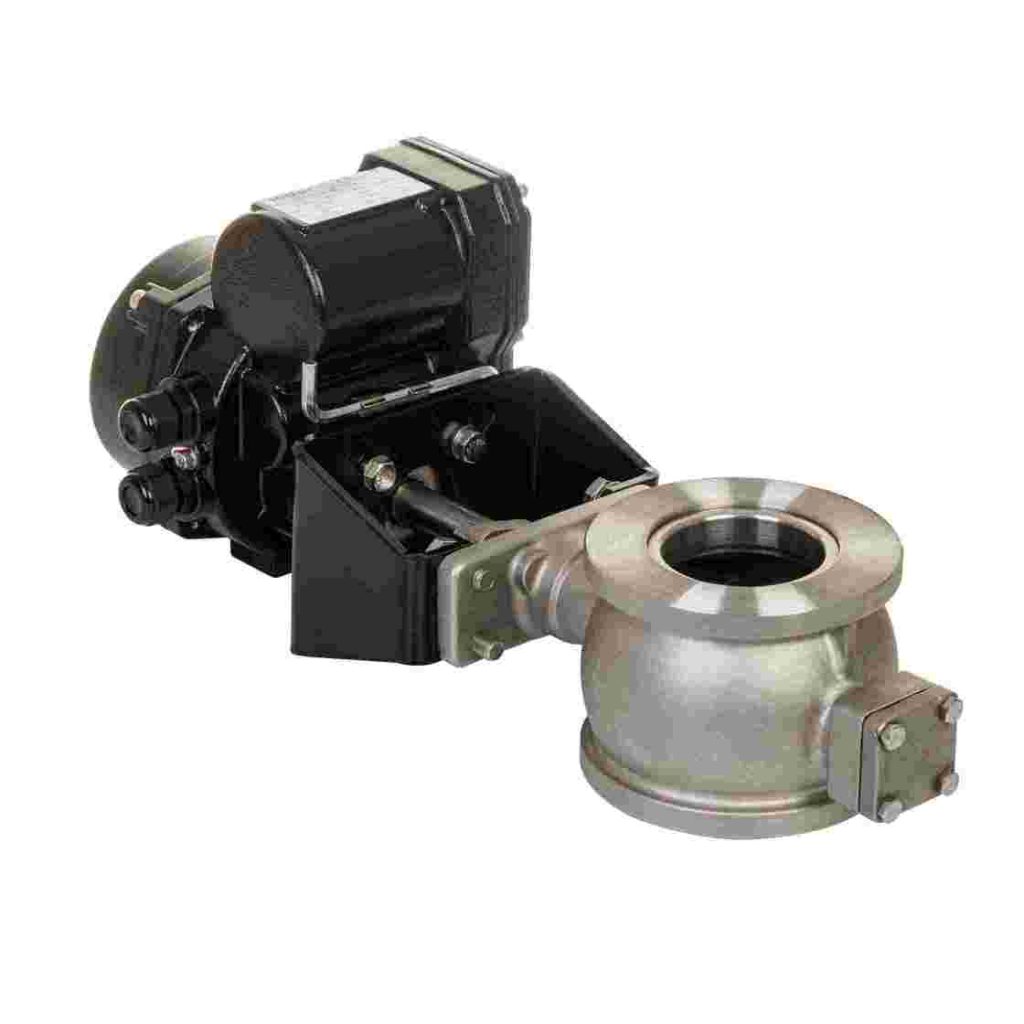
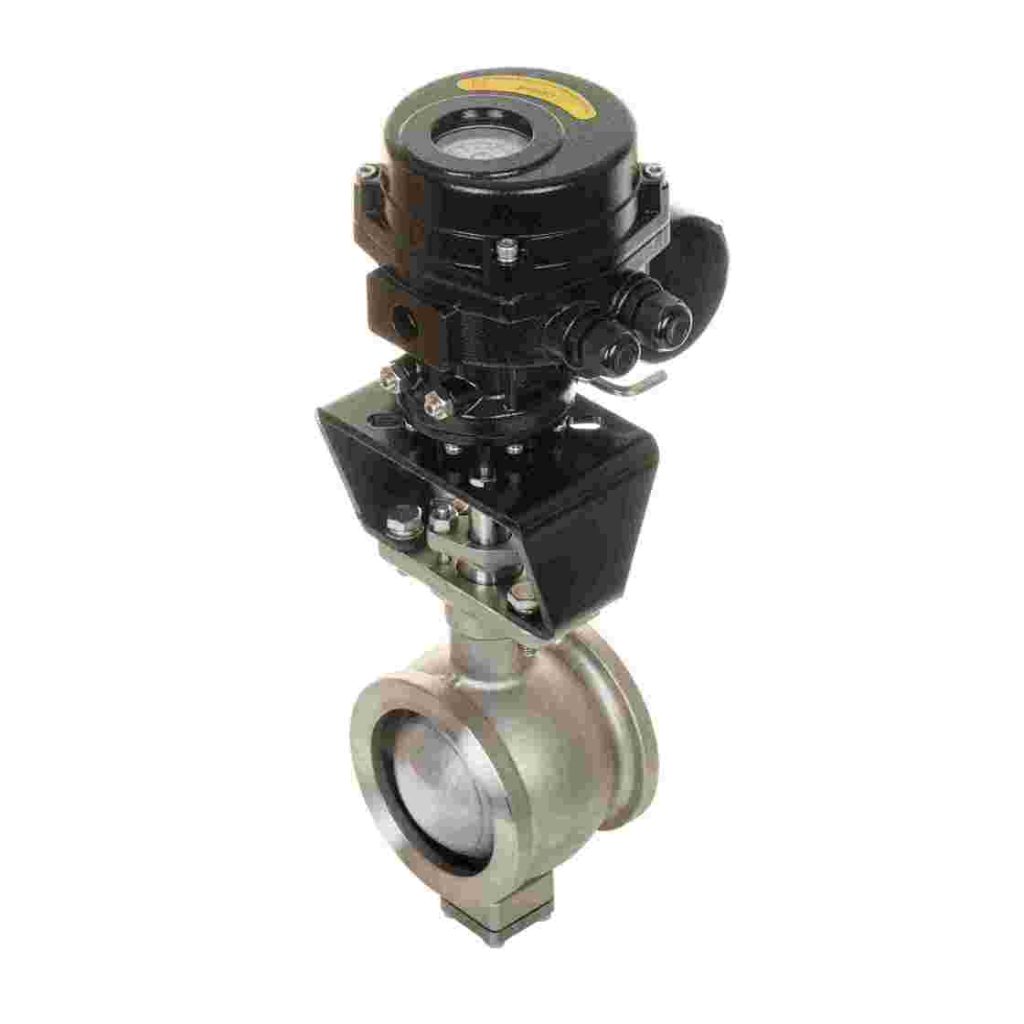
The hydrogen energy electric V-ball valve is a distinct type of valve specifically designed to facilitate the control and regulation of hydrogen gas flow. Its unique “V” shaped opening in the ball enables a smoother flow pattern compared to traditional valves. This design significantly reduces turbulence and pressure loss during operation, providing enhanced efficiency in hydrogen management.
Equipped with an electric actuator, the V-ball valve allows for precise remote control, making it suitable for automation and demand-response systems. The actuator can rapidly adjust the valve position to control the flow rate of hydrogen gas, which is crucial for processes that require stringent flow regulation.