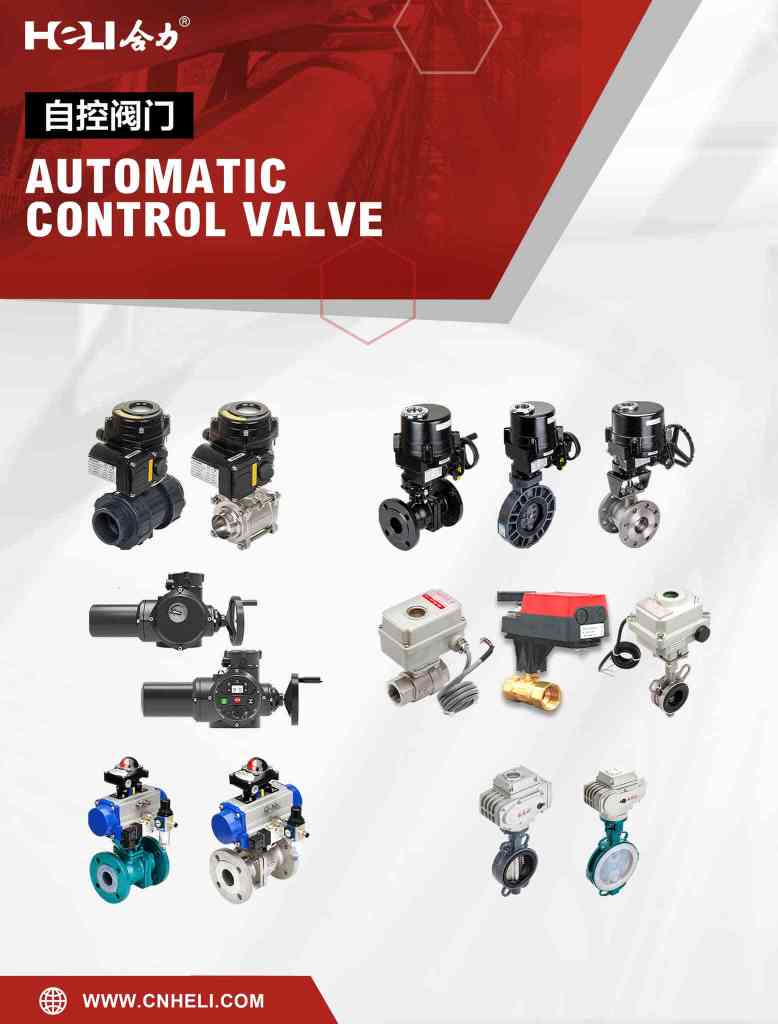
Electric valves have revolutionized the way industries manage the flow of fluids, offering precise control and increased automation. As a crucial component in various sectors, including oil and gas, water treatment, and HVAC systems, electric valves are designed to regulate the flow of liquids and gases efficiently. This article delves into the working principles, types, advantages, and applications of electric valves, highlighting their significance in modern fluid control systems.
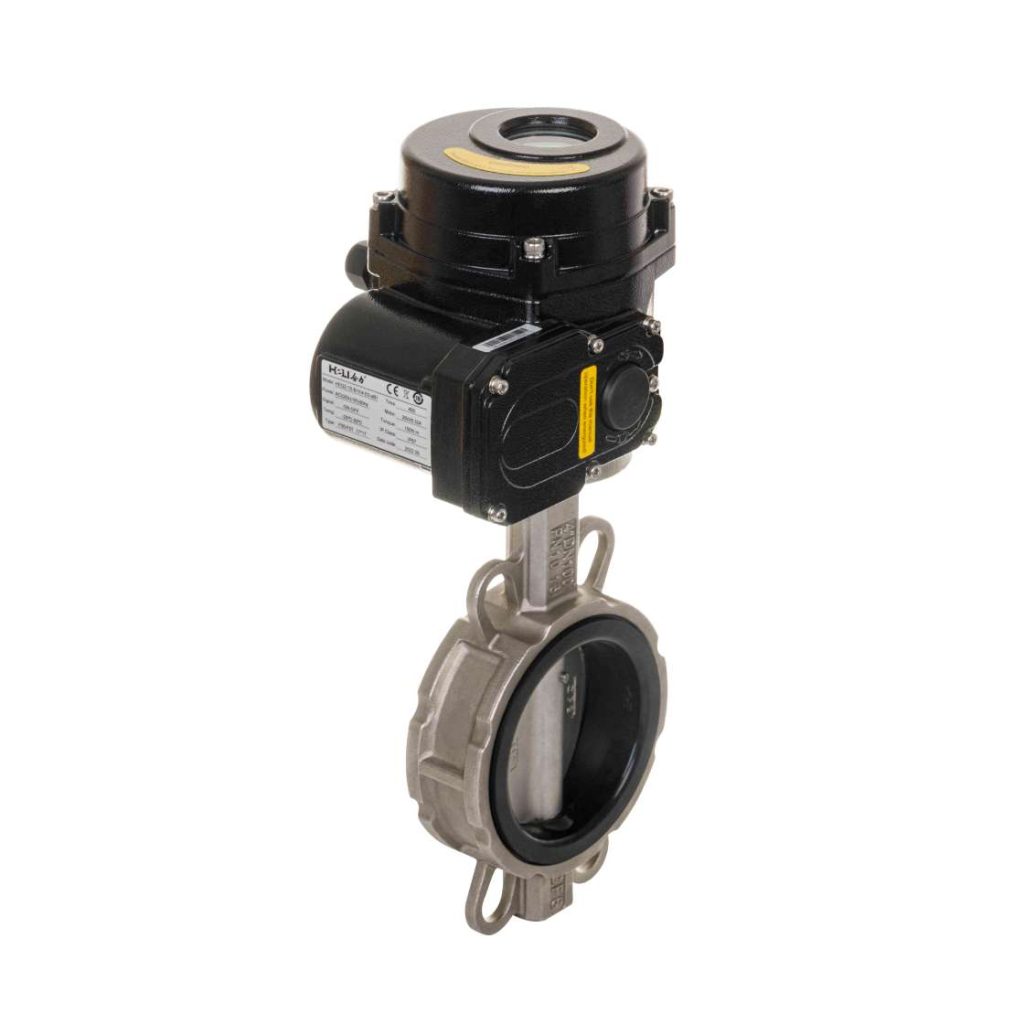
Understanding Electric Valves
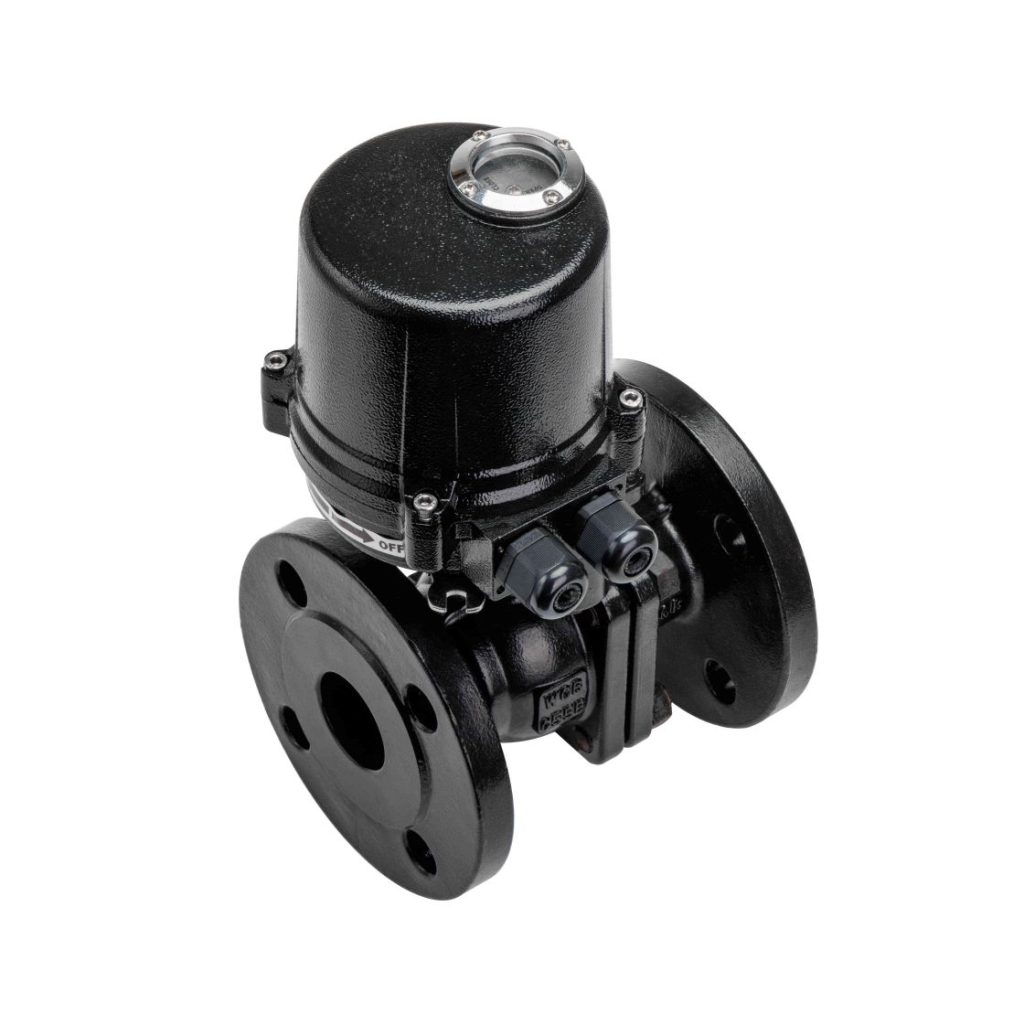
At its core, an electric valve is a type of valve that uses an electric actuator to open or close its flow path. Unlike traditional manual valves that require physical effort to operate, electric valves can be controlled remotely or automatically, offering superior efficiency and convenience. An electric actuator converts electrical energy into mechanical energy, which drives the valve’s opening or closing mechanism. This makes electric valves ideal for applications requiring rapid and accurate adjustments to fluid flow. Types of Electric Valves Electric valves come in various types, each suited for specific applications and fluid characteristics. The most common types include: