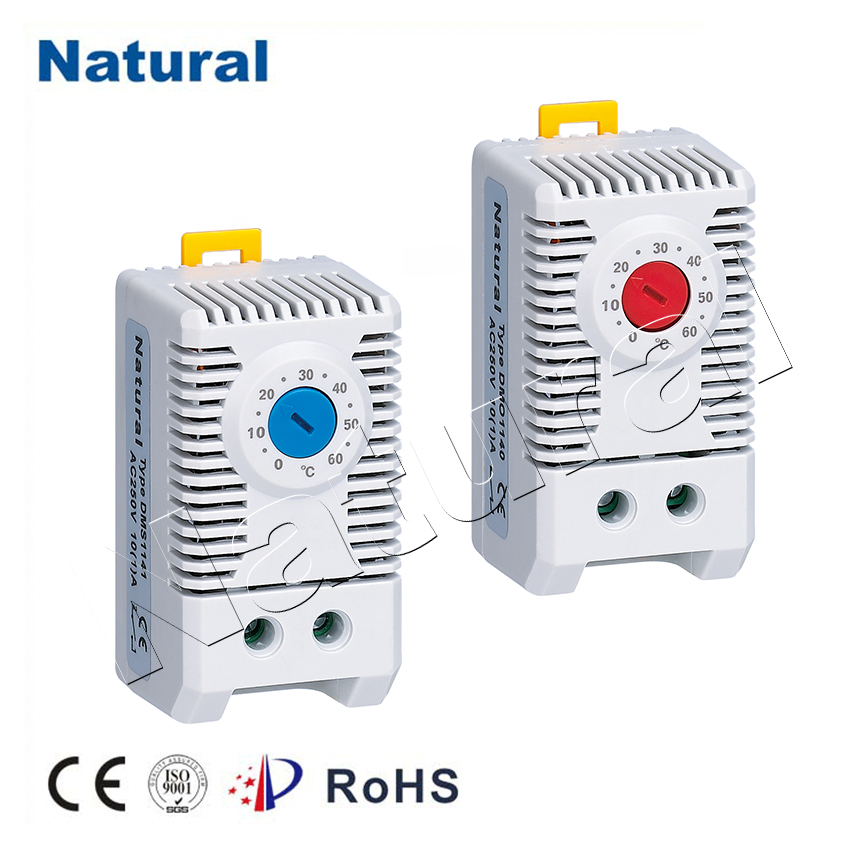
A 24V thermostat is a crucial component in many heating, ventilation, and air conditioning (HVAC) systems, especially in residential and commercial applications. By controlling temperature regulation, these thermostats ensure comfort while maintaining energy efficiency. This article delves into the functionality, applications, advantages, and installation of 24V thermostats, providing you with the necessary knowledge to better understand and manage your HVAC systems.
What is a 24V Thermostat?
A 24V thermostat operates on 24-volt electrical systems, a low-voltage configuration commonly used in HVAC systems. The “24V” refers to the voltage required for the thermostat to operate. These thermostats are designed to control heating, cooling, and ventilation systems by sending a signal to the system’s control mechanism to turn on or off. The low voltage makes them much safer to work with compared to higher voltage systems, and they are widely used in home heating systems, air conditioning units, and commercial HVAC systems. How Does a 24V Thermostat Work? At the core of the 24V thermostat is a temperature sensor that detects the ambient temperature of a room or building. When the temperature reaches the preset threshold, the thermostat sends a signal to the HVAC system to either activate the heating or cooling mode to maintain the desired temperature.