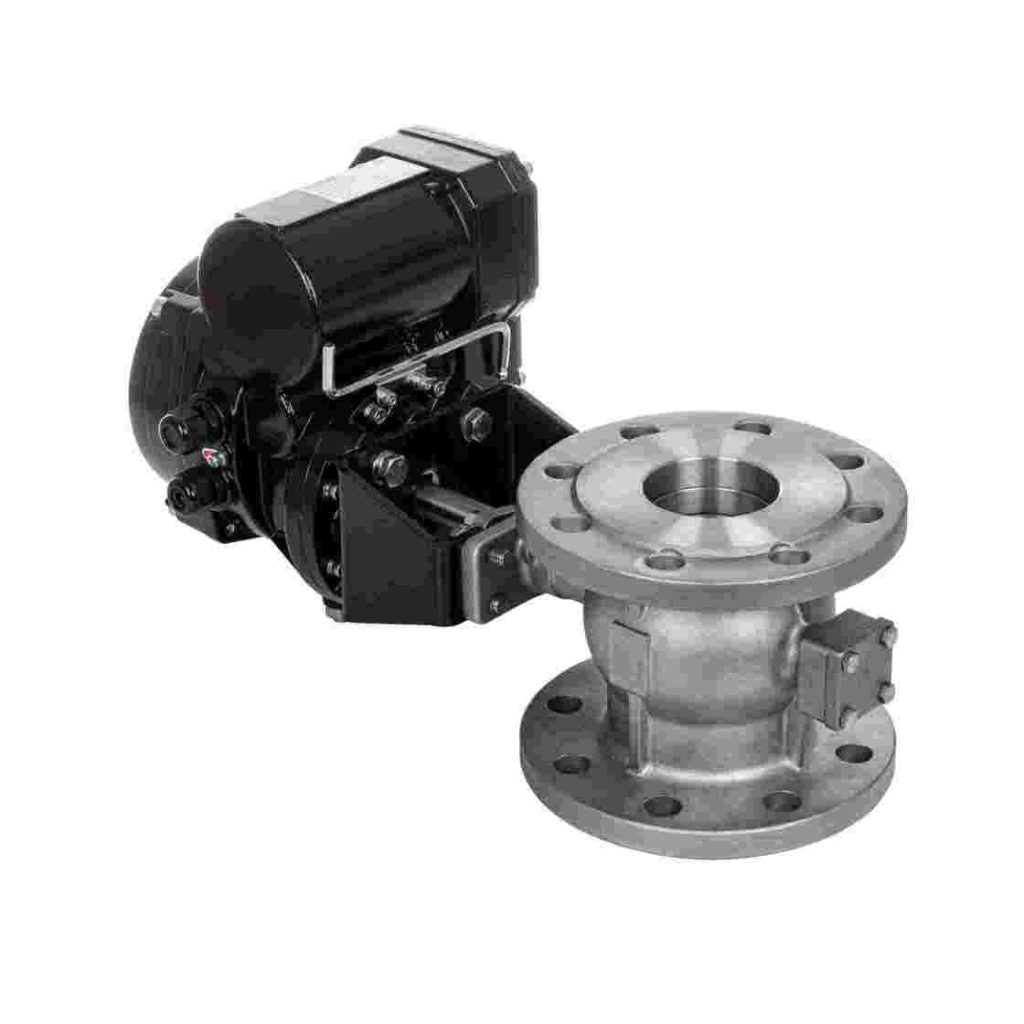
The role of an electric valve manufacturer in today’s industrial landscape is crucial, as industries are increasingly turning towards automation for better efficiency, safety, and precision in fluid control systems. Electric valves, powered by electric motors, are an essential part of various industries, ranging from oil and gas to water treatment and manufacturing. These valves provide the perfect blend of reliability, precision, and ease of use, offering significant advantages over traditional manual or pneumatic valves. This article explores the pivotal role played by electric valve manufacturers in shaping modern automation solutions.
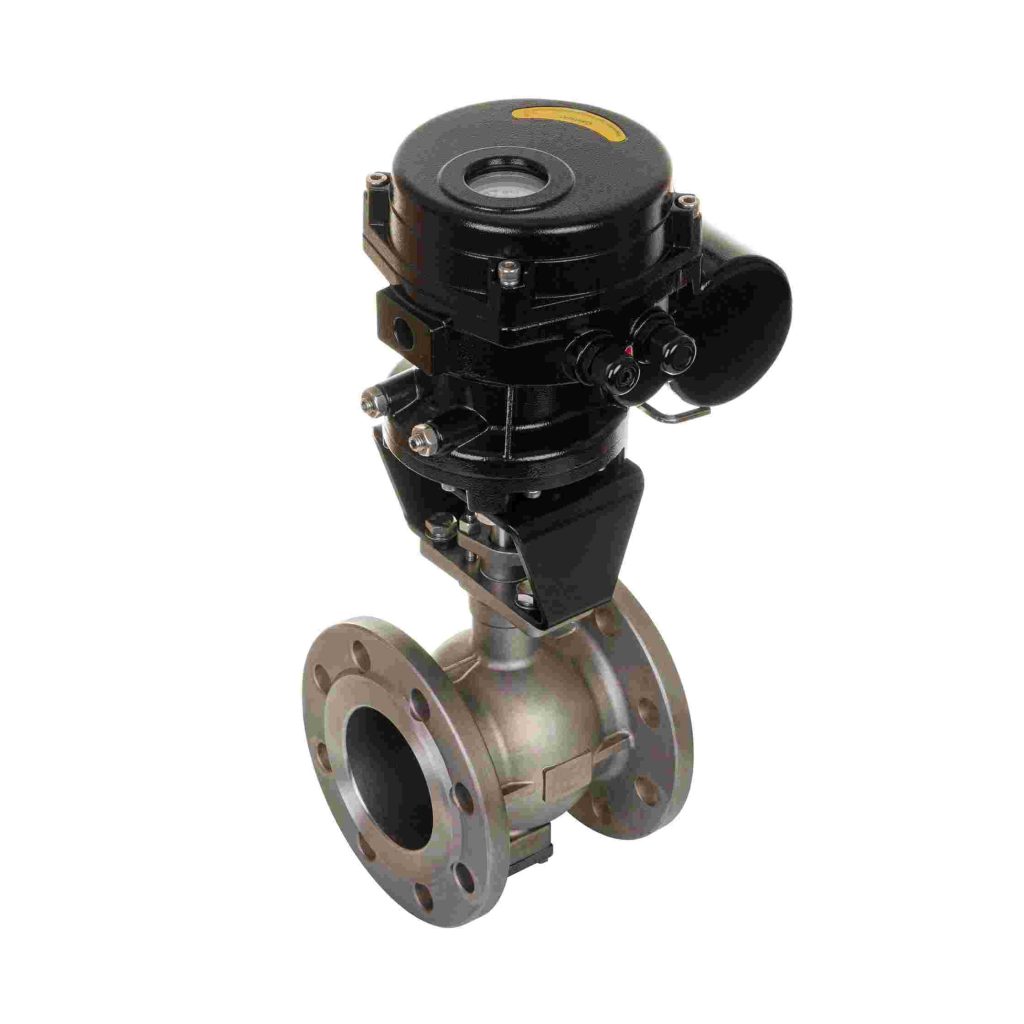
The Basics of Electric Valves
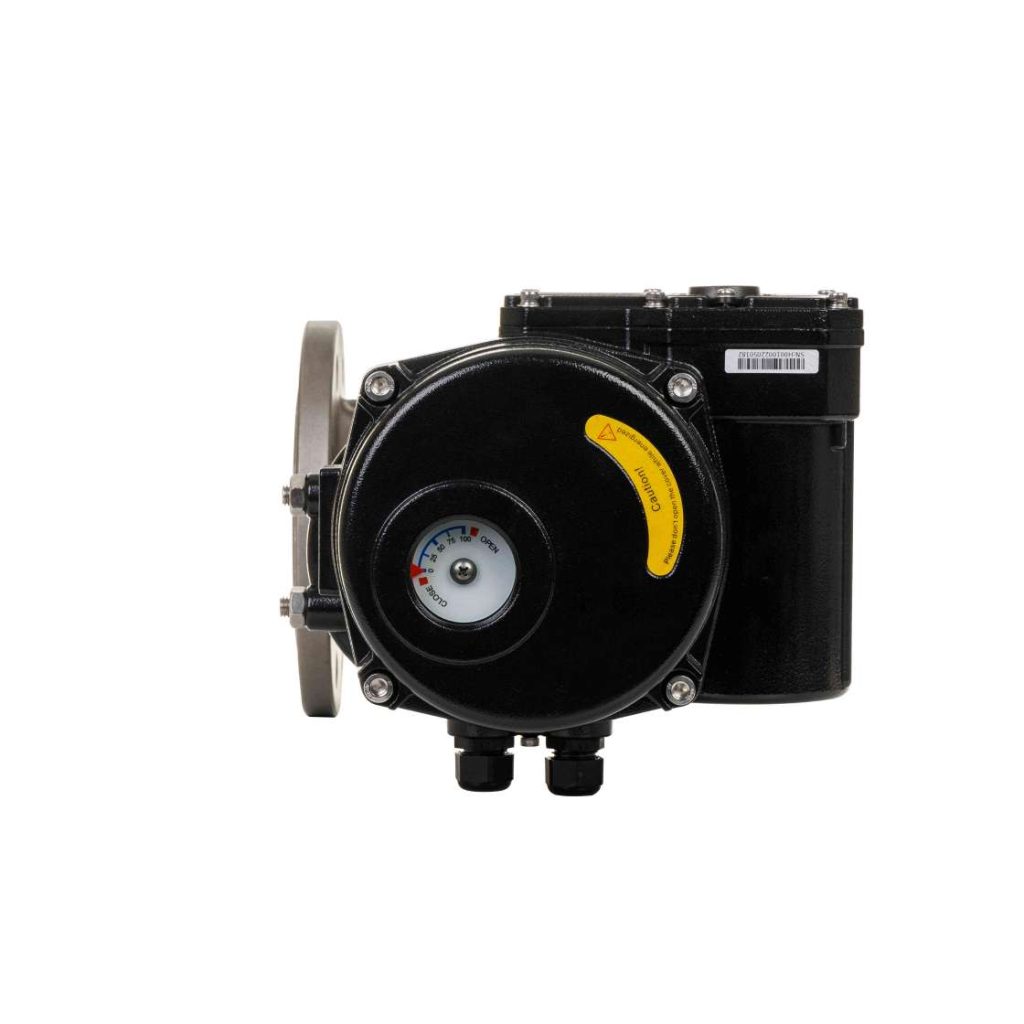
Electric valves are devices that use an electric motor to control the opening and closing of a valve. The main components of an electric valve include the valve body (such as a ball, gate, or globe valve) and the actuator that drives the valve’s movement. The actuator is powered by electricity, which provides precise control over fluid flow, allowing it to be automated. These valves are commonly used in applications where remote or automated control is required, eliminating the need for manual operation and improving system efficiency. Electric valves are typically controlled by a PLC (Programmable Logic Controller) or DCS (Distributed Control System), allowing seamless integration into industrial automation systems. With the ability to precisely control flow rates, electric valves are particularly useful in industries that require high levels of control and safety, such as chemicals, pharmaceuticals, and food processing.