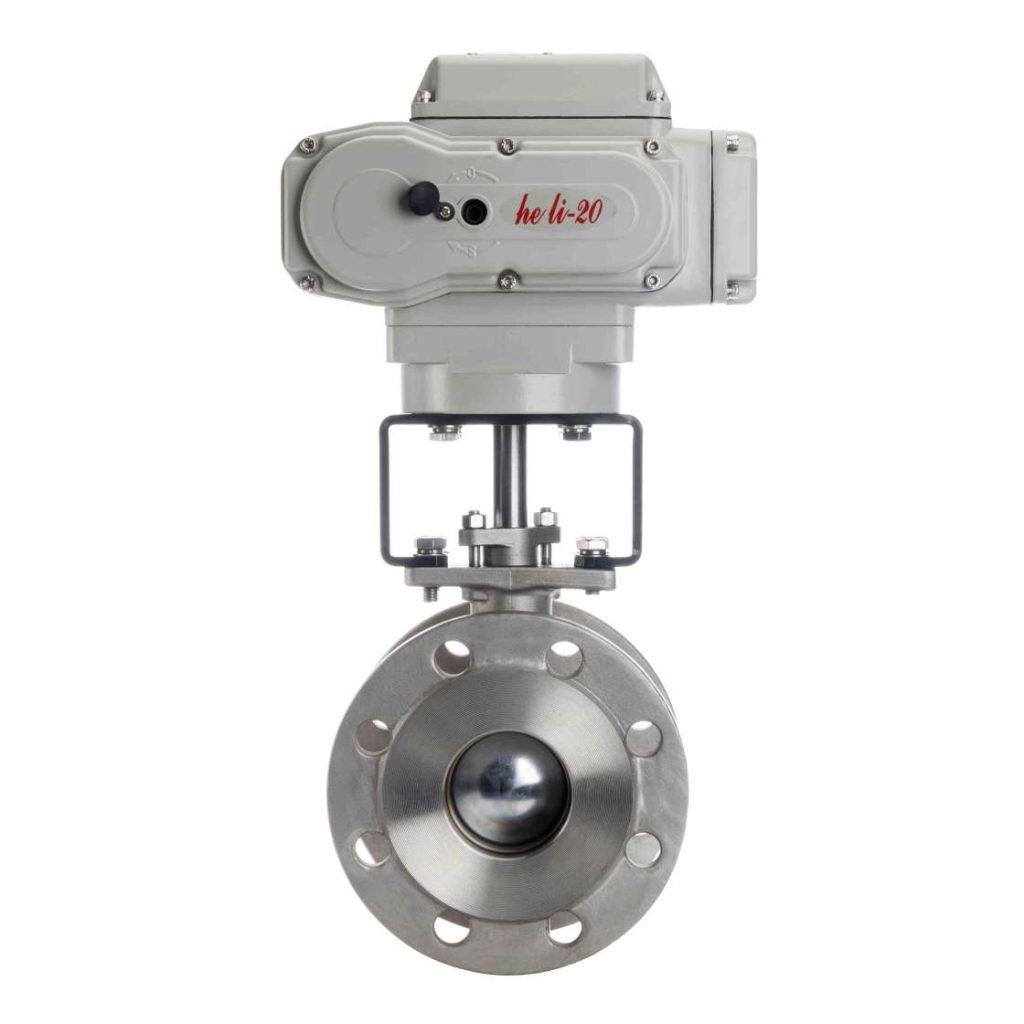
Electric V-ball valves are becoming increasingly popular in various industries due to their high performance and ability to offer precise flow control. These valves combine the advantages of the traditional V-ball valve with an electric actuator, creating a reliable and efficient solution for fluid regulation. In this article, we will explore the functionality, applications, advantages, and the growing demand for Electric V-ball valves in modern industrial systems.
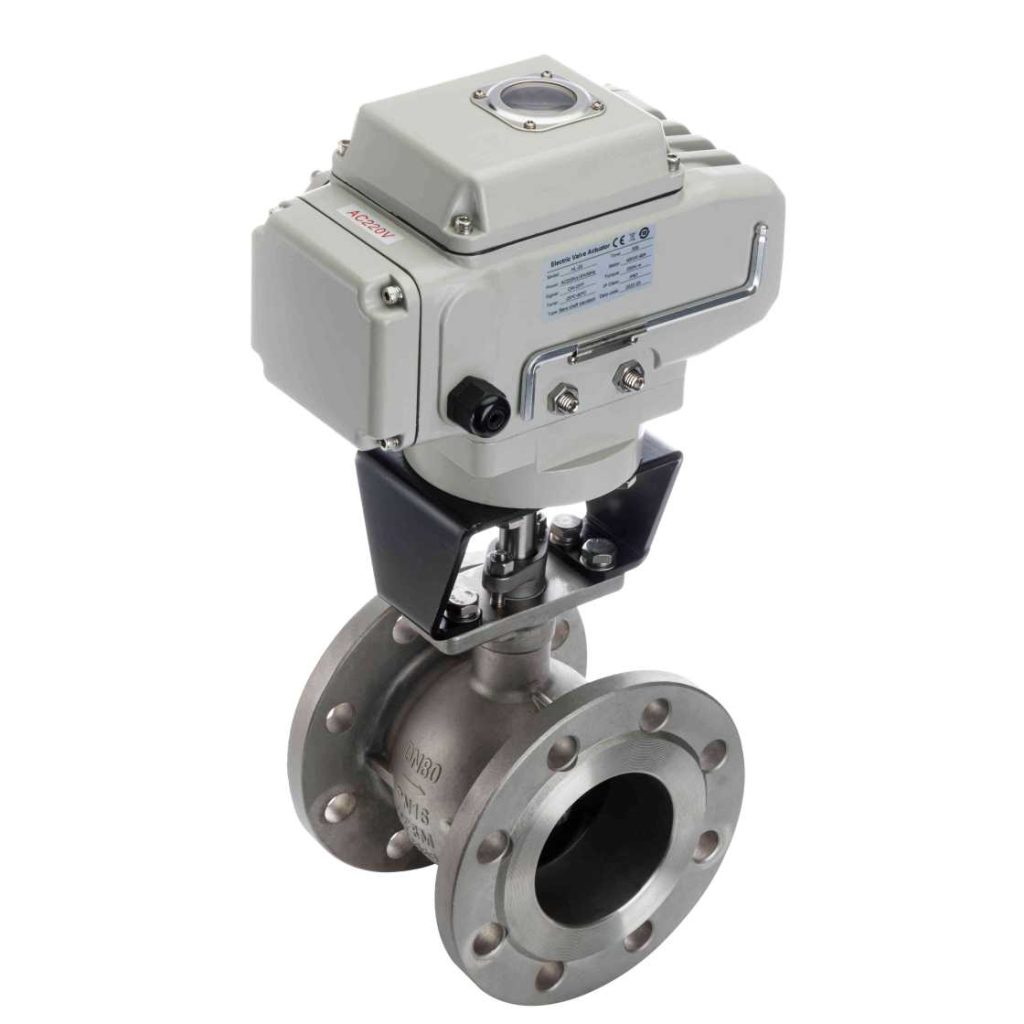
What is an Electric V-ball Valve?
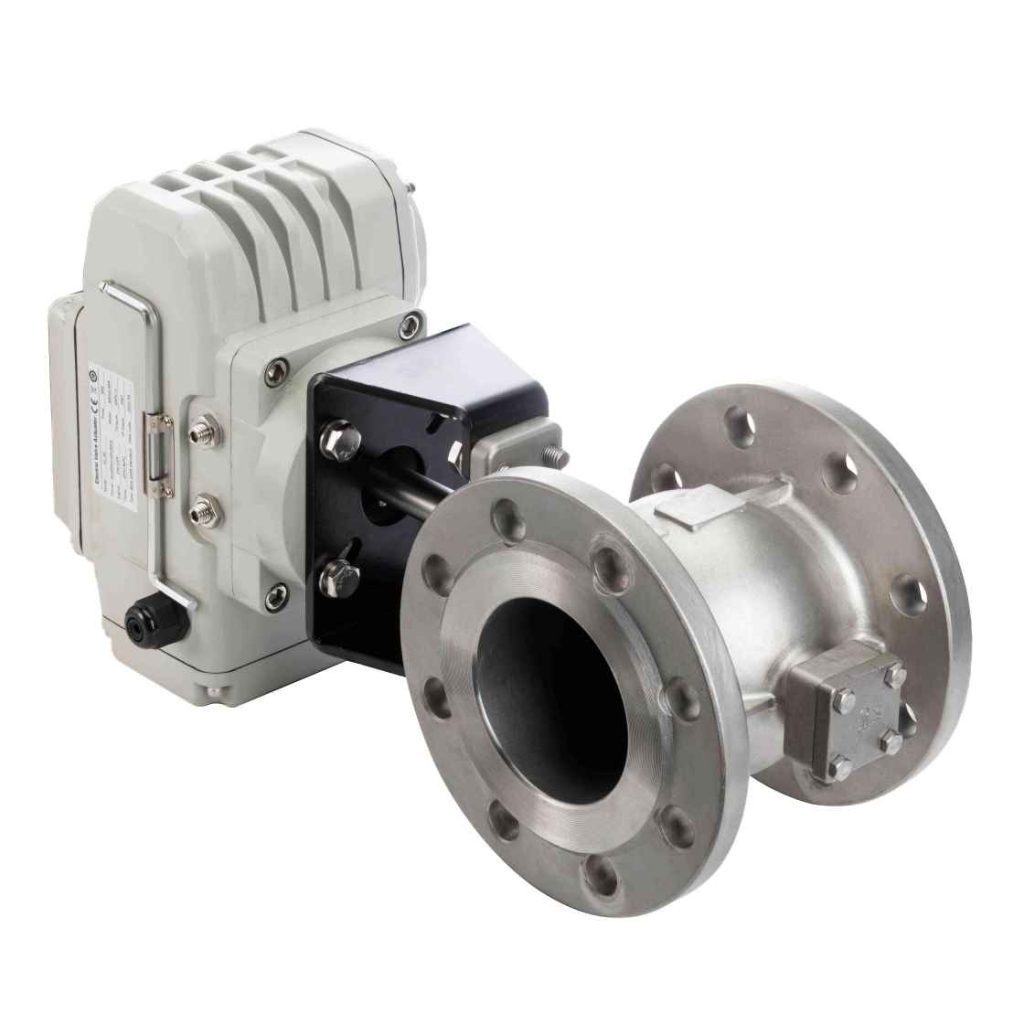
An Electric V-ball valve is a type of control valve designed to regulate fluid flow through a pipeline. It consists of a V-shaped ball with a notch or cut-out, which allows for smooth and precise regulation of the flow. The electric actuator, which is responsible for controlling the opening and closing of the valve, is typically powered by electric signals such as 4-20mA or 0-10V. The V-shaped ball valve’s unique design provides excellent control characteristics, especially for applications that require precise and continuous flow adjustments. The electric actuator allows for remote control and automation, making the valve ideal for use in industrial systems with complex control processes.