Electric two-seat regulating valves play a critical role in various industrial applications, from the oil and gas sector to water treatment facilities. These valves are primarily used for precise flow control and are indispensable in systems requiring high-performance regulation of fluids, gases, or steam. As industries demand higher levels of efficiency, reliability, and automation, the role of OEM (Original Equipment Manufacturer) suppliers specializing in electric two-seat regulating valves has grown significantly. This article explores the importance of these valves, their design, and the value OEM manufacturers bring to the table.
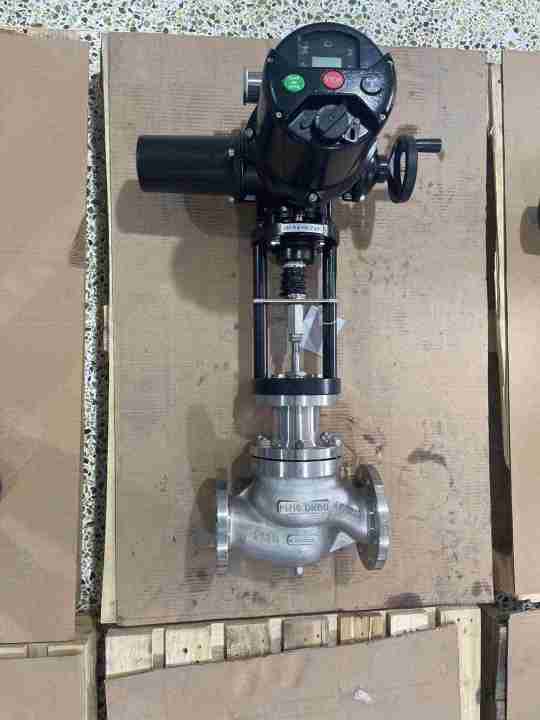
Understanding Electric Two-Seat Regulating Valves Electric two-seat regulating valves are designed to control the flow of fluids within a piping system by opening and closing based on signals from an external controller. What sets them apart from standard single-seat valves is their unique dual-seat design, which allows for higher flow capacities and enhanced accuracy. The electric actuator provides the force needed to control the valve’s position, enabling precise adjustments in response to changes in the system’s conditions. The two-seat configuration consists of two seating surfaces that are designed to balance the pressure more evenly, allowing for smoother and more efficient regulation. This makes the electric two-seat regulating valve ideal for handling fluids at high pressure, temperature, or both.