Electric two-seat regulating valves are critical components in modern industrial systems that require precise control over fluid flow. These valves are widely used across a variety of industries, such as oil and gas, chemicals, power plants, and water treatment, due to their ability to ensure accurate and reliable flow regulation. For industries that rely on these vital components, partnering with a reputable OEM (Original Equipment Manufacturer) can make all the difference in achieving top-quality performance. In this article, we will explore what an electric two-seat regulating valve is, why OEM manufacturers play a pivotal role, and how these valves contribute to various industrial applications.
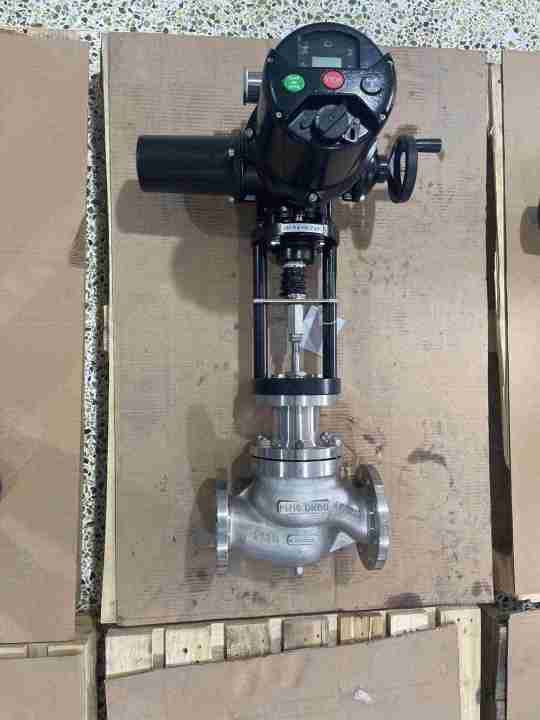
Understanding Electric Two-Seat Regulating Valves An electric two-seat regulating valve, as the name suggests, is a valve with two seats that controls the flow of fluids through a pipeline. This valve design allows for finer adjustments in flow, making it ideal for systems that require precise regulation of pressure, temperature, or flow rate. Unlike manual valves, electric two-seat regulating valves are operated by an electric actuator, which allows for automation and remote control. The basic function of a two-seat valve is to modulate flow by adjusting the position of the valve plug in relation to the valve seat. When the valve is closed, the plug seals tightly against the seat to stop the flow. When the valve is open, the plug moves away from the seat, allowing fluid to pass through. The two-seat design enhances the valve’s control capabilities by offering two seating surfaces, which helps to distribute pressure more evenly and reduces the risk of leaks.