The Electric Two-Seat Regulating Valve is an essential component in many industries where precise flow control is critical. Widely used in sectors such as chemical processing, oil and gas, power generation, and water treatment, these valves help ensure optimal operation of fluid systems. The combination of the two-seat design and electric actuation allows for high efficiency, reliability, and adaptability in controlling fluid parameters such as flow rate, pressure, and temperature.
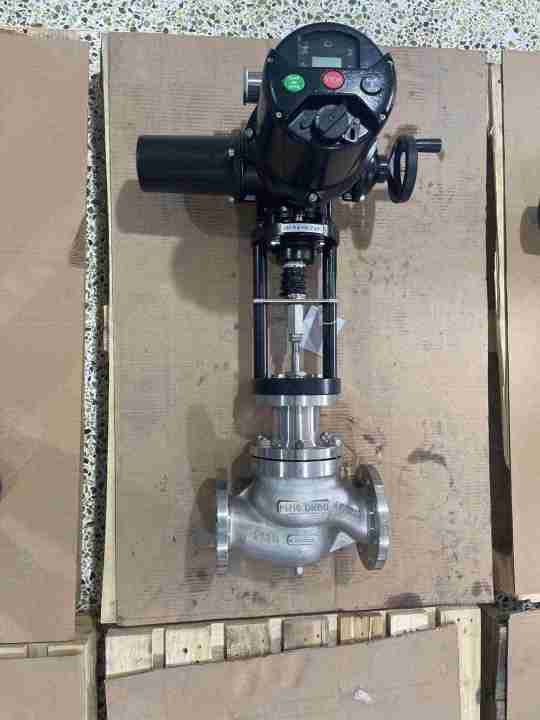
What is an Electric Two-Seat Regulating Valve? An electric two-seat regulating valve is a type of control valve that features two valve seats and is driven by an electric actuator. Unlike standard valves with a single seat, the two-seat design provides a larger flow coefficient, allowing the valve to handle higher flow rates with greater precision. The electric actuator is controlled by an external signal—usually 4-20mA or 0-10V—enabling automated and accurate adjustments of the valve’s opening to regulate the flow of fluids. Design and Functionality The valve body of the electric two-seat regulating valve typically includes two symmetrical valve plugs or seats, each responsible for controlling the flow of fluid. When the valve is actuated, the two seats move either closer together or further apart, regulating the flow through the valve. This dual-seat arrangement is particularly useful for applications requiring high flow capacity and stable performance across a wide range of operating conditions.